An eye to the future: making health and human security central to Pacific security


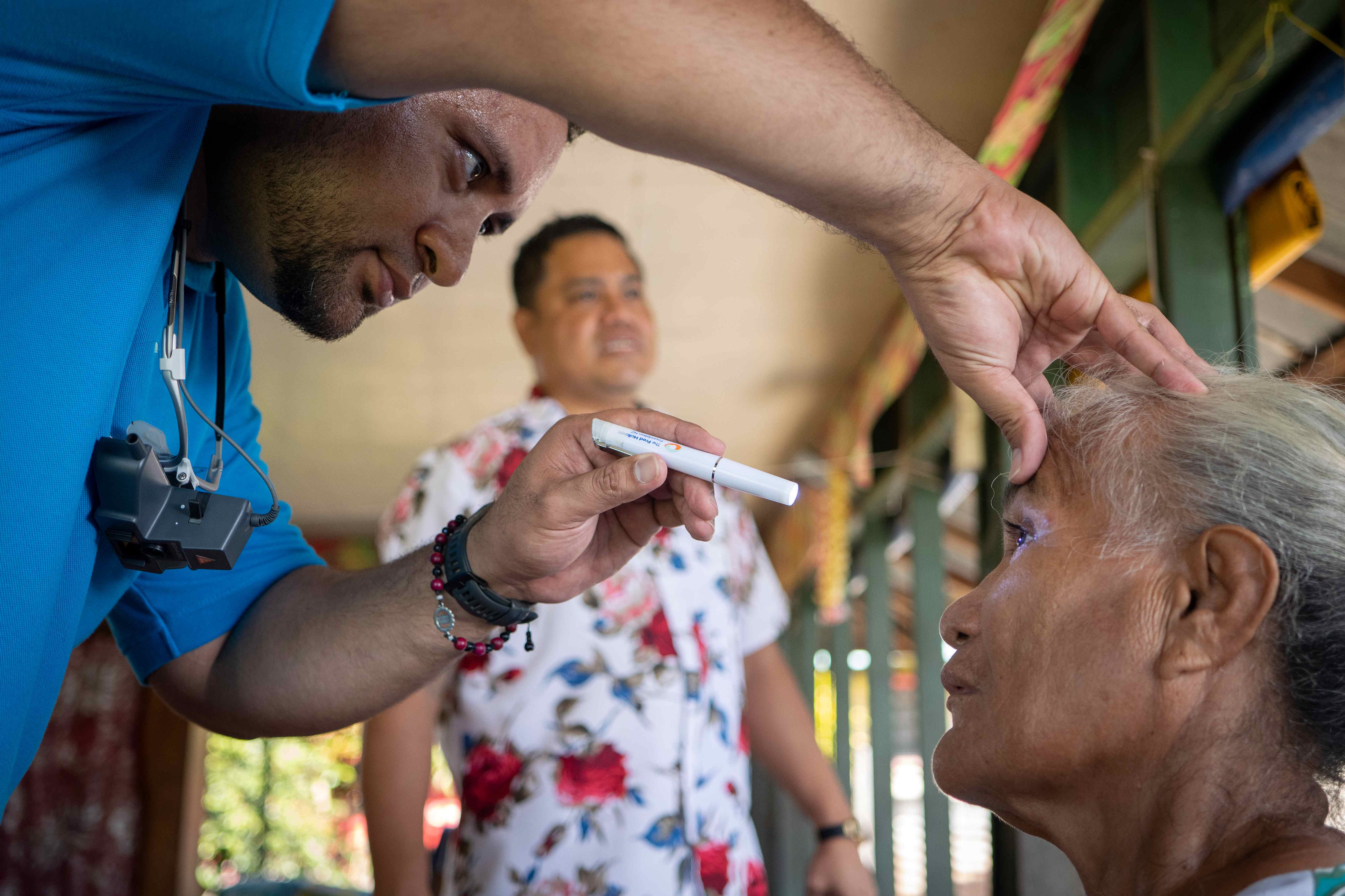
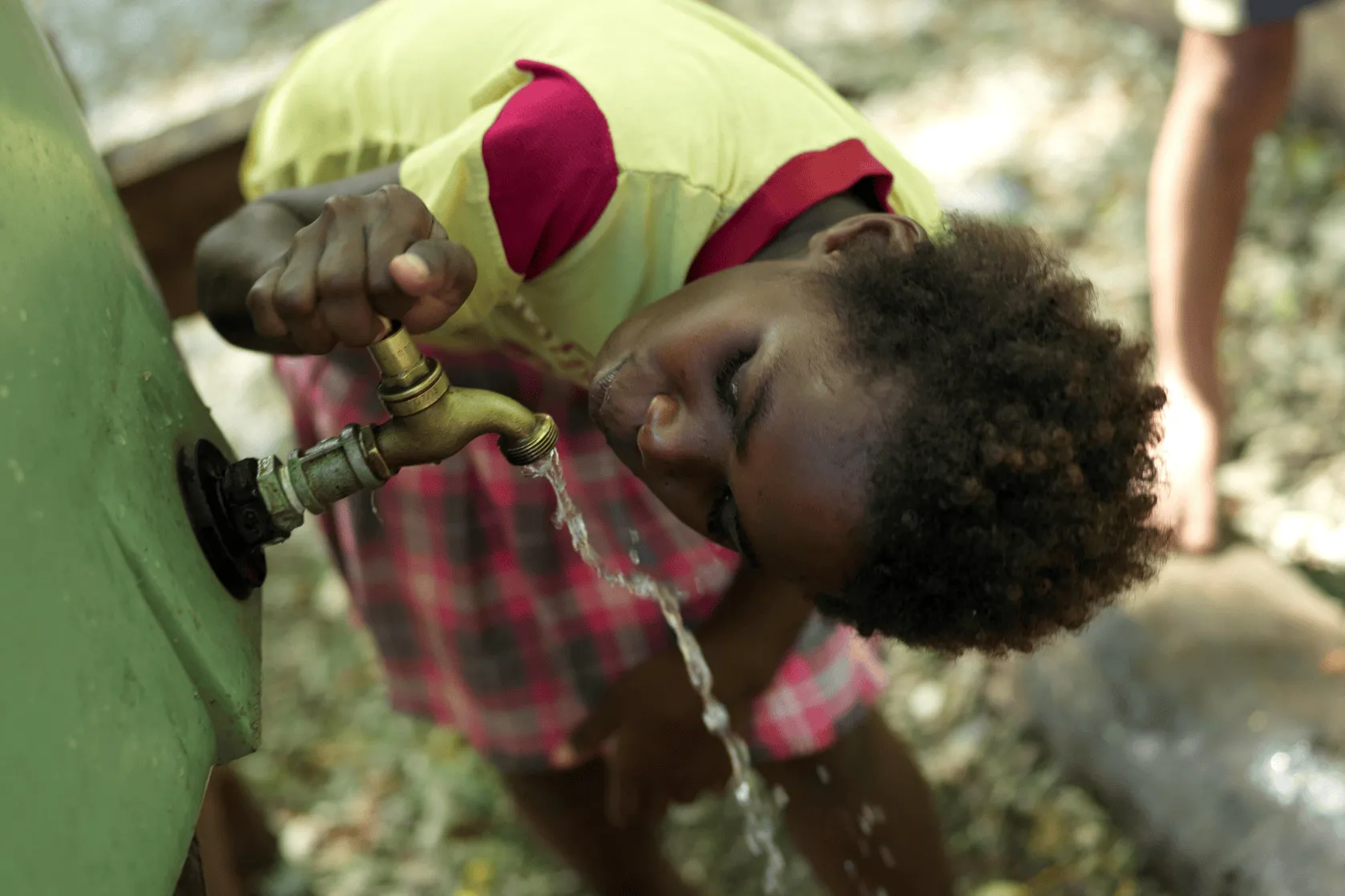
Strengthening health systems are essential to building security, resilience and livelihoods across the Pacific. Photo: The Fred Hollows Foundation NZ
Pacific scholars have noted that there can be no security in the Pacific without human security, urging governments of Pacific Island countries to prioritise human security and development over geopolitical agendas and alliances.
Yet the implementation of strategies, policies and programs that support health and human security as part of national and regional security is hard to identify.
This is partly because health and human security efforts are not always described within traditional security discourses and are therefore not clearly reflected in national security initiatives.
Ministries and organisations working on health and human security are often not part of traditional national security dialogues or planning. Conversely, traditional security sector actors don’t necessarily see themselves as having roles in health and human security programs, and so the disconnect prevails.
One way to build awareness of the connection may be to highlight examples of how various human security threats intersect with traditional notions of security at community and national levels. This can help create more opportunities for partnerships between stakeholders working on health and human security issues and those leading national and regional security responses.
The Boe Declaration challenges us all to emphasise human security and empower local communities to take ownership over these non-traditional aspects of national security.
The most obvious is the need to tackle the climate crisis as the central issue in building security across the Blue Pacific. The impacts of climate change on so many aspects of human security, including food, water and health, are well documented. This is especially stark when we consider climate sensitive health areas such as eye health, where unclean water, airborne particles and extreme weather events directly affect the prevalence of disease and ability to maintain essential services.
Reshaping security responses
We are beginning to see examples where approaches to health and human security issues inform how we view and deploy mechanisms of national security.
The COVID-19 pandemic was a catalyst for cross-agency partnerships and highlighted the potential key roles of traditional security sector actors as partner agencies in responding to complex health and security issues.
One example of how COVID-19 informed national security architecture is Fiji’s updated National Disaster Management Act, known now as the National Disaster Risk Management Act. The Act encompasses all hazards that have the potential to cause disruption, insecurity and disaster – not solely disasters resulting from extreme weather events – and prioritises risk reduction, preparedness, response and recovery. It specifically seeks to empower local communities to build multi-agency and community informed early warning surveillance systems that bring together intelligence that may indicate an evolving human security threat.
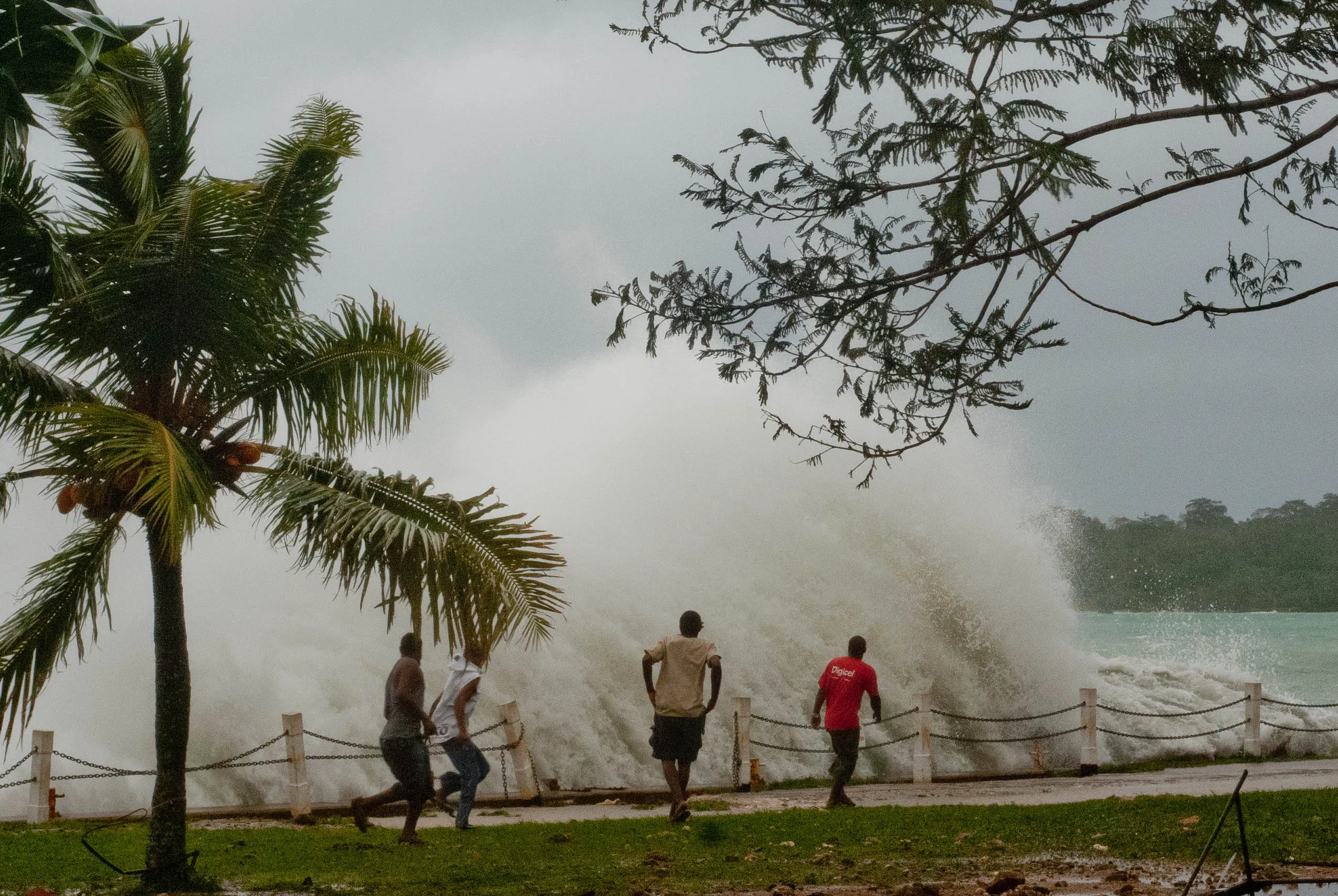
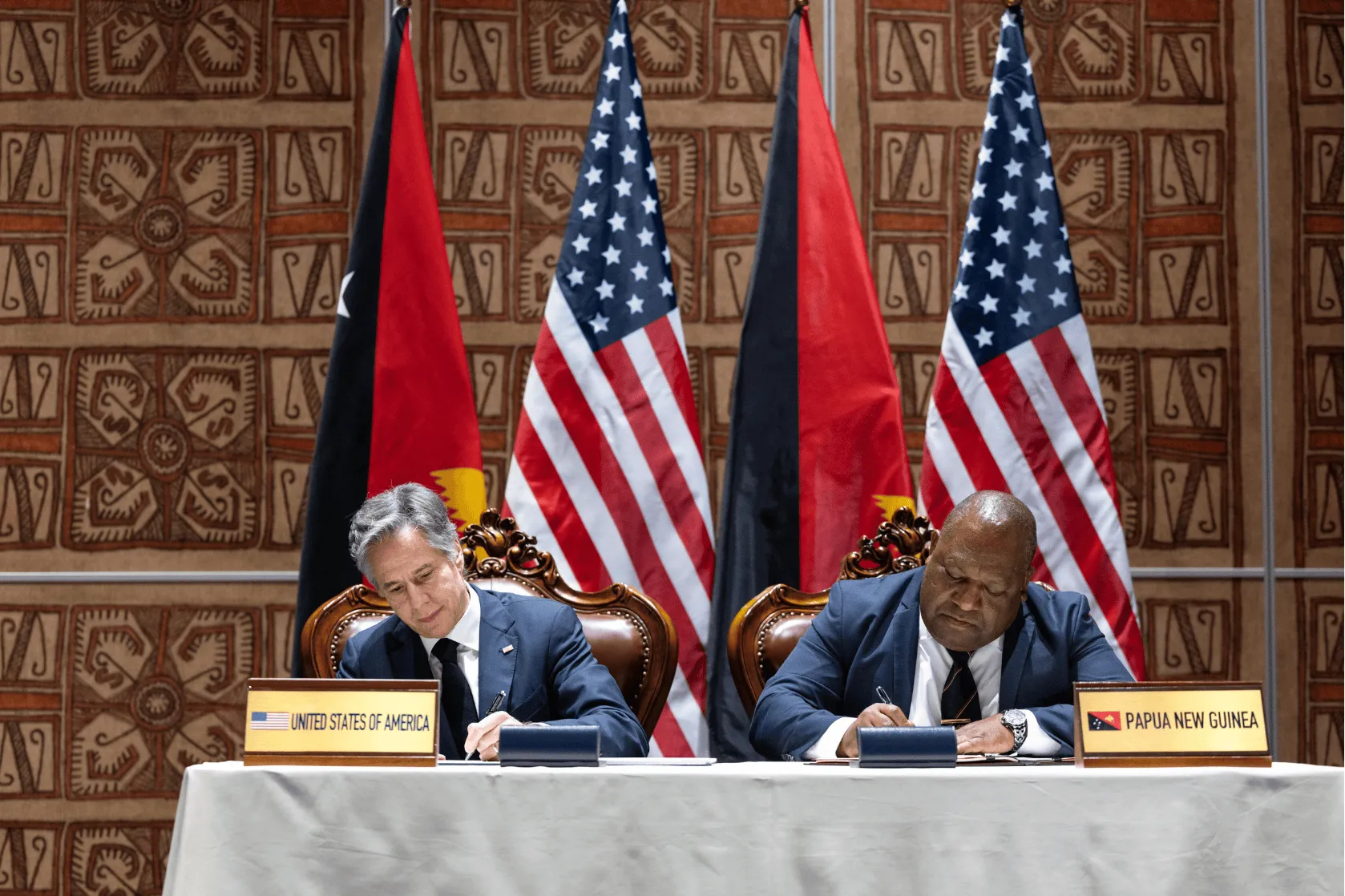
Protecting communities, health and livelihoods must be as much a priority as traditional national defense for the region. Photo: Graham Crumb/Wikimedia Commons
Emerging health threats as security risks
The emerging health and security implications of the increasing availability and use of methamphetamine across the Pacific is an opportunity to learn from the global HIV epidemic. The response has seen hard-fought efforts to bring health, community and law enforcement sectors together – particularly in regard to HIV prevention and access to treatment for people who use drugs and people who sell sex. These behaviours are often criminalised, leading to harmful interactions between people at risk of HIV and the police.
Without partnerships between health and security, the HIV epidemic continues to expand among at-risk groups.
In response to a growing methamphetamine-related HIV outbreak in Fiji, the National HIV Outbreak and Cluster Response Taskforce – chaired by the Ministry of Health with membership extending into law enforcement – is an example of the critical work to be done at the health and security interface.
The flood of methamphetamine into Pacific Island countries facilitated by transnational organised crime and local criminal networks is clearly an issue of national security, and so are the related HIV transmission outbreaks, which impact the health and development of the population.
Within this human and health security landscape it is also important to recognise eye health as a security issue. Vision impairment and blindness directly influence livelihoods, productivity and safety. When people lose their vision, the consequences extend beyond individual health. Household income declines, caregiving demands often shouldered by women increase, and communities find it harder to participate in local governance and disaster preparedness.
Protecting sight is not only a health intervention but also a mechanism for strengthening economic participation and community resilience. According to the International Agency for the Prevention of Blindness The Value of Vision report, investing US$3.27 million in eye health in the Pacific between 2026 and 2030 would deliver US$69 million in economic benefits through higher employment, improved occupational productivity, increased caregiver productivity and improved learning outcomes for children.
Climate change deepens the urgency. Although climate impacts are acknowledged as a great security threat in the Pacific, their direct impacts on human security are still not consistently recognised in national security planning.
Eye health is a clear example. Demand for eye care often rises after cyclones when injuries and infections increase, yet these pressures rarely feature in security assessments or preparedness plans. Emerging models of resilient and environmentally sustainable eye care facilities in the Pacific show how bridging health and security planning can deliver the kind of whole-of-society protection envisioned in the Boe Declaration.
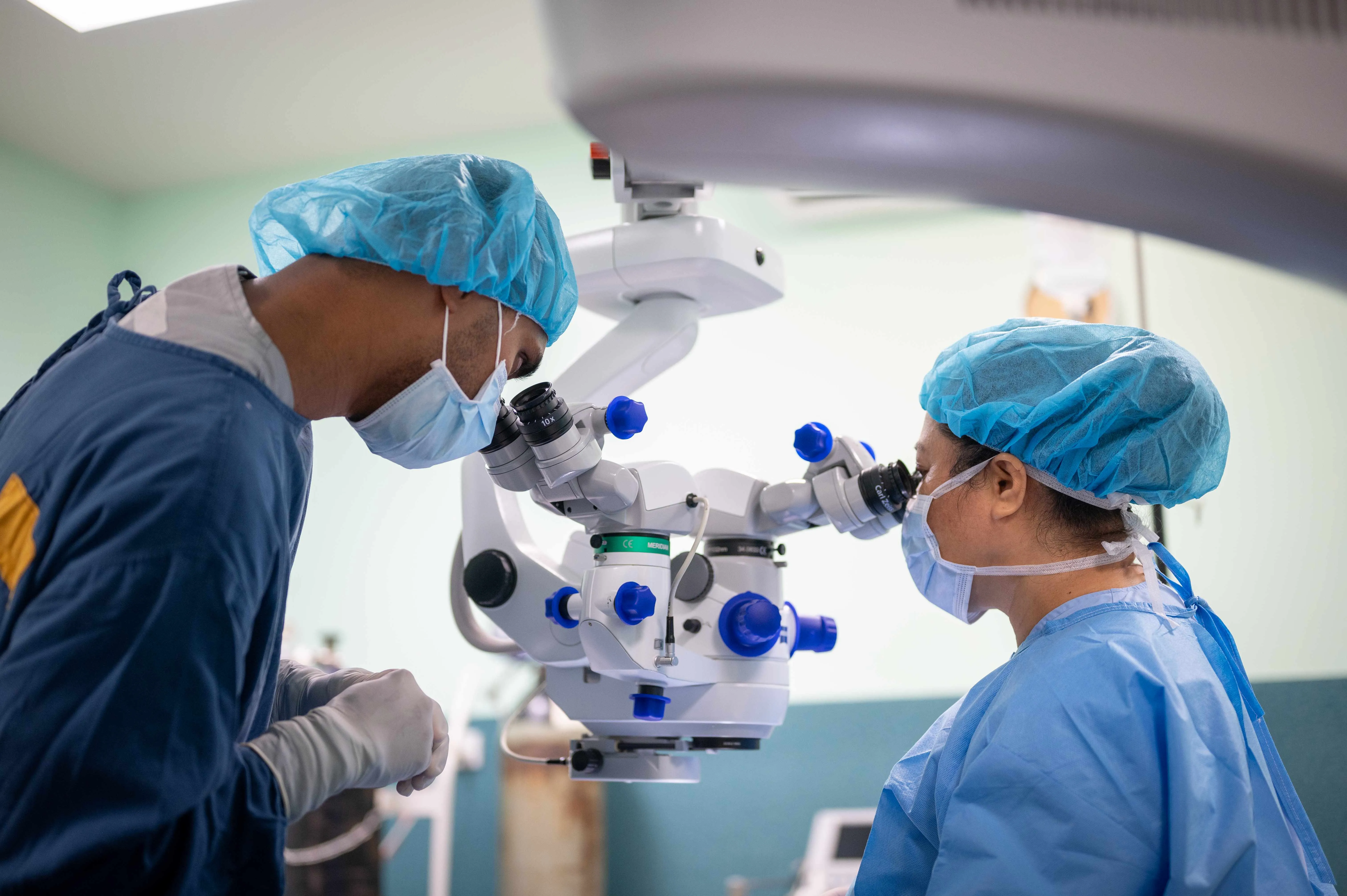
Investing in eye health would deliver millions in economic benefits for the region. Photo: The Fred Hollows Foundation NZ
Breaking down security silos
The Boe Declaration and its foregrounding of human security as national security provides the impetus to grow cross-sector, whole-of-government and whole-of-community approaches to critical issues of human security.
At regional levels we are seeing efforts to bring health and security sectors together through the work of SPREP and The Pacific Community (SPC) to table some of these issues as both human and national security concerns at the Pacific Islands Forum level.
Sometimes it is about expanding dialogue, for example the tightly held UN Quadripartite on One Health (WHO, FAO, WHOA and UNEP) is supporting partner agencies in the Pacific to align workplans on One Health – which is essentially climate, food, water and biological threats, but with only limited engagement with key security sectors.
Defining roles and responsibilities across sectors, including law enforcement, is vital to tackling human security. This leads to productive cross-sector partnerships, especially when backed up with training.
Ultimately, as we continue to build whole-of-society approaches to human security within a national security framework, it is the whole-of-society that benefits.
Dr Audrey Aumua is the Chief Executive Officer at The Fred Hollows Foundation in New Zealand.
Michael Zemke is a Policy, Partnership and Strategy Support Officer at The Fred Hollows Foundation New Zealand.
Nick Thomson is a public health and human rights trained epidemiologist who has spent the last 20 years living and working across the Indo-Pacific.
Views expressed via the Pacific Wayfinder blog are not necessarily those of the Pacific Security College. Read our publishing policy.




.jpg)