Climate security in a warming Pacific: framing the threat


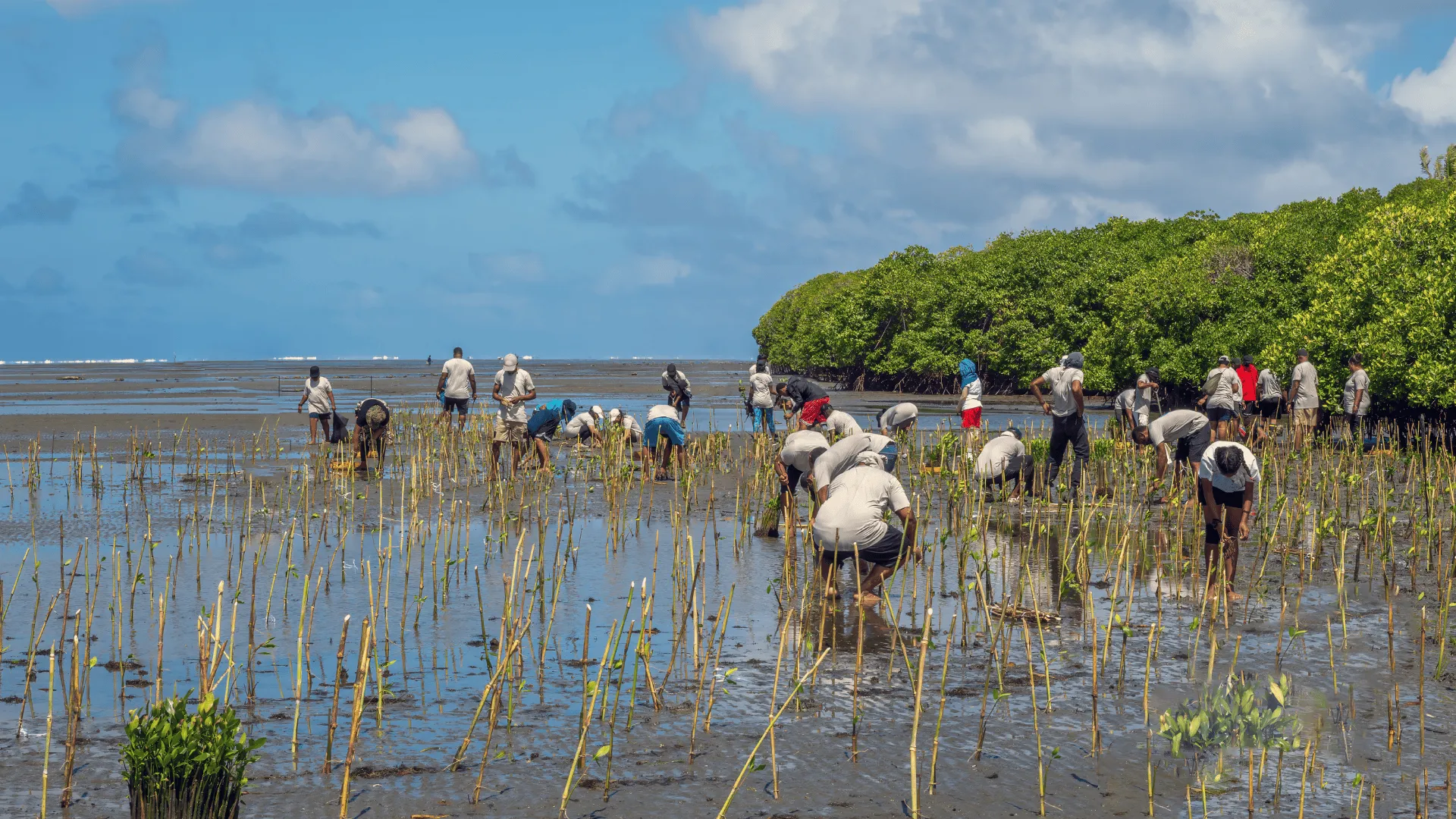
Climate change is reshaping risk environments across livelihoods, ecosystems, social structures and systems of governance. Photo: stock.adobe.com
A decade after the Paris Agreement, global emissions continue to rise and the world is set to overshoot 1.5°C.
The Intergovernmental Panel on Climate Change is clear. Even with rapid mitigation, ocean warming, intensifying cyclones and sea level rise will continue for decades, locking in profound ecological and social consequences for the Pacific.
Pacific leaders have long identified climate change as the region’s single greatest threat to the security, livelihoods and wellbeing of their peoples.
Recent climate security risk assessments across the Pacific show that climate change rarely acts as a direct cause of insecurity. Instead, it reshapes risk environments by interacting with livelihoods, land and ocean systems, social cohesion, mobility, and governance, amplifying vulnerabilities across interconnected dimensions of security.
In Papua New Guinea’s Highlands, climate-linked crop failures and environmental shocks are aggravating disputes over land and natural resources, particularly where service delivery is weak and social fragmentation is high.
In Tuvalu, salinisation of underground freshwater supplies, driven by sea level rise, is undermining water and food security, with implications for cultural continuity, identity and long-term habitability.
In the Republic of the Marshall Islands, declining nearshore fisheries compromise food security and livelihoods, increase reliance on imported food, strain customary governance and social cohesion, and reduce coping capacity during shocks, heightening risks of insecurity in coastal and atoll communities.
These challenges expose the limits of narrow security framings and point toward the need for a comprehensive understanding of security.
Climate change as a security issue?
Framing climate change as a security issue has increasingly been used to elevate political attention to its risk. By 2007, climate change was being debated in the UN Security Council. What started as an attempt to expand the boundaries of security to include environmental risks has helped elevate attention to the existential risks posed by climate change.
Linking climate change to ‘security’ remains contested for good reason. We must not underestimate the power of the word ‘security’. Security framing elevates issues, shapes what is seen and ignored, dictates whose fears matter, whose futures are negotiable, and which responses are considered appropriate.
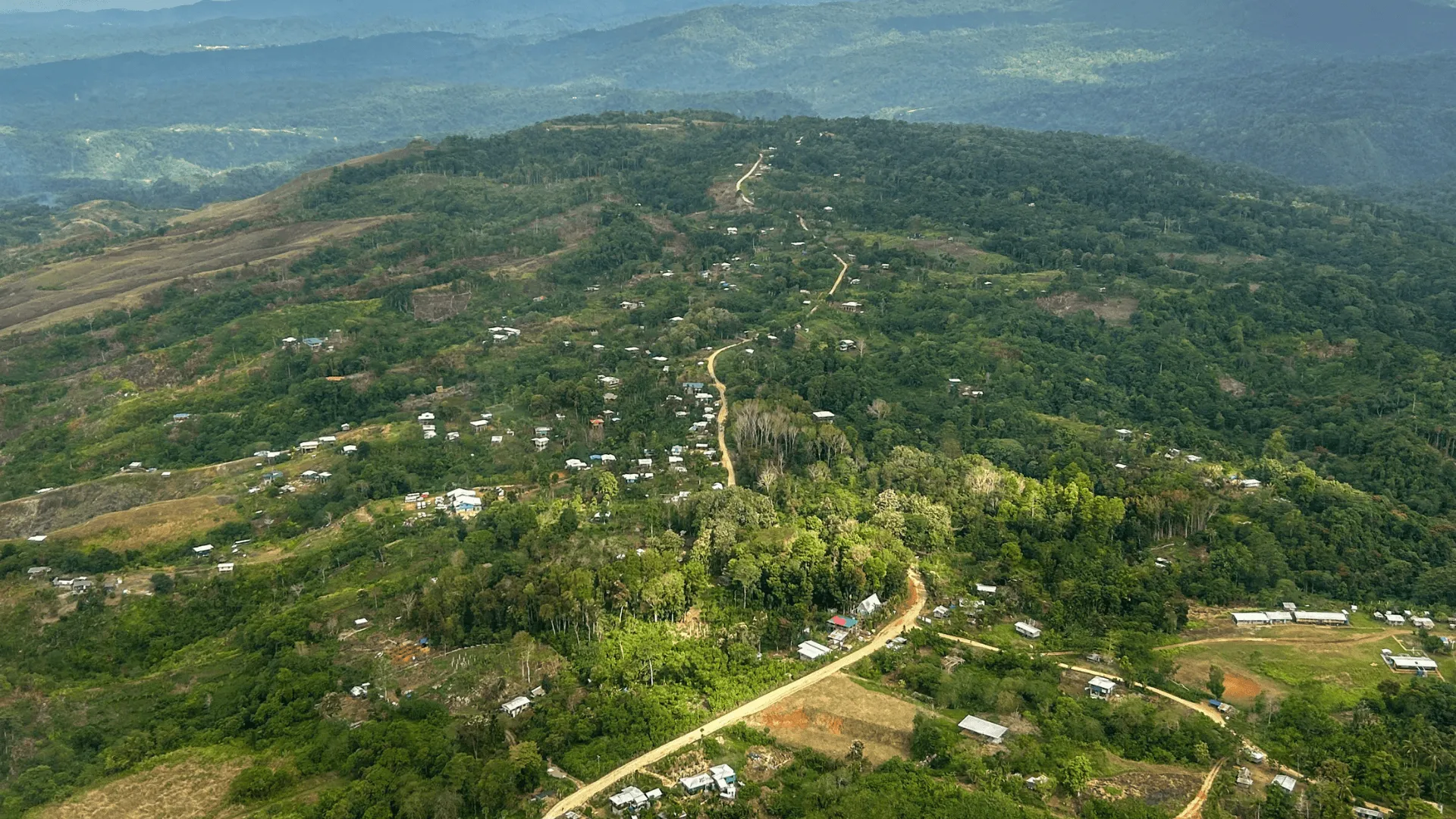
Climate-related challenges across the Pacific highlight the importance of a more comprehensive view of security. Photo: Pacific Security College
These tensions are sharpened by a stark imbalance. Global defence spending surged to US$2.7 trillion in 2024 (the largest increase since 1988) while climate finance continues to fall short of stated commitments. Could even a fraction of defence spending, applied to climate action and resilience, be the most powerful tool we have for communities most impacted by climate change?
Either way, given the scale and pace of the climate crisis, some degree of securitisation may be necessary to overcome political inertia, provided it broadens rather than constrains what security is understood to protect.
The risks of a narrow security lens
There is a mismatch between how climate related insecurity manifests and how security risks are conventionally understood and managed through traditional security lenses. Many of the most acute risks, including slow onset environmental degradation, loss of livelihoods, climate-induced displacement, erosion of social cohesion, and governance stress, fall outside the traditional remit of security institutions.
When climate security is framed primarily around the protection of the state, it tends to prioritise instability, migration and geopolitical turbulence, while drawing attention away from the structural drivers of planetary heating, including high-consumption economic models, corporate power and militarisation itself.
An example of this is NATO’s 2022 Strategic Concept, which describes climate change as “a defining challenge of our time” and a “crisis and threat multiplier” capable of exacerbating conflict, fragility and geopolitical competition. It includes commitments to decarbonise military operations but remains silent on the broader political economic drivers of climate change.
A primary concern in the Pacific is that climate security viewed principally through traditional security lenses will sideline those most affected. Such approaches may mask the root causes of insecurity within Small Island Developing States (SIDS). And in doing so undermine more effective, context responsive pathways to climate resilience, peace and security. Or worse, recasting affected communities themselves as sources of risk.
Towards a broader understanding of security in the Pacific
The Pacific’s own Boe Declaration Action Plan (2019) illustrates a deliberate shift toward a broader understanding of security, explicitly recognising the multiple domains through which climate change threatens and interacts with Pacific societies.
Strategic Focus Area 1 positions climate change as a standalone regional security priority and adopts a broad set of referent objects, spanning state security (sovereignty and maritime zones), human and community security, environmental concerns, and cultural and ontological security grounded in relationships between people, land and ocean.
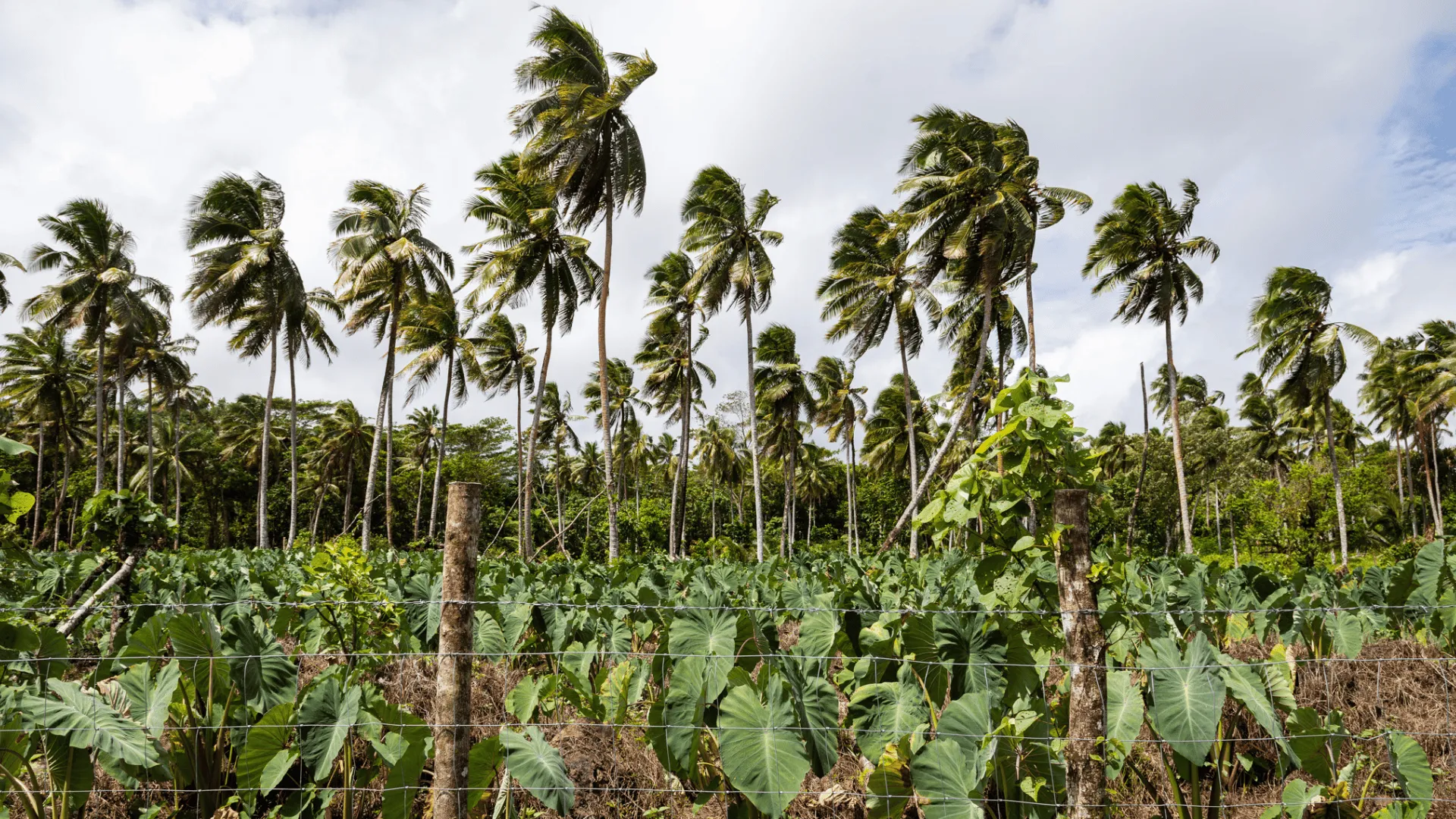
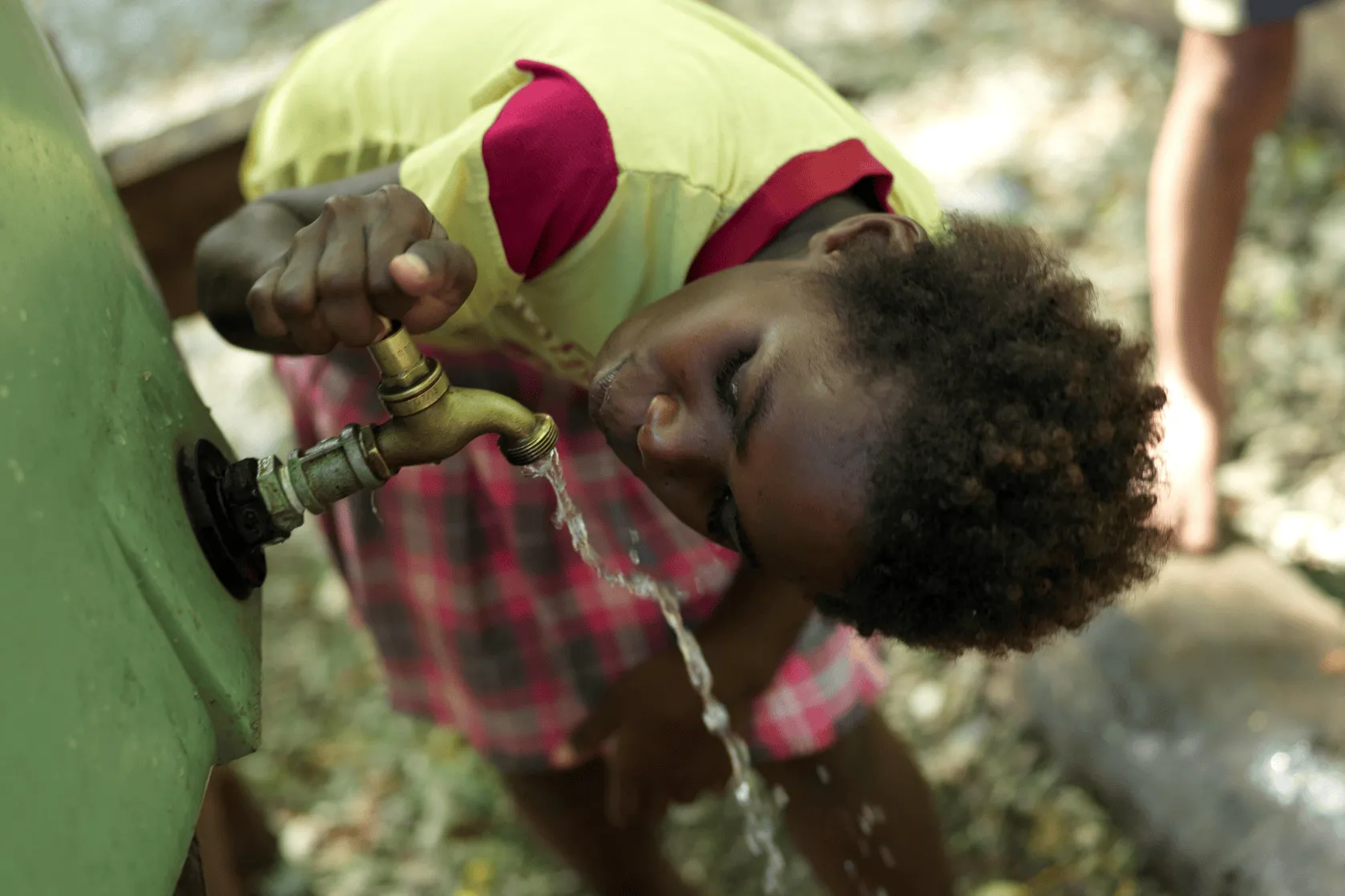
Climate-related insecurity across the region is increasingly felt through pressures on land, ocean, water, livelihoods and social cohesion. Photo: Pacific Security College
Climate security also features indirectly in Strategic Focus Areas 2 and 3, particularly through commitments to livelihoods, wellbeing and disaster response. Strategic Focus Area 3, through environmental security, addresses pollution, biodiversity loss, IUU fishing and illegal resource extraction as threats to stability.
Ontological security (present descriptively throughout but not explicitly stated) frames security around the continuity of relationships linking people, land, ocean, ancestors and authority. Insecurity arises therefore from disruptions to the social, cultural and ecological relationships through which identity, legitimacy and order are sustained over time. Scholars of Pacific thought describe this as a social world organised through connection rather than separation.
Ecological, and especially ontological, security struggle for traction precisely because they encounter the limits of state- based understanding of security. Accepting ecological and ontological security as key to climate security challenges a state-led, defence-focused view of climate security.
The Pacific’s broad understanding of security offers a model of global best practice for identifying and addressing climate security priorities in inclusive ways. While defence, policing and foreign affairs institutions remain important, climate-related insecurity in the region often emerges through land, ocean, water, livelihoods and social cohesion.
Effective responses therefore benefit from a whole-of-society approach, with stronger coordination across communities, customary authorities, climate and environmental agencies, local government, women’s organisations, faith leaders, civil society and the development community.
Where to next?
Taking a more comprehensive perspective to climate security also raises questions about tackling the structural forces of inequality and demanding justice (no small task!). The International Court of Justice Advisory Opinion amplifies what the Pacific has said for decades, declaring that climate harm engages duties under human rights law, customary law, the law of the sea and environmental law, and that failing to act with due diligence is not just negligent but wrongful.
Understanding the peace and security implications will help the region continue to strive for a proportionate response and provide a way to contextualise how climate intersects with the many structural inequalities facing SIDS in the region. Indeed, as UN Secretary General Antonio Guterres stated recently, peace with justice not only means peace between nations, but also peace with nature.
But it is also about charting bold, self-determined responses to impacts that are already unfolding, and those yet to come, through an expanded concept of security.
Pacific Islands Forum Leaders are clear that climate change is the region’s single greatest threat precisely because, as Rev Prof Upolo reminds us, it is a global multifaceted threat with multiple convergences across all other issues.
Jamie Tarawa is the UNDP Climate Security Advisor to the Pacific Islands Forum Secretariat, seconded via the UN Climate Security Mechanism.
Timothy Bryar is the Programme Advisor, Climate Mobility at the Pacific Islands Forum Secretariat.
Views expressed via the Pacific Wayfinder blog are not necessarily those of the Pacific Security College. Read our publishing policy.
- Themes:
- Climate change