It takes a village: strengthening water security across the Pacific


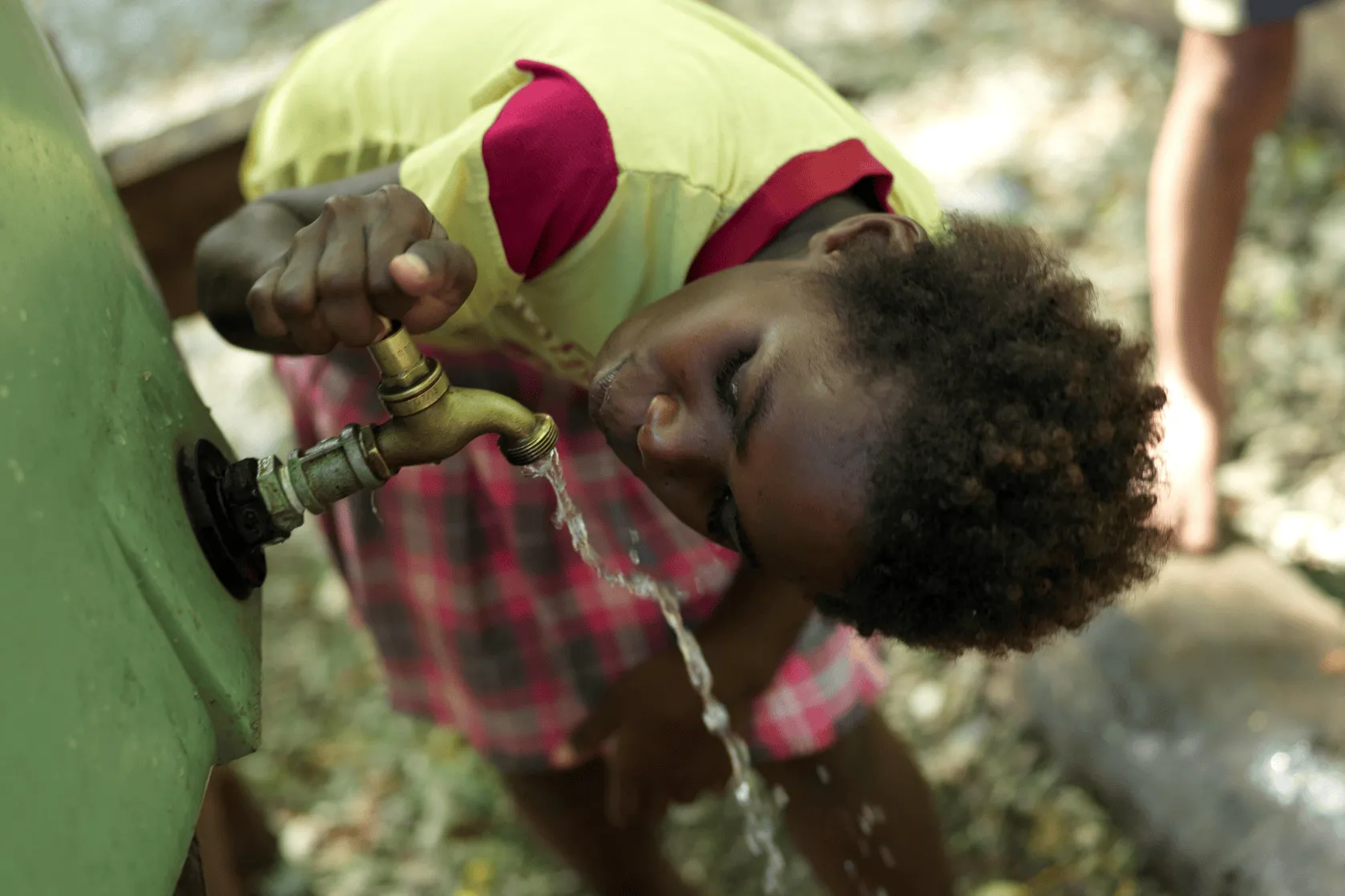
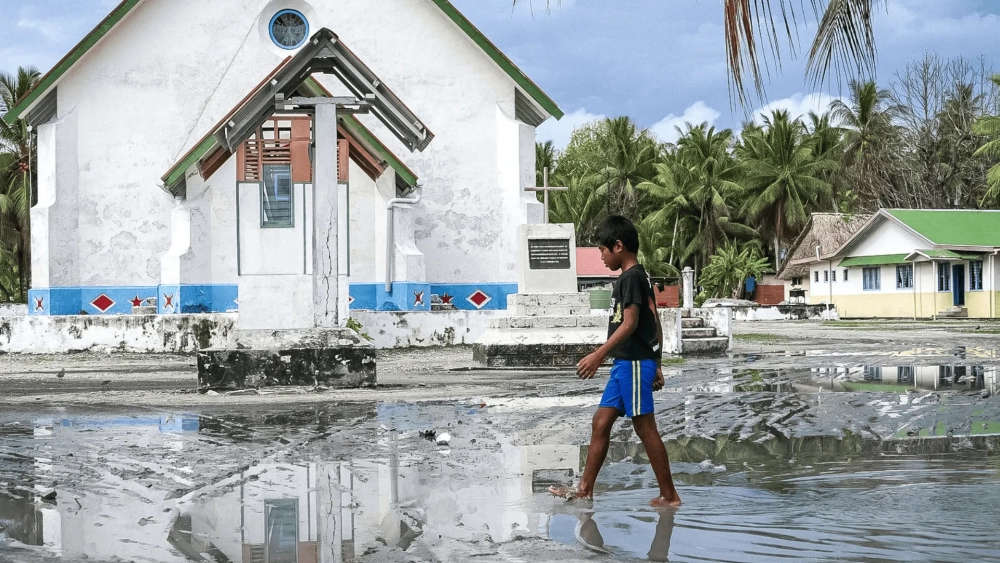
Access to safe drinking water remains a challenge across the Pacific region. Photo: Solomon Islands Red Cross Society/International Federation of Red Cross
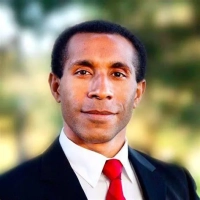
When Fijian Rugby National Taniela Rakuro campaigned for access to clean and healthy drinking water for his village Vusama in Nadroga, Fiji, he joined a multi-generational effort.
For decades his village had been asking for piped water, the absence of which forced them to bullock cart water in from two unreliable wells. The water was often unreliable in quality, creating ongoing health risks for many villagers.
Unfortunately, Rakuro’s experience is shared by about four in 10 Pacific island people, for whom access to safe drinking water remains a challenge. Despite advocacy to raise water security to the highest levels of the PIF Leaders’ Agenda, the communities of the Pacific continue to endure some of the lowest rates of access to clean water and sanitation globally. The efforts led by the Pacific Water and Wastewater Association, established in 1994, continue to highlight how water infrastructure remains under-resourced and underdeveloped in most parts of the Pacific.
While access to water is a fundamental human right and a Sustainable Development Goal, progress towards universal access across the Pacific remains stagnant. Lack of access and water scarcity in the Pacific constitutes an existential threat that undermines public health and can trigger social instability, economic collapse and mass relocation long before rising sea levels permanently inundate land.
Water security is recognised in key regional and national security documents. Underpinning so many aspects of human security it perhaps suffers from being everybody’s issue and therefore nobody’s issue at the same time. And this is where local village level communities are so important. They have lived experience, local knowledge and skills that could be honed provided they receive ongoing resources and training.
Empowering local water committees
The Pacific remains the least urbanised region on earth. Despite centralisation of government in PICs, water and sanitation remains the traditional responsibility of local village communities in rural and remote areas. While there is a lot of experience at this level, they need ongoing resources and training. We need to be better at building the capabilities of these local level water committees if they are to manage water systems, conduct maintenance, and oversee water safety plans, all of which are local context driven.
It starts by ensuring committees have diverse representation that brings together all parts of a community from the elders and leaders to the perspectives of women and youth.
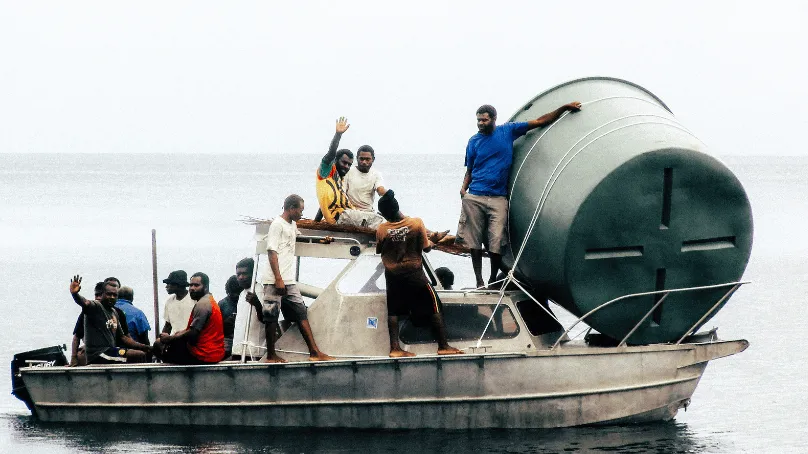
A water tank is delivered by boat in Fiji following Cyclone Pam. Photo: International Federation of Red Cross
Water and freshwater bodies hold an intrinsic and spiritual value in Pacific Islands culture. Talanoa and tok stori are critical to bring local knowledge of water sources, their protection, and experience of past water insecurity events to bear on local water safety plans. Ensuring basic and low-cost water security strategies are maintained is key. Cleaning water catchment areas, repairing minor leaks and improving hygiene practices are the baseline actions. Across many Pacific communities, the long-term challenge is often not the initial installation of infrastructure, but maintaining pumps, tanks and small distribution systems once external project support ends.
Climate-resilient water security
Rising sea levels, prolonged dry periods and local over-extraction are increasingly affecting shallow freshwater lenses, compromising the local wells and boreholes relied upon by many Pacific communities. Exploring the efficacy of technical innovations will support faster roll out. Constructing raised storage tanks and protecting groundwater from contamination is one option.
Other emerging technologies include horizontal infiltration galleries, essentially horizontal wells, which are increasingly being used as an alternative to open trench systems for community-scale groundwater extraction in some Pacific islands. While horizontal bore systems are well established for ground water extraction, their application to small atolls is still emerging.
At a simpler and low-cost level, rain harvesting through the installation and maintenance of household and communal tanks will increase water security during dry seasons and disasters. As will the use of solar technology for water pumps.
Complexity but simplicity
Of course, there remains complexity and structural barriers to both note and overcome. PIC Governments have little sovereign capacity to fund improved water and sanitation infrastructure and partnerships with donors and NGOs alike remain key. We also know that most land in Pacific Countries is under customary ownership, often with water rights added, making water security more complex.
Empowering local community-led approaches is both sensible and practical. Doing so will improve freshwater and sanitation while building climate-resilient, and culturally appropriate practices.
We must continue to seek national leadership, strategy and infrastructure improvement. But do so knowing we are strengthening local water committees, integrating traditional knowledge, leveraging social networks, and enhancing technical training for sustainable maintenance.
By shifting the focus to these community-led actions, Pacific Island communities are better equipped to strengthen their own water security. And at this point, the elevation of water security as national security truly begins to come from the ground up.
Milika Naqasima Sobey is a marine scientist, and Senior Technical Adviser for GIZ Pacific in Fiji.
Adrian Werner is a Professor of Hydrogeology at Flinders University.
Nick Thomson is a Fellow at the Pacific Security College, and a public health and human rights trained epidemiologist.
Views expressed via the Pacific Wayfinder blog are not necessarily those of the Pacific Security College.