Protecting a way of life: keeping community and tāoga at the heart of Niue’s first National Security Strategy


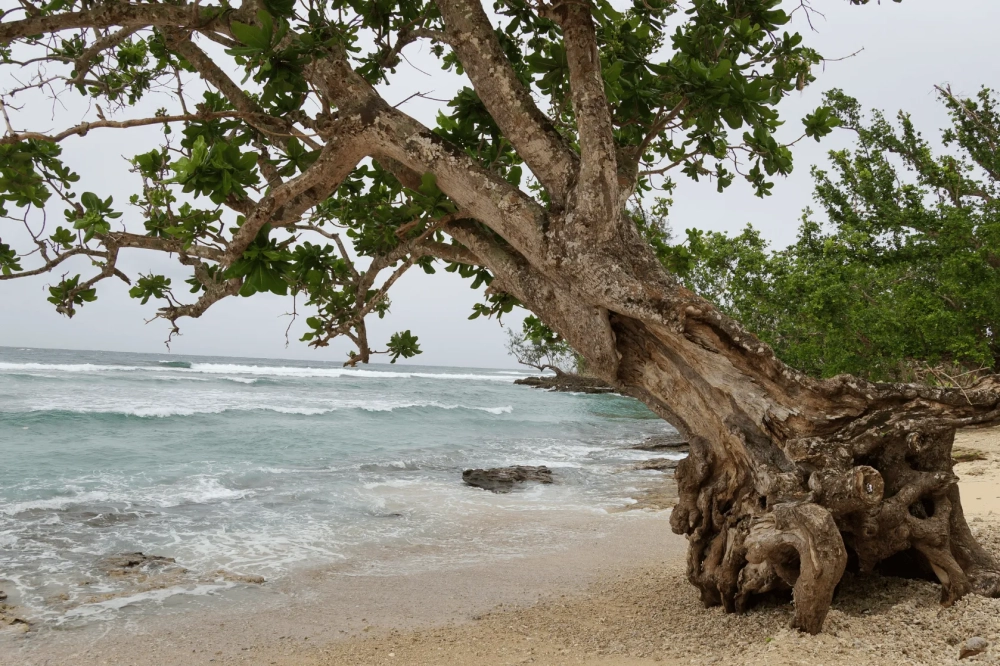
Niue’s first National Security Strategy sets out a comprehensive plan to safeguard the island’s people, sovereignty and way of life. Photo: Niue Tourism
In October 2024, the people of Niue celebrated 50 years as a self-governing state. For Prime Minister Dalton Tagelagi, the anniversary represented a “coming of age” for the Rock of Polynesia, whose free association constitutional relationship with New Zealand includes shared responsibilities on matters of defence and security.
Despite a resident population of fewer than 1,800 people, Niue is not immune to the national security challenges facing the Blue Pacific continent, nor to the broader regional and global impacts of great power competition.
Last year, Niue released its first ever National Security Strategy; a comprehensive five-year plan to protect the people of Niue and their way of life – their tāoga.
The strategy signals a shift from defining security as defence to a broader notion that includes environmental resilience, infrastructure resilience, public health, food systems, digital/cyber resilience, and preserving culture and way of life.
Protecting Niue into the future starts with understanding what is important to its people, so the team of national security officials leading the design of the strategy looked beyond the views of government and officials to harness the strength of the entire community.
Extensive consultations brought input from community groups, village councils, the private sector, state-owned enterprises, local NGOs and church groups, as well as discussions with elders, young people and women.
One of the most significant challenges in engaging community input was the prevailing assumption that security planning was solely the domain of government. However, once community members were invited to share their perspectives, they began to recognise their essential role in shaping solutions that reflect local realities and priorities.
This shift fostered a deeper sense of ownership, as communities saw themselves not just as stakeholders, but as co-creators of security strategies built from the ground up. This meant listening to the island’s resident population. The community’s position was clear: we are the ones who live here. We love this island, and we understand it in ways no one else can – we love it, and we know it.
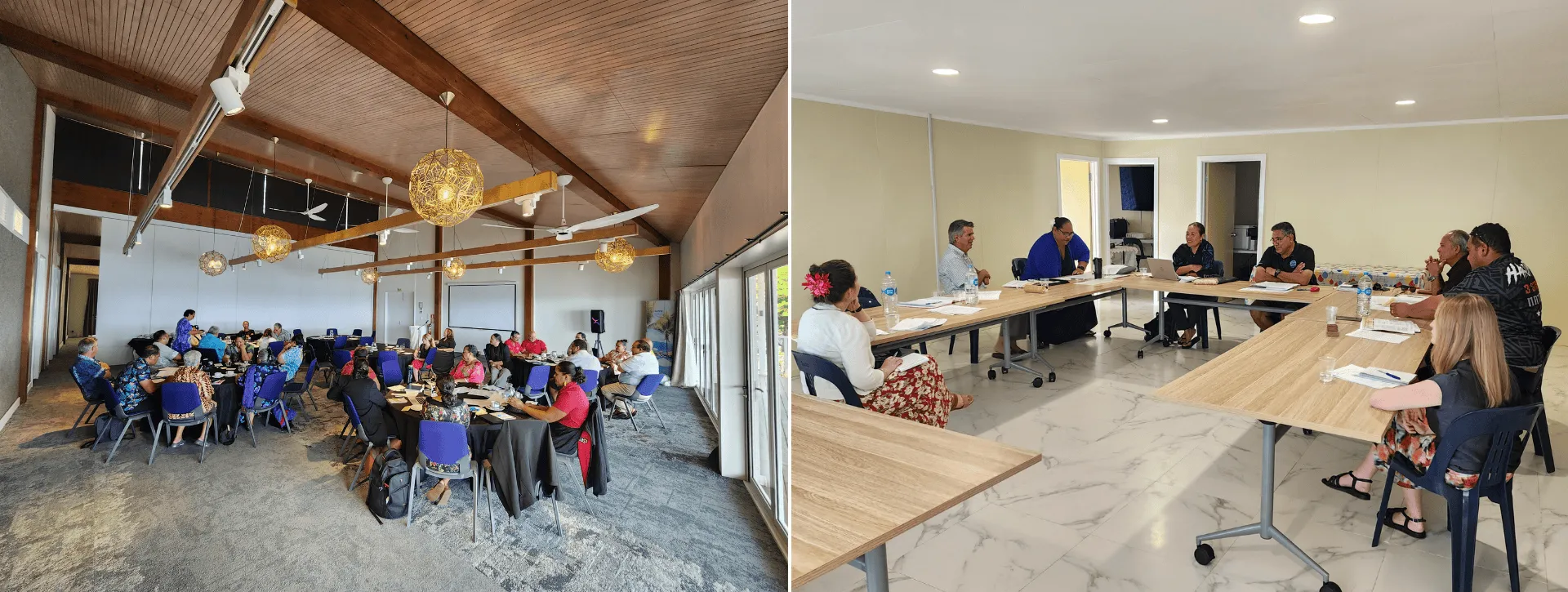
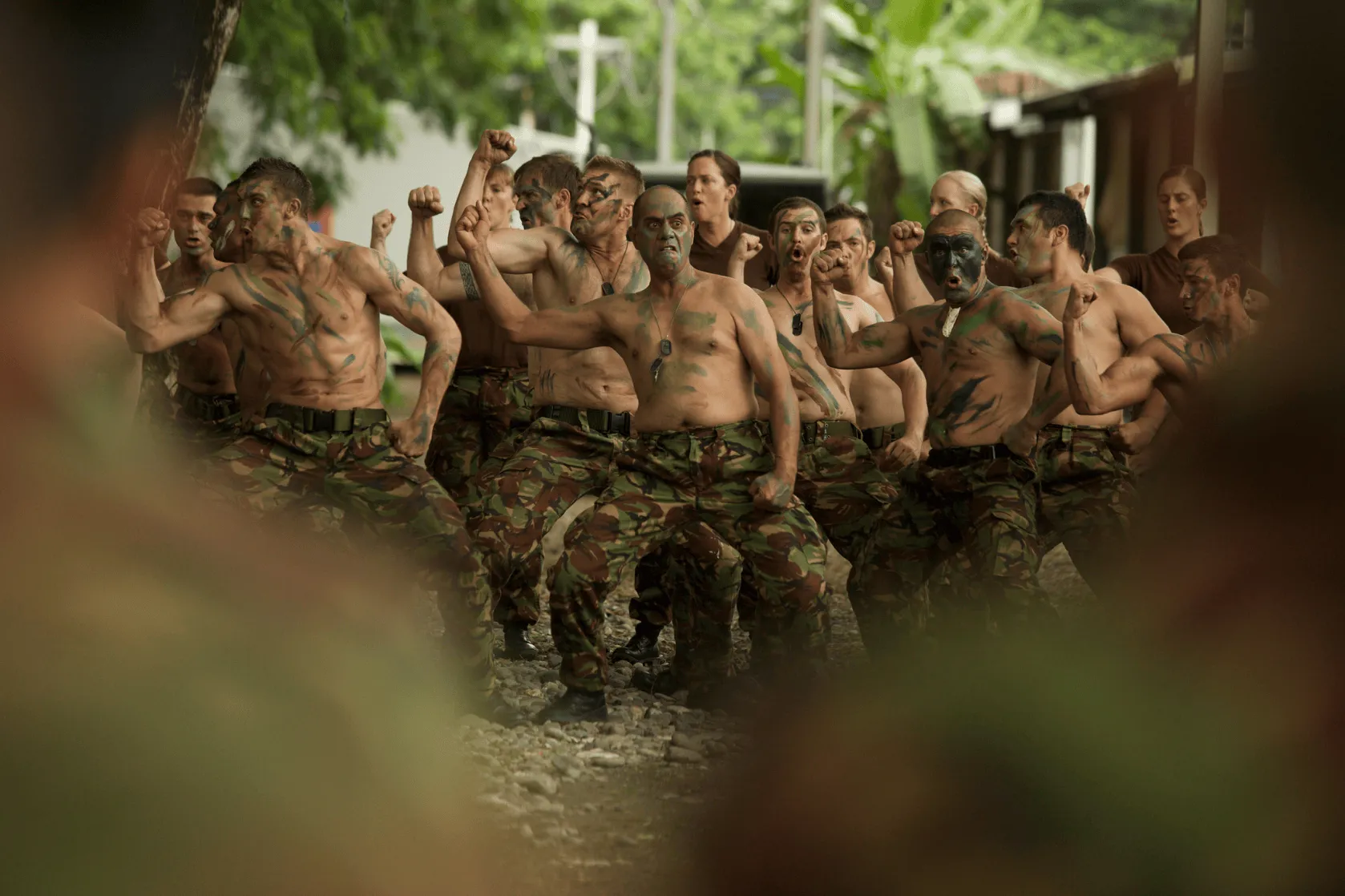
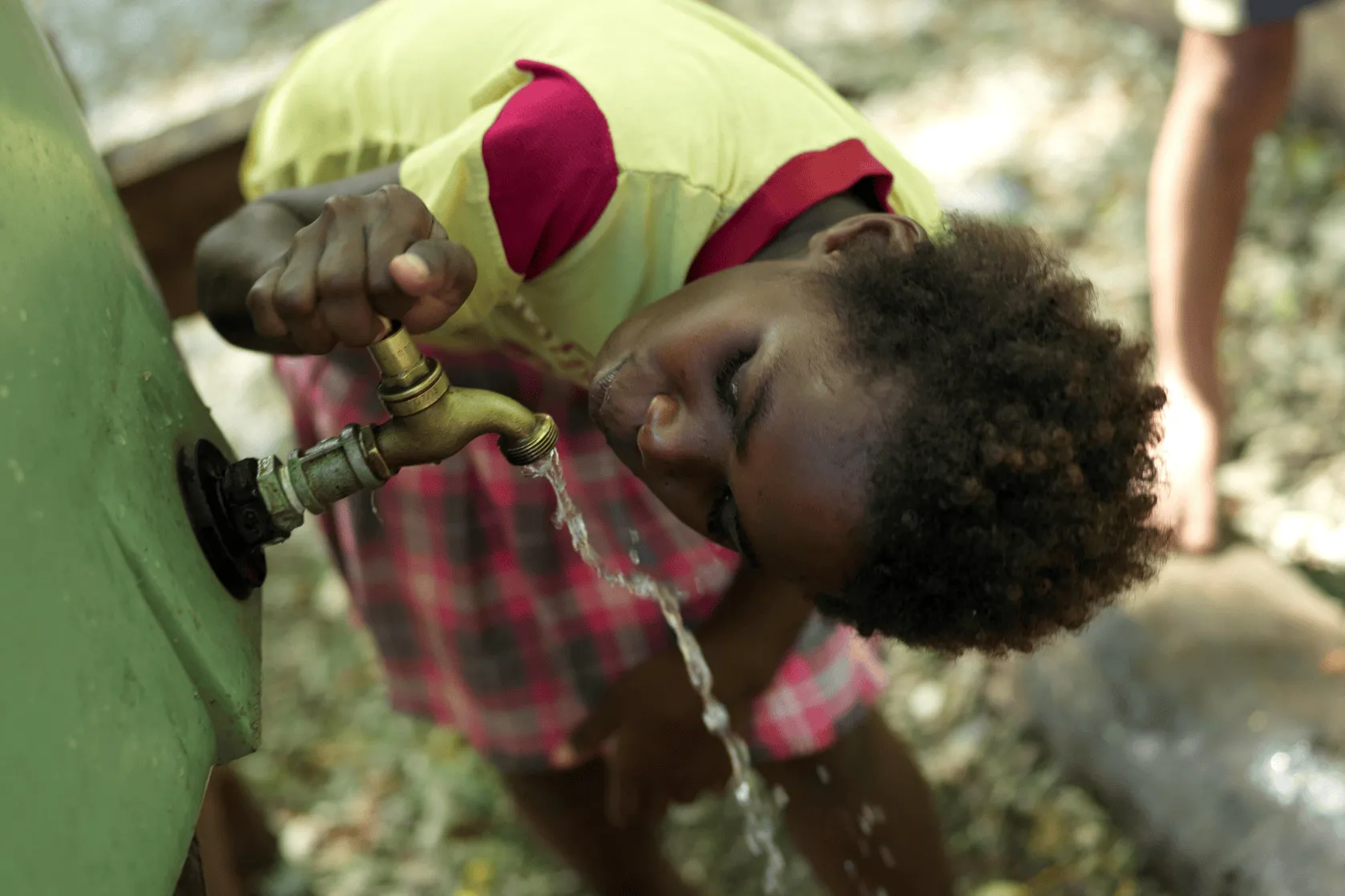
Development of the Niue National Security Strategy involved consultation with community members and groups, as well as other stakeholders. Photos: Government of Niue
Interestingly, at consultations each of the groups expressed essentially the same concerns, with climate change and environmental security their primary priority, followed by critical infrastructure, and health and food safety.
These are a reflection of the threats to tāoga that the residents can see happening now and on the horizon: the rising prevalence of extreme weather events pose a threat to lives, land, infrastructure and livelihoods.
In a nation where rising ocean temperatures can impact fisheries, working infrastructure is critical. Something as simple as a non-working crane at the Alofi Port can have heavy impacts beyond food delivery, including access to fuel and medical supplies.
Niue took more than a decade to recover from 2004’s Cyclone Heta, which exposed the vulnerabilities of critical infrastructure from roads and the power system to the internet and clean water access. In response, the island relocated all power cables underground, eliminating overhead lines and strengthening its resilience against future storms.
The new Security Strategy is designed to work alongside the Niue National Strategic Plan and national development pillars, and to be read alongside community documents such as village plans.
It is shaped around three guiding perspectives – Looking In, Looking Out, and Looking Ahead – that together define how Niue understands and manages its security.
Looking In focuses on strengthening internal resilience: protecting people, land, culture, and critical infrastructure, ensuring strong governance and community preparedness, and embedding security thinking across all sectors of national life.
Looking Out emphasises Niue’s engagement with the wider world – safeguarding sovereignty and national interests while deepening cooperation with partners such as New Zealand and regional neighbours through frameworks like the Boe Declaration and the 2050 Strategy for the Blue Pacific Continent.
Looking Ahead commits Niue to proactive, informed decision-making: anticipating emerging risks, from climate and cyber threats to geopolitical shifts, including regional tensions that may have unintended consequences and may carry implications for Niue’s external relationships and strategic positioning. Building the capacity, skills, and foresight needed to ensure that the island’s people and way of life remain secure for generations to come.
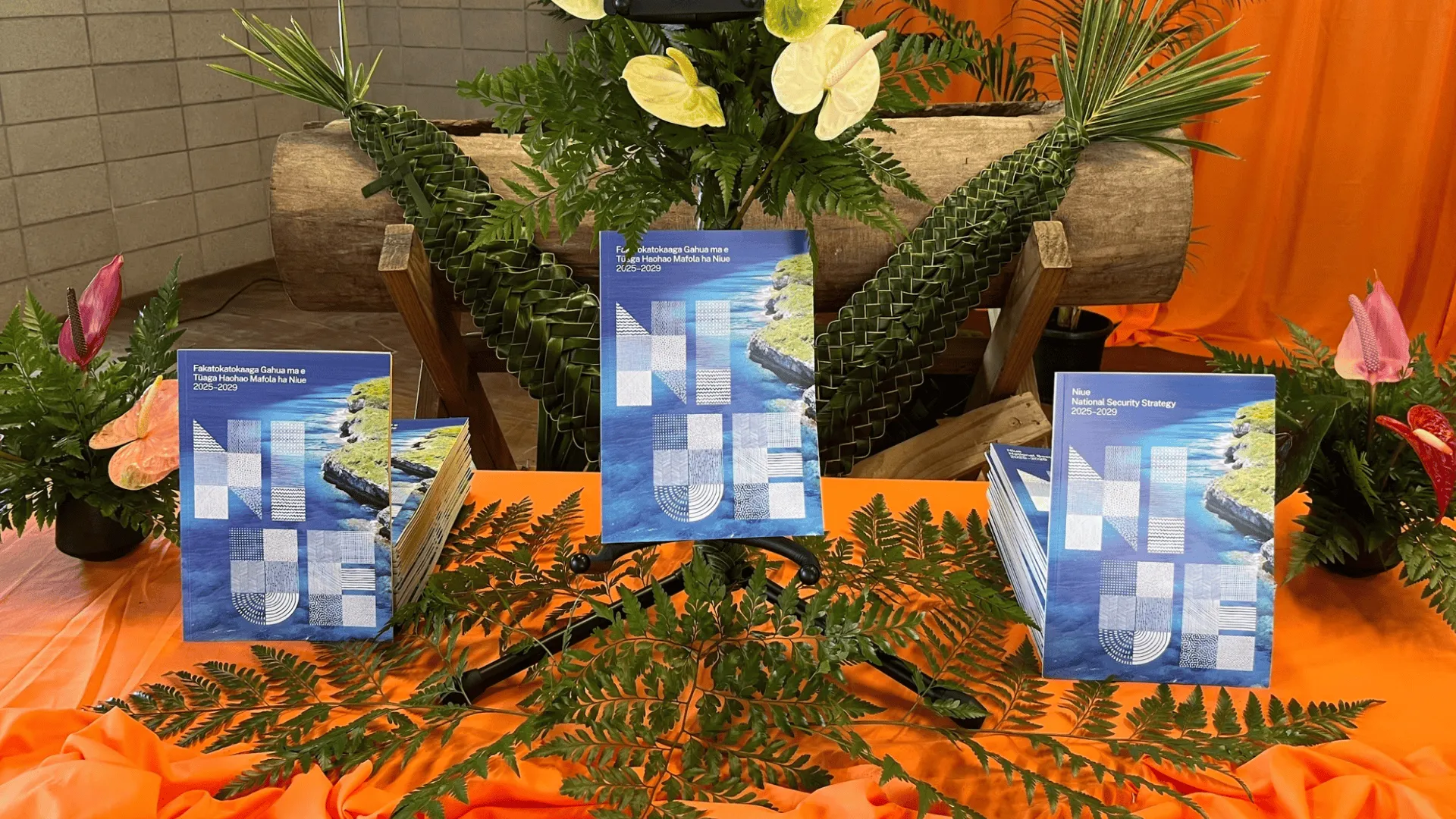
The Niue National Security Strategy was launched in 2025. Photo: Government of Niue
The corresponding key actions focus on building the practical foundations of a safer, more resilient nation.
To protect people from harm, the strategy prioritises stronger disaster preparedness, improved health and food systems, and enhanced border and maritime security to guard against environmental and transnational risks.
Ensuring resilient national infrastructure commits Niue to maintaining and modernising critical infrastructure such as power, water, transport and communications, while investing in the development of local expertise to ensure these essential services are sustainable and future-ready.
In promoting informed and accountable decision-making, the strategy emphasises stronger use of data, long-term planning, and coordinated governance across all sectors so that emerging risks are anticipated rather than reacting to them.
Finally, through enduring international partnerships, particularly with New Zealand and other Pacific nations, Niue aims to strengthen regional cooperation, attract targeted support, and ensure that external assistance reflects its national values and priorities.
Collectively, these actions are designed to secure Niue’s people, infrastructure and environment, while positioning the nation to meet future challenges with confidence and cohesion.
The consultations were designed to distil the essence of Niue – its values, identity, and lived realities – and that foundational DNA will serve as a guiding force in the strategy’s implementation.
Alongside the private sector, agencies and ministries, communities and villages will play a pivotal role in integrating security considerations in their planning and operations. Ensuring collective accountability, all stakeholders will contribute to monitoring progress and sustaining momentum.
Cross-sectoral coordination will be essential given the broad scope of the strategy. External partners such as donors and regional bodies are encouraged to recalibrate their engagement, moving beyond general assistance to more strategic forms of support that are responsive to Niue’s identified priorities and implementation pathways. Given the nation’s limited resources, strategic prioritisation will be essential to ensure that the most impactful actions are advanced.
Niue has crafted a strategy that is both inclusive and rooted in its cultural identity. This is a significant step toward ensuring everyone is actively engaged in protecting their Rock of Polynesia.
Peleni Talagi is the Secretary of Government for the Niue Government, where she is responsible for national security and is the chair of the Niue National Security Committee.
Ross Ardern is former diplomat who has served as Chief of Police in Niue, and as the New Zealand High Commissioner to Niue. He supported the Niue National Security Strategy as a technical adviser. He is also a member of the Pacific Security College Advisory Board.
Views expressed via the Pacific Wayfinder blog are not necessarily those of the Pacific Security College. Read our publishing policy.