The case for a Pacific Seabed Stewardship Statement
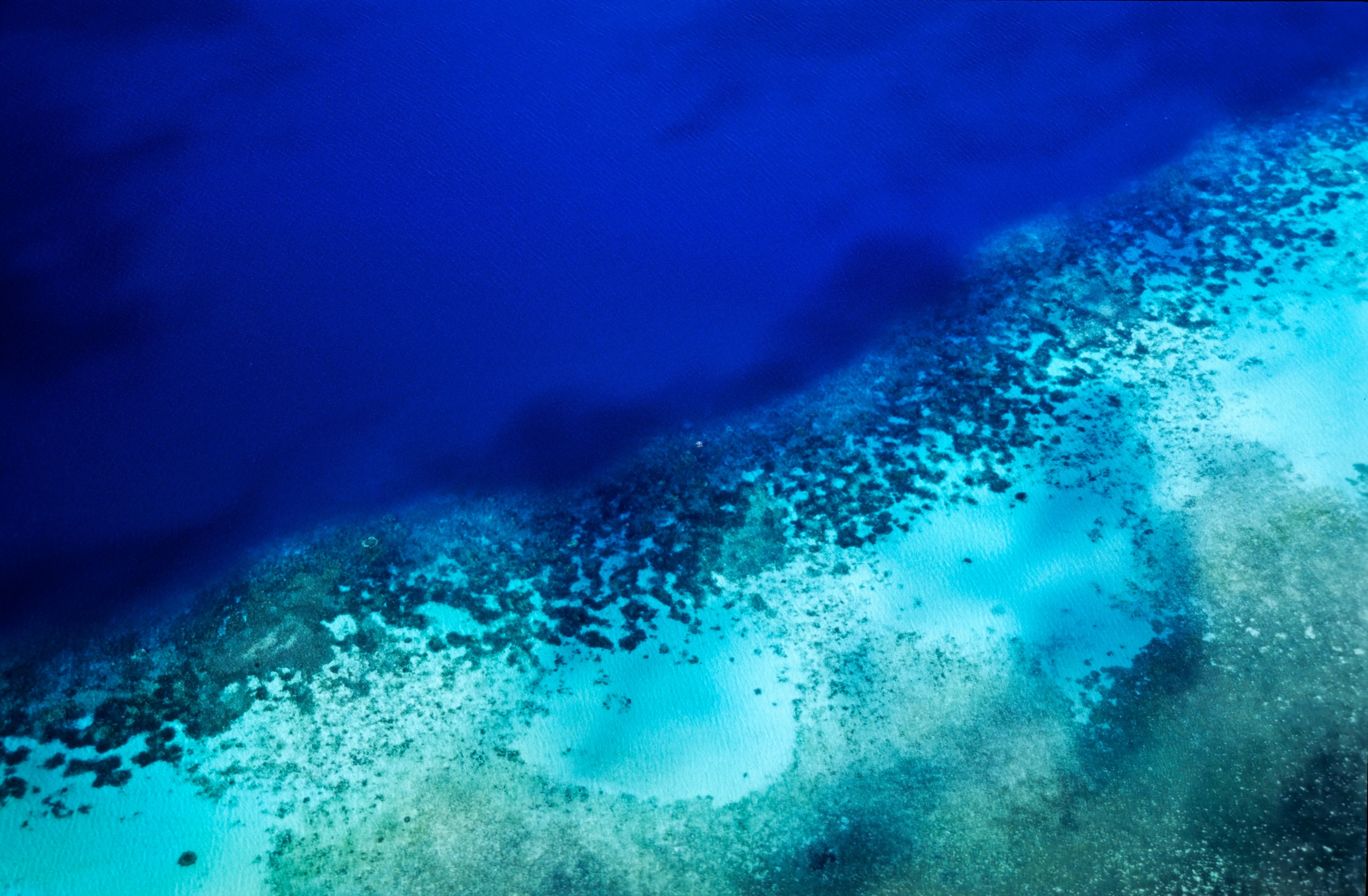
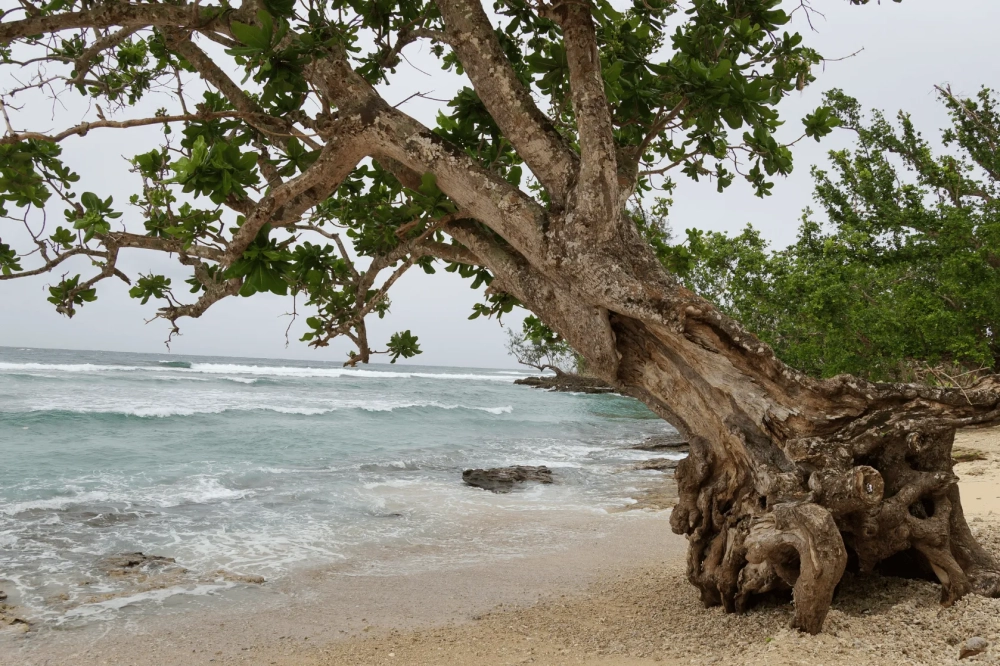
The Pacific must unite to mitigate the shared risks of seabed use. Photo: stock.adobe.com
A rush is underway for access to the Pacific seabed.
Deep-sea ecosystems have attracted interest for their genetic resources, which science and industry are exploring for potential application in areas including pharmaceuticals, biotechnology, agriculture and cosmetics. The number of submarine cables across the region has grown substantially over the past decade, particularly since 2020. And perhaps most contentiously, deep-sea mining proponents have sharpened their focus on the considerable amount of minerals found in the Pacific seabed.
These emerging sectors are attracting new and reenergised stakeholders to the region, each seeking access to the Pacific seabed and its resources. This brings both opportunities and challenges. Above all, it calls for responsible seabed stewardship.
To effectively manage accelerating deep-sea activities, it is critical the Pacific draw together in a collective approach to seabed governance.
Conversations around what regional collaboration for Pacific seabed governance could look like have been slowly growing over the past two decades. This year’s Deep-Sea Minerals Talanoa and 54th Pacific Islands Forum Leaders’ Meeting marked key milestones in securing political endorsement of a “member-led regional approach to deep-sea minerals”.
This support for a regional approach to deep-sea minerals was an important step towards collective governance. Now, it’s time to puts words into action.
Laying the ground for seabed cooperation
A Pacific Seabed Stewardship Statement, as proposed in a new policy paper from the Pacific Security College, would prepare the ground for implementation of regional seabed cooperation. This statement would clearly set out common principles of deep-sea management and use that could guide collective policy and action. It would function as a foundation for mutual understanding and accountability on Pacific seabed governance, providing a reference point for Pacific stakeholders and partners alike.
This Statement could be advanced alongside the region’s existing commitment to a regional knowledge hub for Pacific seabed information. Critically, it should be leveraged as a starting point for regional cooperation – not its end.
There are three key features of the proposed Statement:
First, it would be a non-binding statement of seabed principles, not positions. This is important for building regional cooperation among stakeholders with diverse perspectives on seabed activities, particularly deep-sea mining.
Over the longer term, parties may look to incorporate these principles into a regional treaty – in the style of the Treaty of Rarotonga. However, in the interests of fostering robust and constructive dialogue that keeps all stakeholders at the table, it would be beneficial for this Statement to be non-binding at first.
Second, the Statement would expand regional cooperation beyond deep-sea minerals towards seabed governance in general.
The interconnected and transboundary nature of ocean activities encourages a holistic seabed approach, which would ultimately support better outcomes across all deep-sea sectors (e.g. submarine cables, marine genetic resources etc). De-centring deep-sea mining could provide the region with other critical areas around which to negotiate and build cooperation, while allowing deep-sea mining issues to receive due time and care for discussion.
Third, there already exists a robust set of shared seabed stewardship principles across the Pacific. These shared principles broadly reflect eight themes:
- Heritage and connection
- Justice
- Ecosystem health
- Development
- Geopolitical management
- Knowledge
- Coordination and cooperation
- Governance
These principles affirm that while there are differences among the region regarding seabed management and use, there are also areas of convergence. They offer a springboard for negotiation of a Pacific Seabed Stewardship Statement, building on decades of thinking and discussion from around the region.
Watch the online launch of the policy paper and hear from Dr Louey, Dr Tupou-Roosen and Anna Naupa.
United we stand, divided we fall
As we know from experiences across fisheries and climate, the Pacific stands stronger when it stands together. A collective approach to Pacific seabed governance is both critical and pressing. Development of a Pacific Seabed Stewardship Statement would be a strong move towards regional deep-sea cooperation that can cultivate mutual understanding through shared commitments on seabed stewardship and care. This is critical in an age of accelerating seabed ambition and interest.
Negotiation of such Statement could be shepherded through the Pacific Islands Forum architecture, led by the Office of the Pacific Ocean Commissioner. Transparency, accountability and inclusion will be critical. As such, this Statement should be developed in consultation with a broad range of regional stakeholders, including customary leaders, faith groups, civil society and youth representatives.
Increasing interest in the Pacific seabed is introducing new and complex governance challenges that few, if any, nations can effectively manage on their own. Regional seabed cooperation may be a daunting task, but without it, the Pacific and its ecosystems risk being played in a global race to the bottom. Shared principles offer a decisive starting point in the journey to a regional seabed approach – one that will enable the Pacific to determine a path of its own choosing.
United we stand, divided we fall: The case for a Pacific Seabed Stewardship Statement is the first publication in the Pacific Security College Policy Paper Series. The papers aim to contribute a diversity of views and ideas to the regional conversation about the journey to 2050.
Dr Philippa Louey is a Research Fellow at the Pacific Security College. Her PhD examined the politics of sustainable ocean development agendas in the Pacific.
Views expressed via the Pacific Wayfinder blog are not necessarily those of the Pacific Security College.
This article is licensed under a Creative Commons Attribution-NonCommercial-NoDerivatives 4.0 International License (CC BY-NC-ND 4.0). Read our publishing policy.
- Themes:
- Deep-sea mining