Within and beyond our shores: understanding the connection between climate and conflict


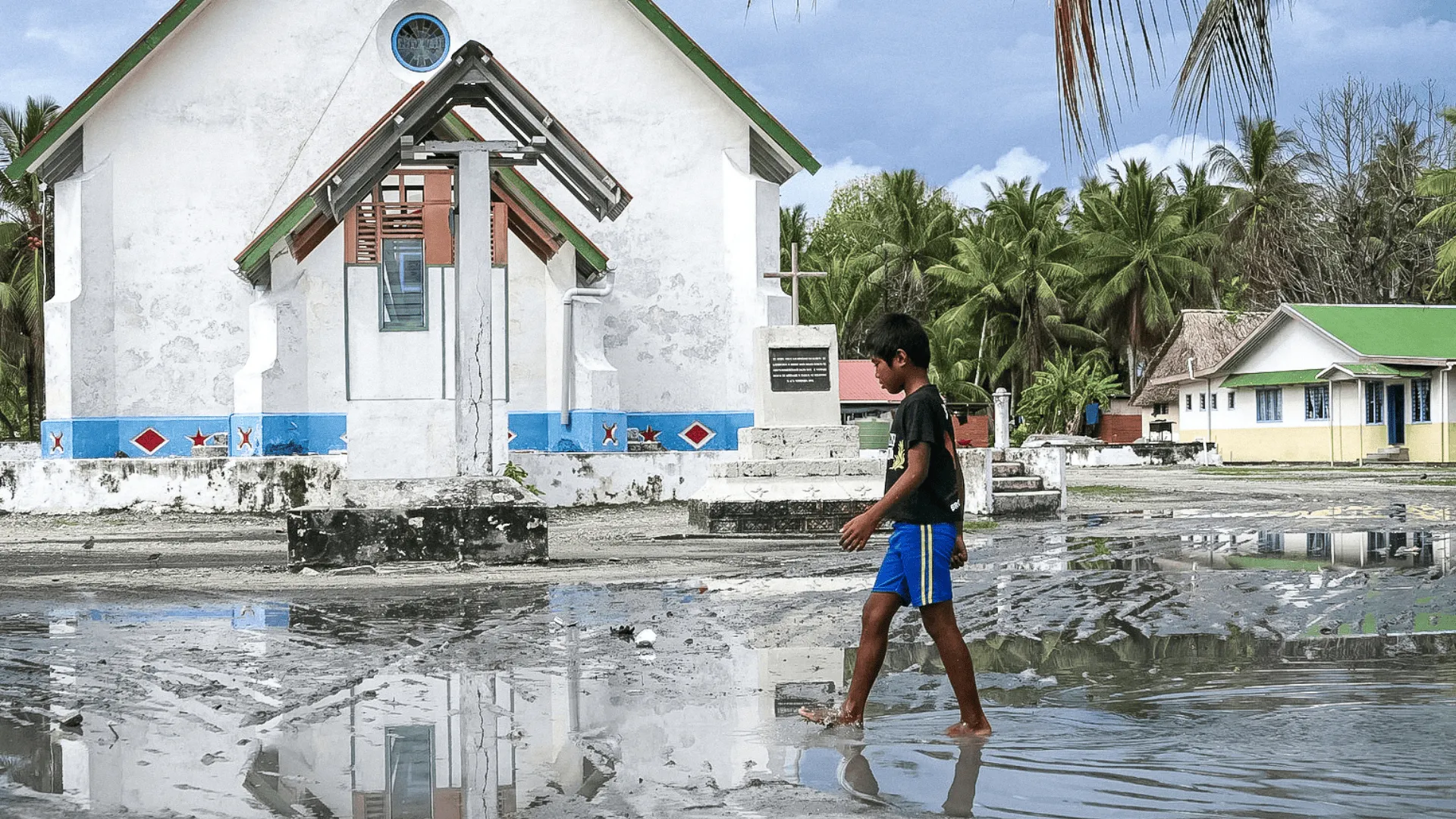
Climate change is seen by experts as a ‘threat multiplier’ that can intensify existing drivers of conflict. Photo: Silke von Brockhausen/UNDP/Flickr (CC BY-NC-ND 2.0)
While climate change is well-acknowledged as a security issue in the Pacific, the relationship between climate change and conflict is one that needs greater attention.
The idea that the impacts of climate change will create the conditions for conflict is an intuitive one. According to the International Committee of the Red Cross, 14 of the 25 countries deemed most vulnerable to climate change are mired in conflict. In countries such as Sudan and Syria, grievances over resource scarcity, loss of food and water security, loss of land and forced displacement appear to be key drivers of conflict risk.
The consensus among experts is that climate change acts as a ‘threat multiplier’ for conflict. If the underlying conditions for conflict – such as pre-existing inequalities, weak institutions and historical grievances – are already simmering away, the impacts of climate change may turn things up to boiling point. Recent research argues that the climate-conflict nexus is complex and context specific, with climate change contributing to conflict risk, but often via indirect pathways.
There is growing evidence that actions to mitigate and adapt to the impacts of climate change can also increase the risk of violent conflict and social and political confrontation. Such actions can aggravate existing grievances, limit access to land and resources, and impact negatively on human security. Political ecologist Kieren Rudge points to the presence of a military-adaptation complex in Guam, where the adaptation actions of the US military produced further ecological degradation and obstructed effective climate change action. Such evidence supports calls for mainstreaming conflict sensitivity and peacebuilding into climate policy and action.
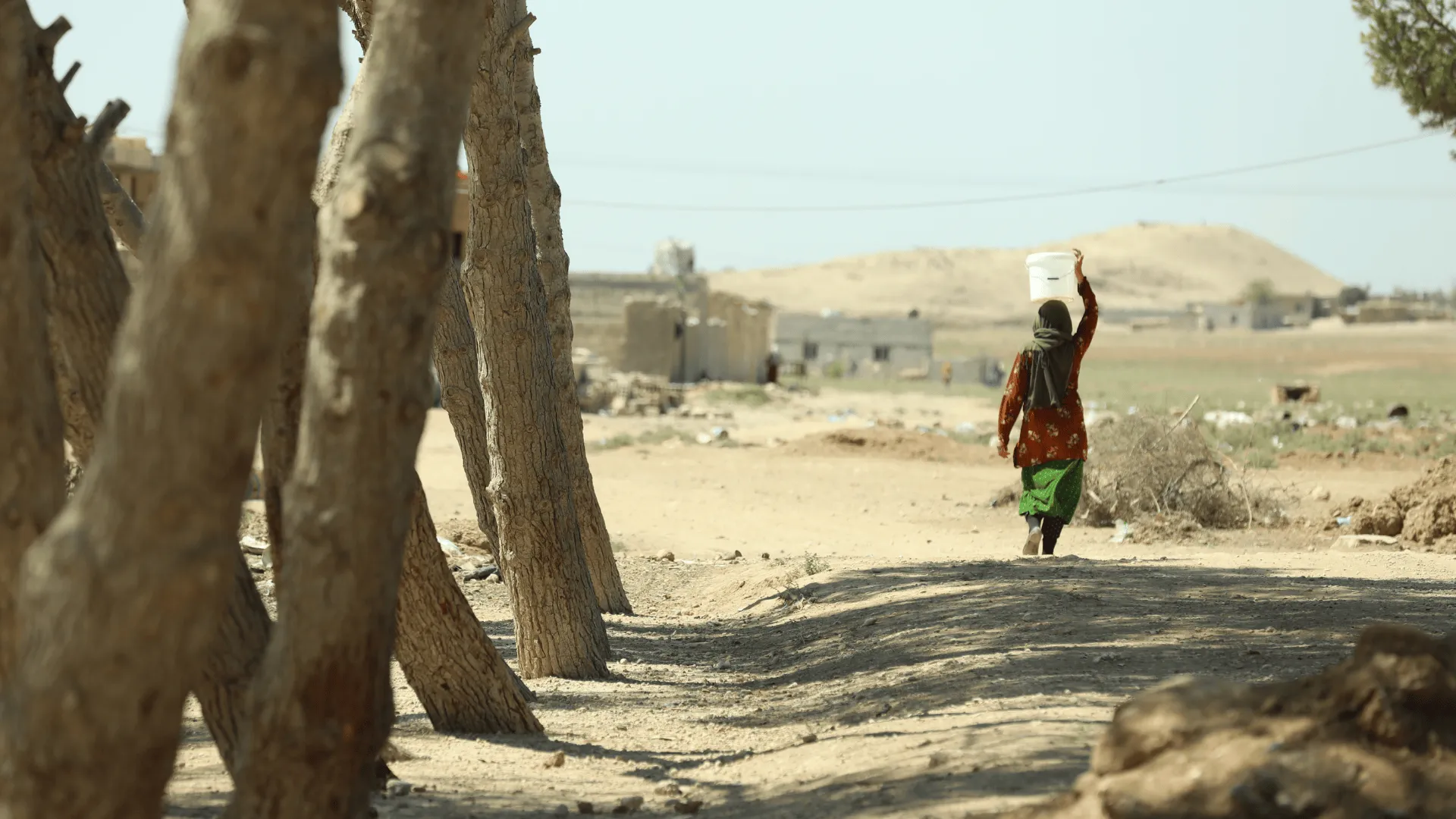
Climate-related disasters in Syria, such as drought, appear to be key drivers of conflict risk. Photo: Syrian Arab Red Crescent/International Federation of Red Cross
Climate change and geopolitical conflict
The recently released UK government assessment on global ecosystems and national security found that cascading risks of ecosystem degradation are likely to include geopolitical instability, economic insecurity, migration and increased inter-state competition for resources. These findings highlight that we must look beyond local matters and also pay attention to the interactions between geopolitical conflict and climate change.
The 2026 Global Risks Report found that environmental concerns are being deprioritised in the face of declining multilateralism and geoeconomic confrontation. As former Fiji military Commander Rear Admiral Viliame Naupoto told the Shangri-La Dialogue in 2019, “I believe there are three major powers in competition in our region … there is the US … there is China [and] the third competitor is climate change. Of the three, climate change is winning”.
The transition to a post-fossil fuel world is deeply geopolitical, and mirrors the broader geostrategic tensions between China, the US and its allies. The transition to a decarbonised world will rely on certain critical minerals, the geopolitics of which includes control over critical mineral supply and the processing and clean technology manufacturing.
Australia has taken legal action to challenge Chinese efforts to increase investments in its rare earth minerals industry. The thawing of Greenland’s ice is creating conditions for a ‘mineral gold rush’, which has prompted President Donald Trump to claim the US needs to own the territory to prevent Russia and China from taking it. The US-Ukrainian signed critical minerals agreement is also considered a tool for pressuring Russia into peace negotiations.
The weakening of the global rules-based international order is another geopolitical issue that impacts the climate-conflict nexus. As French President Emmanuel Macron observed at Davos, “a world without rules …and a world without collective governance means we are killing the very structures that enable us to address the collective problems the world faces, such as climate change”.
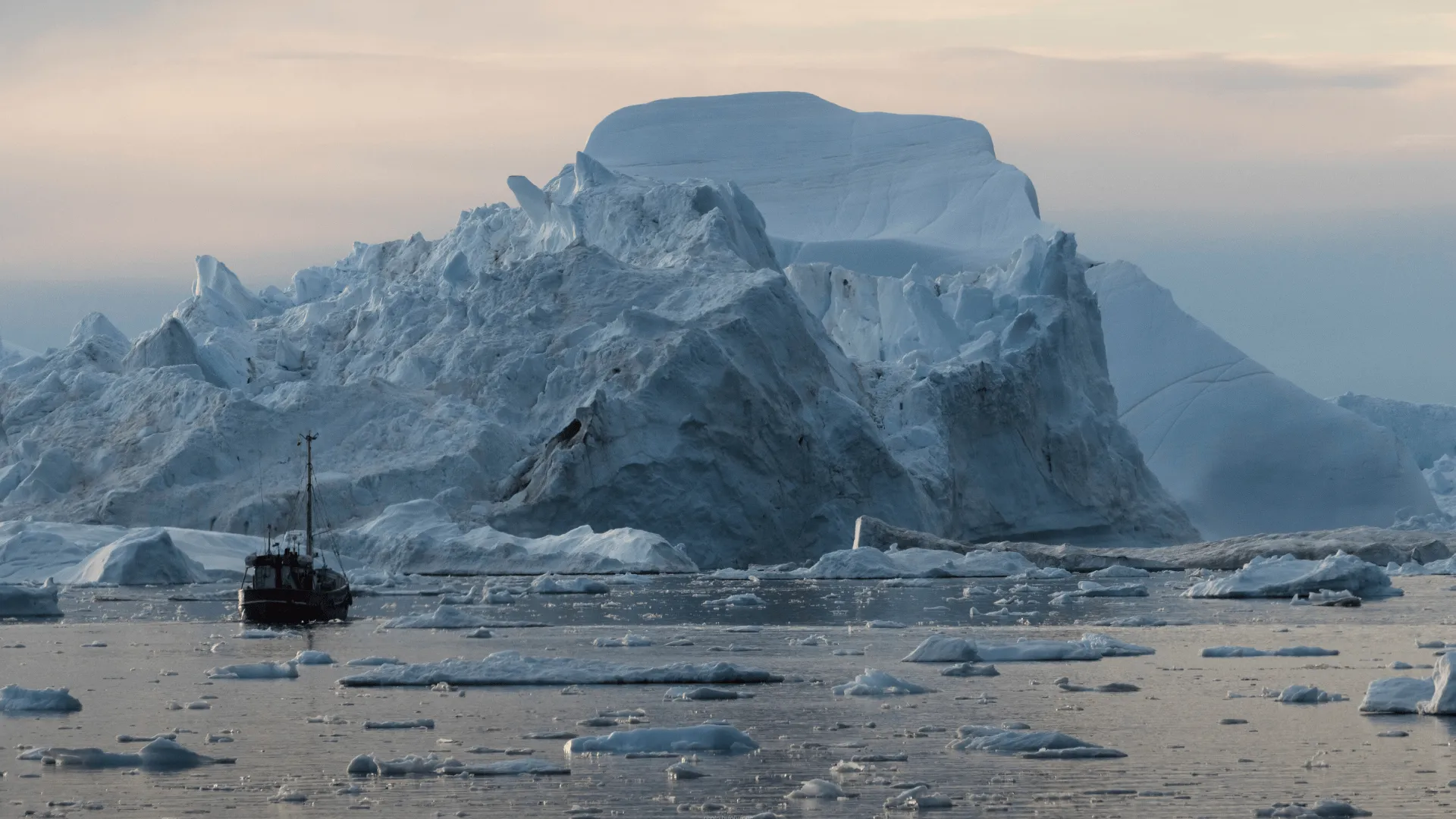
As Greenland’s ice melts, its natural resources are becoming easier to access, which is its increasing strategic significance. Photo: Buiobuione/Wikimedia Commons
A peace-oriented approach
While there are documented cases of violent disputes associated with the impacts of climate change in the Pacific, new research on the climate-conflict nexus in the Fiji, Vanuatu and the Solomon Islands shows that neither temperature extremes nor climate-related disasters affect conflict risk. The findings suggest that the Pacific could be resilient to the climate-conflict nexus.
Pacific communities do have a long history of practicing cooperation and conflict resolution that have helped them deal with acute crises.
The Wokbaot wetem kalja project demonstrated how communities in Vanuatu maintain cultural safety nets through reciprocal networks. Through evoking historical customary relationships, communities evacuated due to volcanic eruptions on Ambae Island were able to access lands on neighbouring islands until it was safe to return.
Case studies on climate mobility in the Pacific show that collective resilience is a strength used to respond to climate change and to navigate immobility and mobility.
Recommendations emerging from these case studies include adopting a transnational policy approach capable of supporting communal and collective strengths, as well as maintaining cultural practices which contribute to collective resilience and wellbeing when staying in place.
At a bilateral level, the government of Fiji has offered land to other Pacific Island governments whose people may be forced to move due to the impacts of climate change, while the Falepili Union Treaty between Australia and Tuvalu is grounded in the traditional values of good neighbourliness, duty of care and mutual respect.
Traditional practices of promoting and sustaining peace are explicitly recognised in the recently endorsed Blue Pacific Ocean of Peace Declaration, in which Leaders committed to “cultivating a culture of peace grounded in the Pacific Way, drawing on the depth and diversity of our cultural practices and indigenous knowledge systems”.
Supporting and strengthening the integration of traditional Pacific conflict resolution practices into climate security priorities and existing regional peace and conflict mechanisms could be key to diffusing any potential climate-conflict nexus in the Pacific.
Perhaps the most important climate-conflict risk facing the Pacific, therefore, lies not with localised violence but with the geopolitics associated with the shifting global order and the energy transition.
While today’s geopolitical tensions are weakening the existing international rules-based order, including the Paris Agreement, we should acknowledge that this order has itself also contributed to these risks. Indeed, the Pacific Islands have an acute sense of the systemic violence and injustice of climate change and the climate regime.
As Vanuatu Minister Ralph Regenvanu commented during COP30 in Belem, “The UNFCCC process is a consensus-based process, and that is the problem with it…we’re seeing these people blocking progress for the entire humanity.”
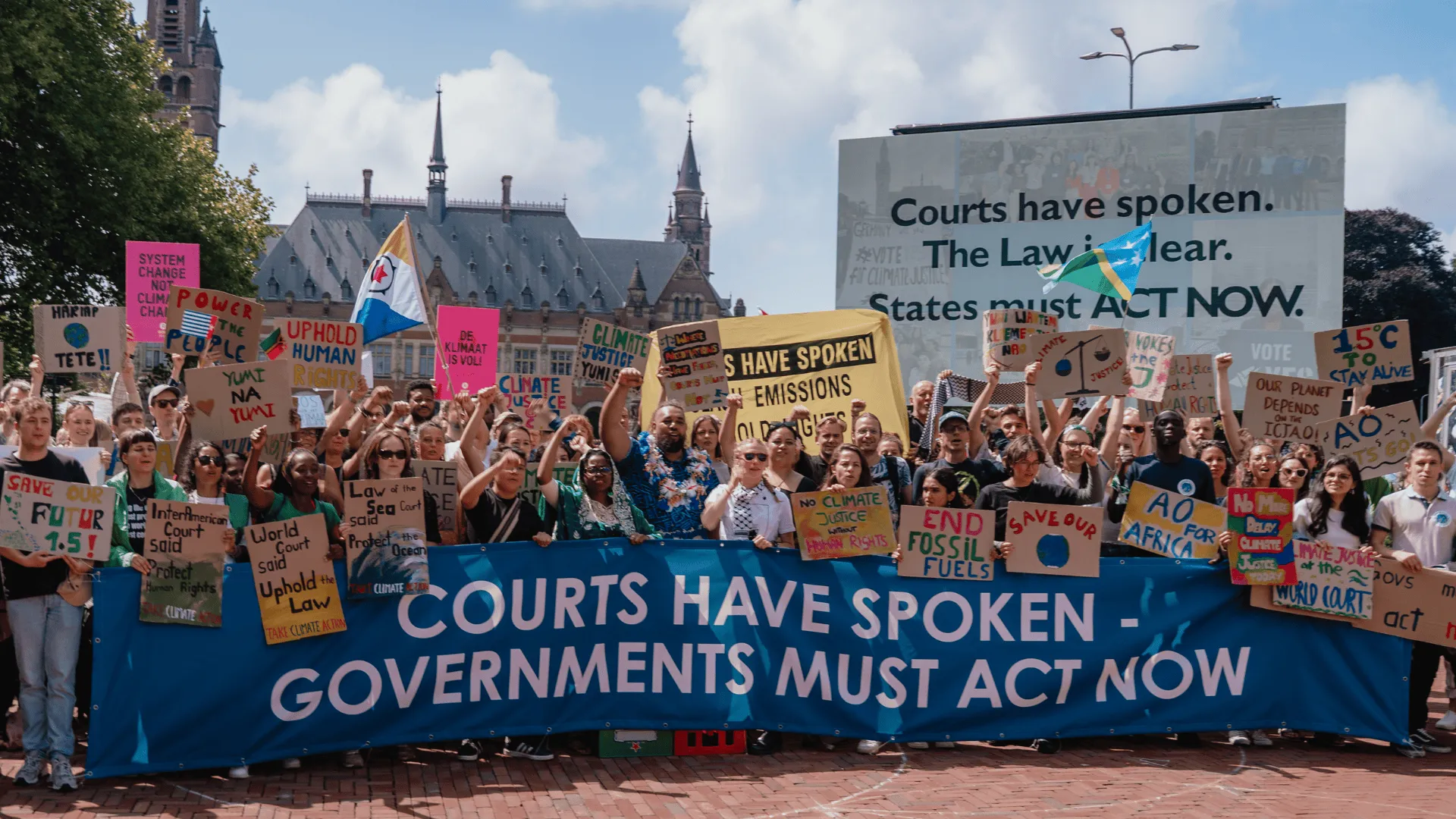
In the face of this climate injustice, the Pacific has been leading the way in advocating for more ambitious climate action such as through Vanuatu’s successful bid for an Advisory Opinion from the International Court of Justice.
Therefore, addressing climate-conflict nexus may demand a well-thought-out engagement strategy that fosters Blue Pacific unity and connects with like-minded partners to rebuild the foundations of the multilateral system to meet the challenges posed by the climate crisis.
Timothy Bryar is the Programme Advisor, Climate Mobility at the Pacific Islands Forum Secretariat.
Jamie Tarawa is the UNDP Climate Security Advisor to the Pacific Islands Forum Secretariat, seconded via the UN Climate Security Mechanism.
Views expressed via the Pacific Wayfinder blog are not necessarily those of the Pacific Security College. Read our publishing policy.
- Themes:
- Climate change