New paper calls for Pacific nations to unite on seabed governance as competition intensifies

Photo: adobe.stock.com
Pacific nations must work together to collectively manage the seabed as activity and competition in the region intensifies, according to a new policy paper from the Pacific Security College.
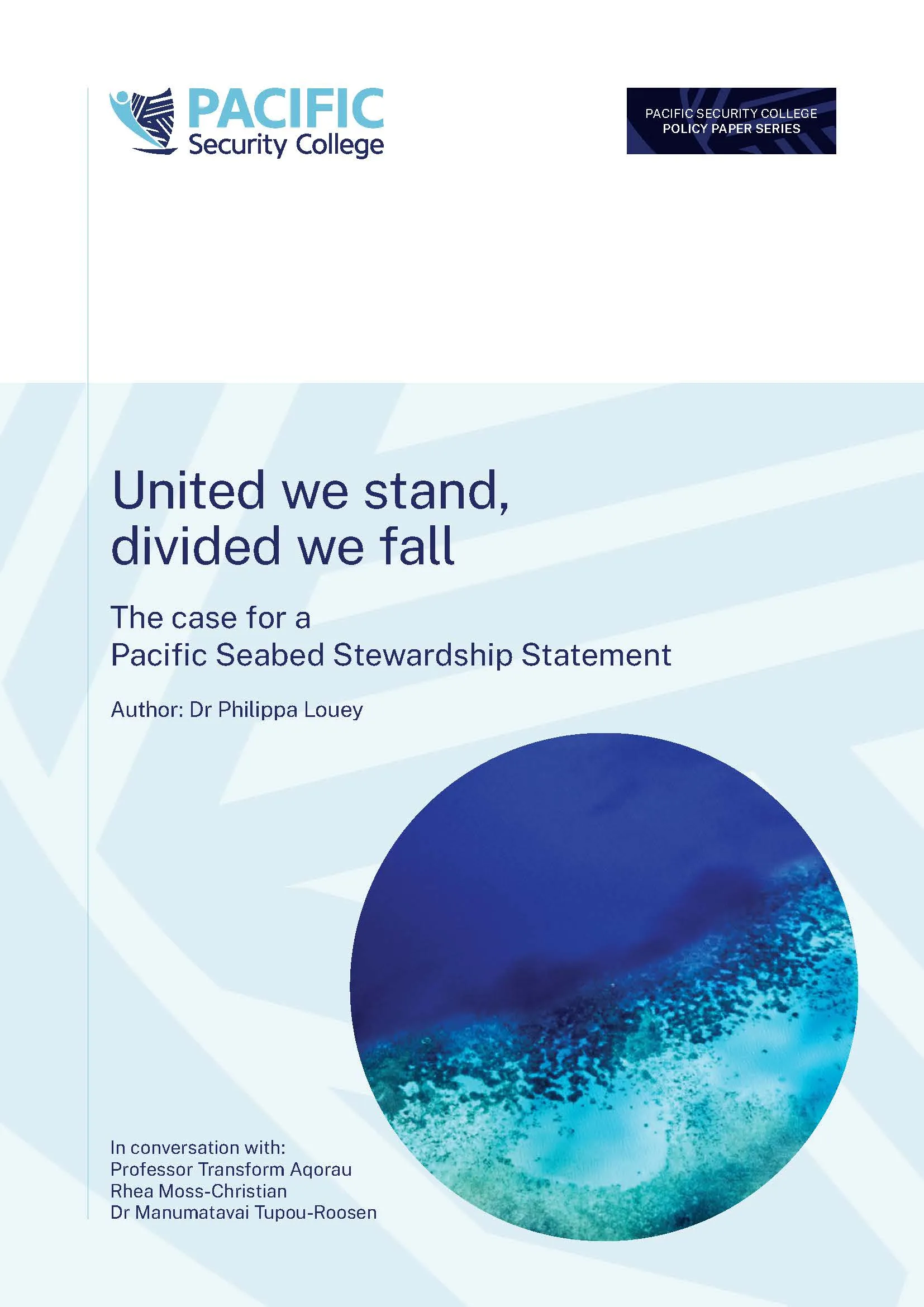
The paper, United we stand, divided we fall, proposes a Pacific Seabed Stewardship Statement to help countries agree on shared principles and guide future cooperation.
Author Dr Philippa Louey, a Research Fellow at the Pacific Security College, said deep-sea activities in the Pacific have accelerated to the point where clear governance frameworks are urgently needed.
“Activity in the deep-sea is increasing significantly – from new submarine cables to growing interest in deep-sea minerals and organisms that could unlock breakthroughs in medicine, technology, and agriculture,” she said.
“We’re seeing new and re-energised players coming into the Pacific, all looking for access to seabed resources. That brings opportunities, but also big challenges.
“Pacific nations need clear seabed governance frameworks to assert authority and manage these resources responsibly. Without them, we risk harmful agreements and irresponsible activity.
“National frameworks are a good start, but they’re not enough. We need to think beyond borders and work together on a regional approach to protect the Pacific seabed.”
Dr Louey said a Pacific Seabed Stewardship Statement could prepare the ground for implementation of regional seabed cooperation. This statement would set out common principles of deep-sea management and use that could guide collective policy and action.
“This Statement would give the region a shared foundation for understanding and accountability on seabed governance – something all Pacific stakeholders and partners can refer to,” she said.
The policy paper identifies a set of seabed stewardship principles that provide a solid springboard for negotiating a Pacific Seabed Stewardship Statement. These shared principles broadly reflect eight themes: Heritage and connection; Justice; Ecosystem health; Development; Geopolitical management; Knowledge; Coordination and cooperation; and Governance.
“Pacific nations don’t agree on everything when it comes to seabed management, but there are clear areas where priorities align. Those shared principles give the region a strong foundation to build on,” Dr Louey said.
United we stand, divided we fall: The case for a Pacific Seabed Stewardship Statement is published by the Pacific Security College and features responses from three regional experts: Professor Transform Aqorau, Rhea Moss-Christian, and Dr Manumatavai Tupou-Roosen.
Watch the online launch of the policy paper and hear from Dr Louey, Dr Tupou-Roosen and Anna Naupa.
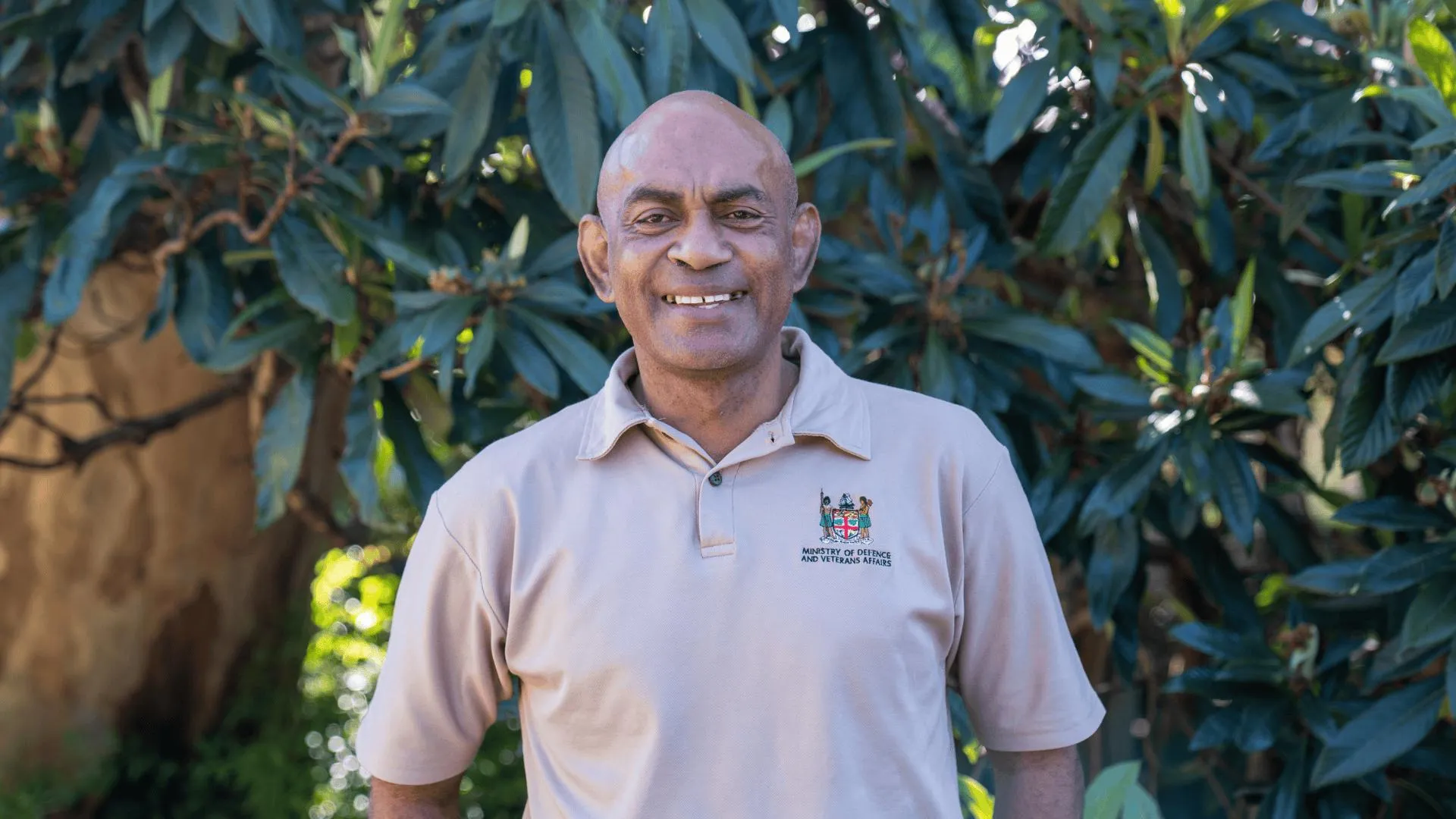
Dr Tupou-Roosen, Acting Deputy Vice-Chancellor and Vice-President (Regional Campuses and Global Engagement) at the University of the South Pacific, and former Director-General of the Forum Fisheries Agency, said the challenges facing the region regarding its seabed resources demanded “immediate and coordinated action”.
“I fully agree that the collective approach has shown us time and again that when we stand together, we are not just stronger, everyone wins,” Dr Tupou-Roosen said.
“A classic example is our tale of tuna. Our successful stewardship of these valuable resources above the seabed can help us to navigate our stewardship of resources below the seabed.
“A non-legally binding approach is a non-confrontational yet strong statement of principles to steer us. This statement can serve as a strategic platform to guide sustainable practices, strengthen regional solidarity, and safeguard our shared ocean heritage.”
Professor Transform Aqorau, Vice-Chancellor of Solomon Islands National University, emphasised the value of centring shared principles as the foundation for regional seabed cooperation.
“What is most valuable in this work is the emphasis on shared principles rather than positions. At a time when perspectives on deep-sea mining remain diverse, a principled foundation provides a pragmatic and politically workable path forward,” he said.
“A stewardship statement can act as an early guardrail, signalling to all actors – contractors, states, and multilateral bodies – that Pacific agency and Pacific values remain at the centre of decision-making.”
Rhea Moss-Christian, Executive Director of the Western and Central Pacific Fisheries Commission, highlighted the management of the region’s tuna stocks as an example of effective Pacific stewardship of valuable natural resources.
“Recognising the diversity of interests and development goals and starting points, the Forum Fisheries Agency (FFA) model seeks to provide opportunity for each distinct island member voice to contribute to a common outcome that reflects the interests of each individual member,” Ms Moss-Christian said.
“[Dr Louey] rightfully acknowledges the value in focusing, at least initially, on common values rather than on a single position ‘for’ or ‘against’ seabed mining.”
Professor Dave Peebles, Director of the Pacific Security College, said the policy paper series aimed to contribute diverse perspectives and ideas to the regional dialogue about the journey to 2050.
“Time and again, the Pacific has shown the strength of unity in facing complex issues. A Pacific Seabed Stewardship Statement builds on that tradition of cooperation, creating a shared foundation for managing seabed resources responsibly,” he said.
“It’s a step toward becoming a strong, united strategic bloc by 2050, protecting and benefiting from the Blue Pacific’s resources.”