Inaugural workshop unites cross-sector stakeholders ahead of security dialogue
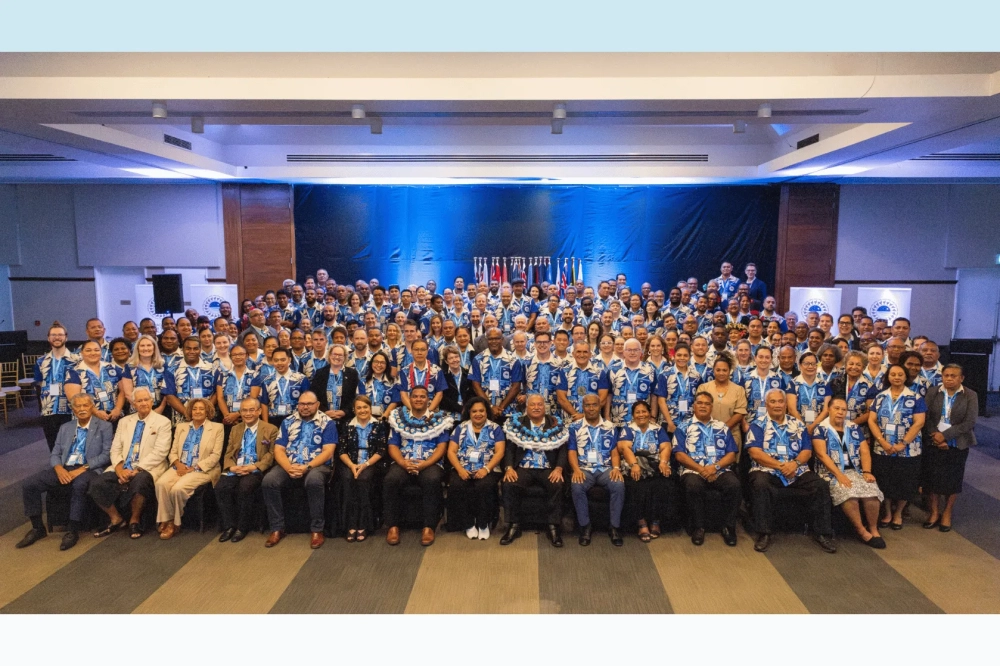
Participants at the Pacific Peace and Security Dialogue Preparatory Workshop. Photo: Pacific Security College
A diverse cross-section of the Pacific security community convened on Friday for a preparatory workshop at the Pacific Islands Forum Secretariat in Suva, laying the groundwork for next week’s Pacific Peace and Security Dialogue.
Designed to strengthen a shared, practical understanding of the Pacific’s most pressing security challenges, the workshop brought together government officials, representatives from regional organisations, law enforcement and national security agencies, civil society, and faith-based, cultural and community groups.
The event was co-convened by the Pacific Islands Forum, the Pacific Fusion Centre and the Pacific Security College, and focused on climate security – one of the region’s most urgent priorities under the Boe Declaration on Regional Security.
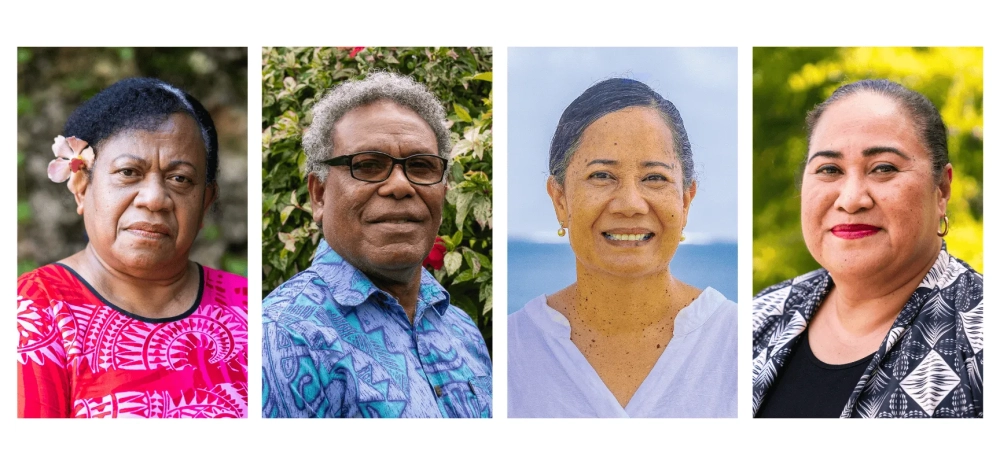
In opening the workshop, Pacific Islands Forum Deputy Secretary General Esala Nayasi acknowledged the challenging security landscape facing the Pacific – including growing power competition, increasing pressure on ocean environments and transnational crime – and the need for collective action to address these issues.
“At a time when the regional security agenda is deepening in both complexity and consequence, this preparatory workshop is a deliberate and important step forward,” Mr Nayasi said.
“The Pacific’s approach to security has always been grounded in collective responsibility and shared values, and this workshop is part of that tradition.”
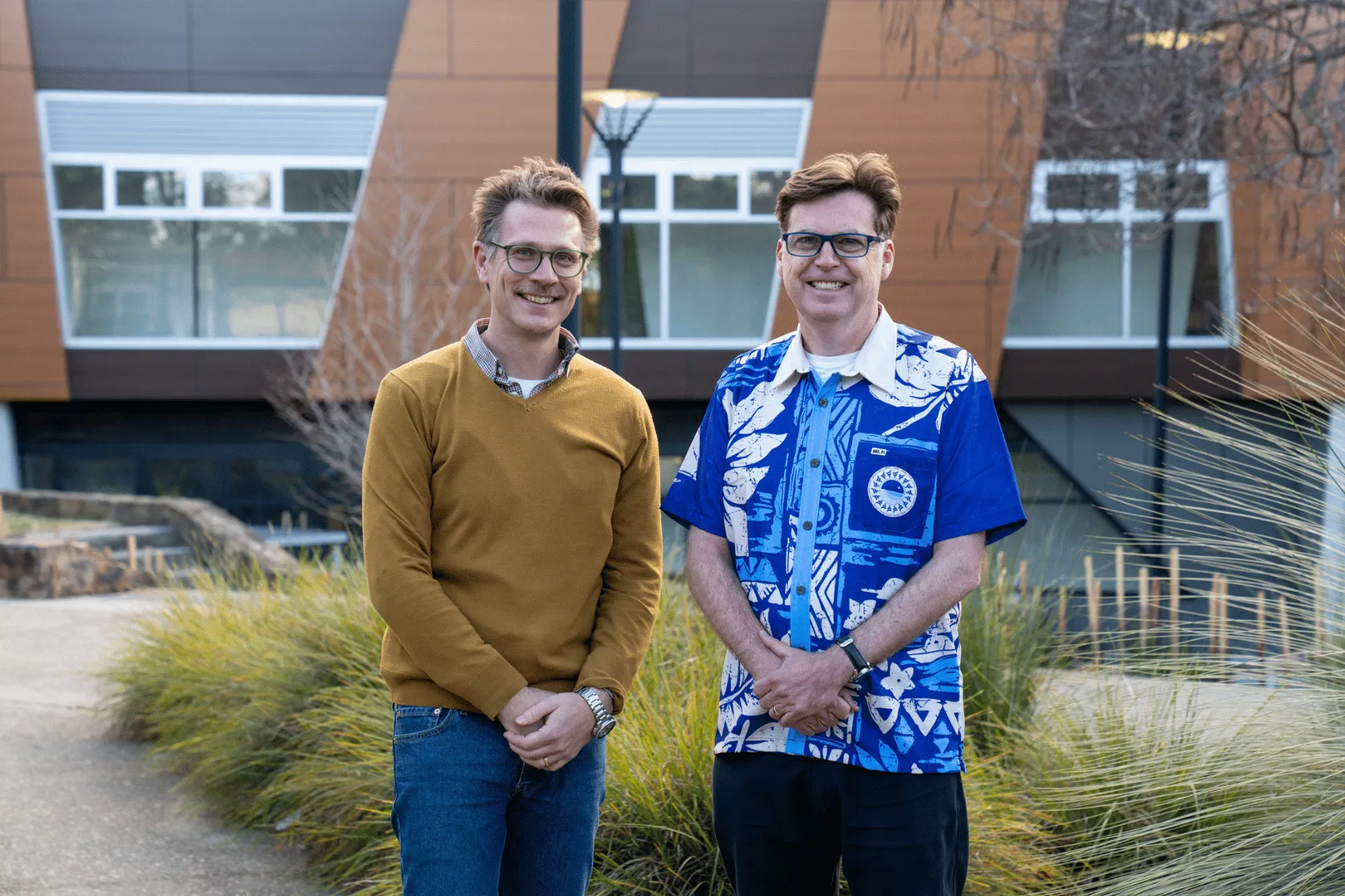
Led by Senior Pacific Fellow Joel Nilon and Research and Engagement Fellow Akka Rimon from the Pacific Security College, the workshop featured presentations from regional experts and national emergency response simulations.
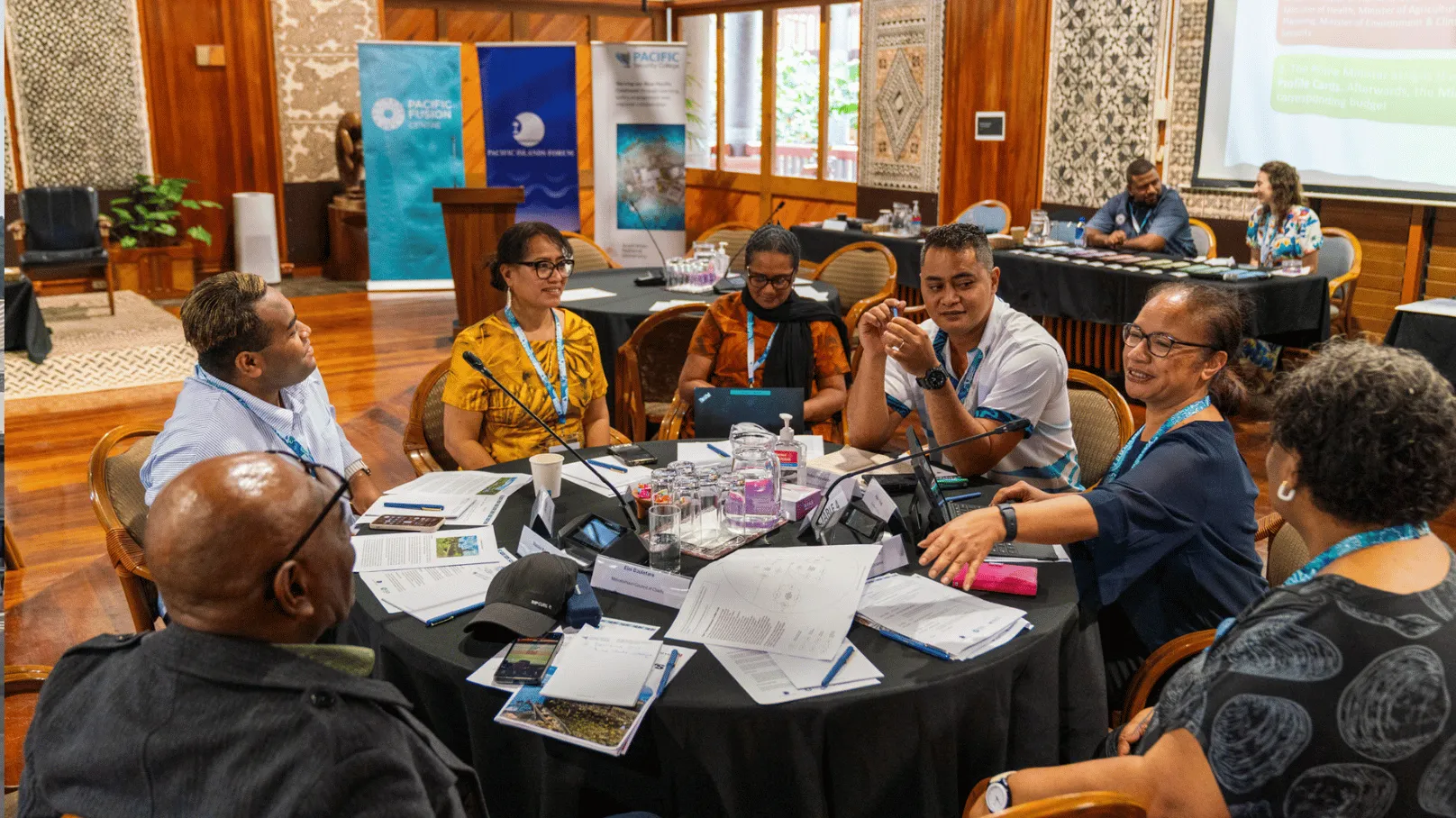
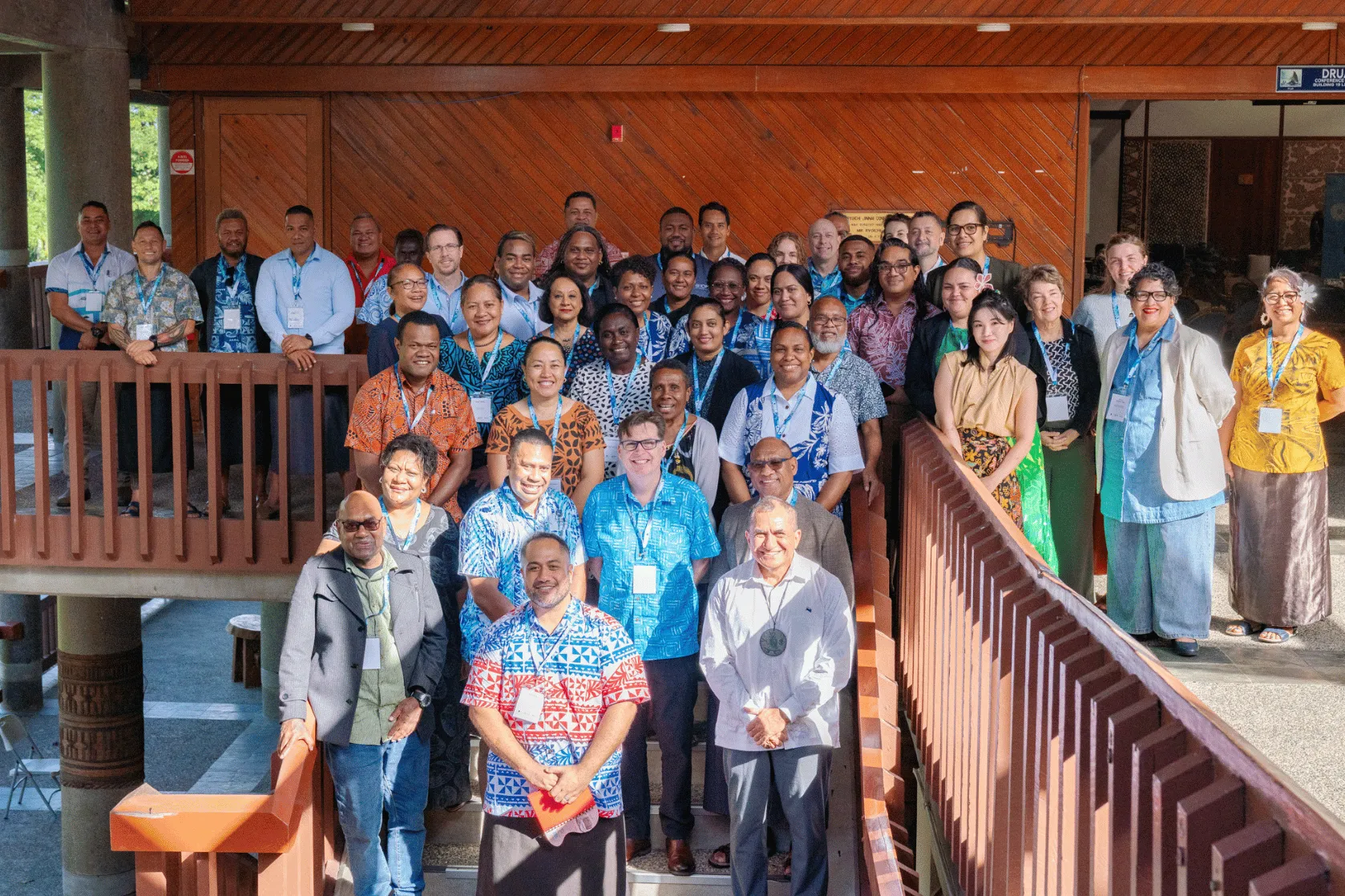
The workshop included presentations, discussions and group activities. Photo: Pacific Security College
Discussions progressed through multiple levels of responses, beginning with community perspectives on how climate impacts are experienced in villages and local contexts, before expanding to national-level strategies and, ultimately, regional coordination across the Blue Pacific.
“I think the participation today reflects the reality that climate security and its impacts are not issues for governments alone,” Pacific Fusion Centre Director Viliame Bovoro said.
“I hope that this workshop will provide the opportunity to engender the much-needed integration of different viewpoints, processes, thinking and constituencies that we all represent.”
The workshop helped delegates identify shared priorities and build connections ahead of the 2026 Pacific Peace and Security Dialogue.
Emphasising the workshop’s cross-sector nature, Pacific Security College Director Professor Dave Peebles described it as a rare opportunity to bring together diverse voices from across the Pacific – calling it a “grand experiment” to explore what can be achieved through shared dialogue.
“We’ve got a lot of different expertise in the room, and a lot of people from different parts of the Pacific, in different sectors of the Pacific,” he said.
“This meeting is about bringing everyone together and seeing where the conversation takes us.”
The 2026 Pacific Peace and Security Dialogue, the region’s largest gathering of the security community, begins in Suva on Monday 15 June.