Not just another day on the tools: working towards inclusive energy in the Blue Pacific
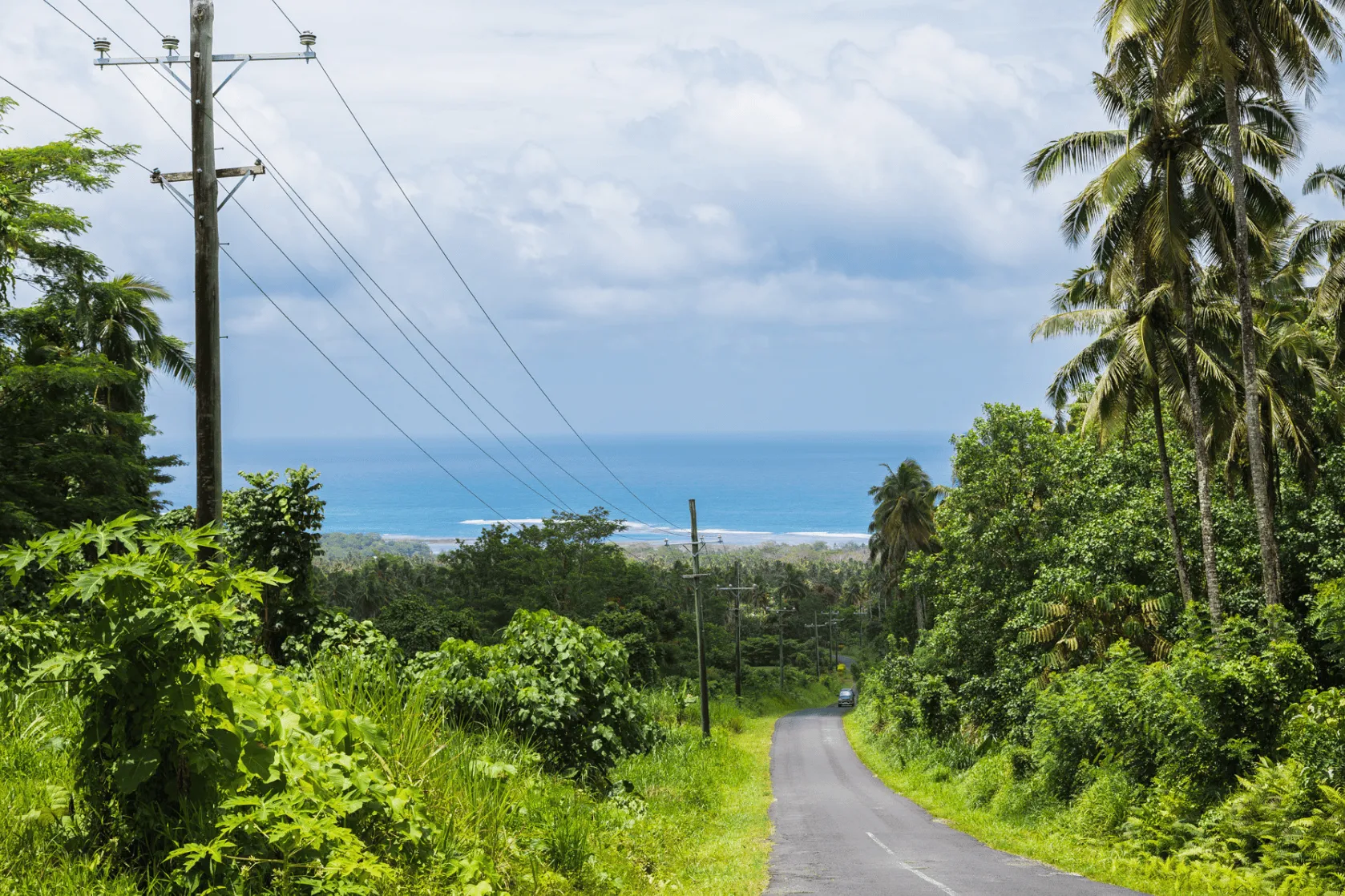
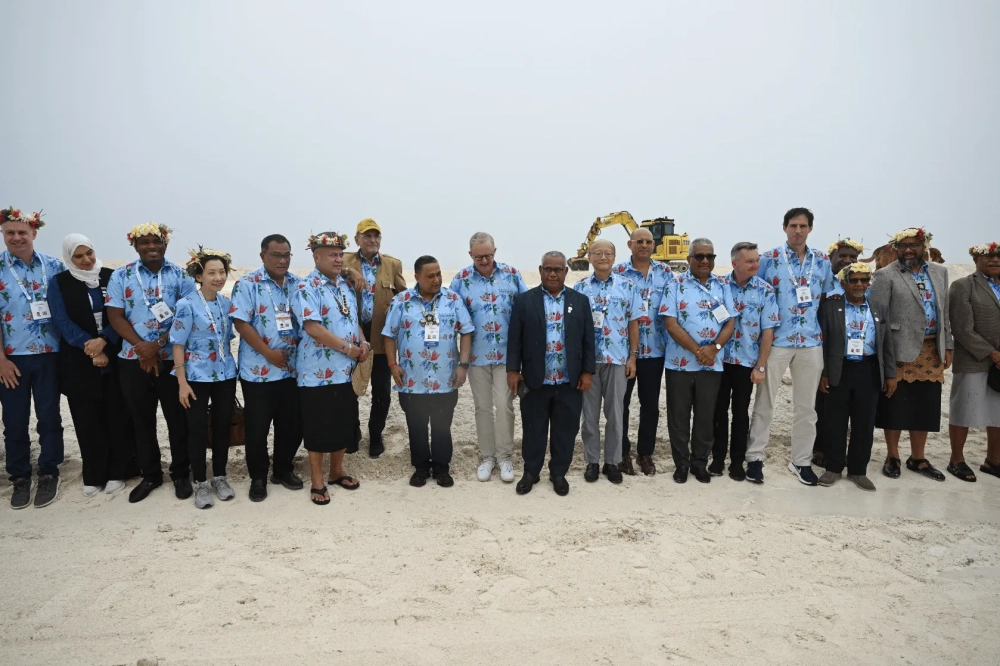
The energy crisis affecting countries around the world highlights the importance of energy security. Photo: Pacific Security College
The energy crunch flowing from the latest war in the Middle East underscores again the importance of energy security and a rapid, orderly exit from fossil fuels.
Energy security is particularly salient for Pacific Island countries, whose energy planners have long grappled with questions of scale, cost, reliability and resilience.
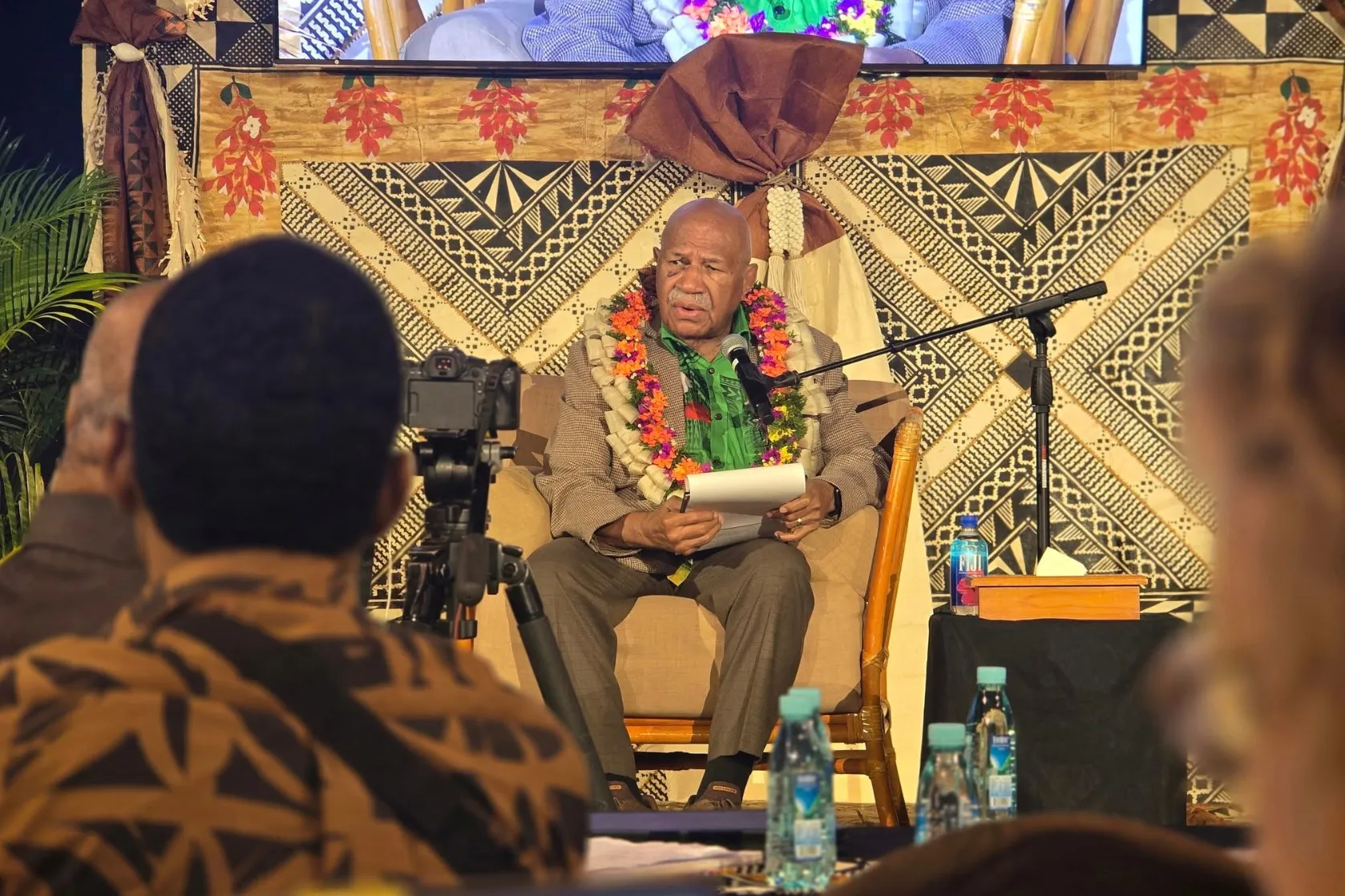
These questions are even more urgent now. Leaders of the Pacific Islands Forum’s ‘troika’ of incoming, presiding and outgoing chairs (Palau, Solomon Islands and Tonga) have invoked the 2000 Biketawa Declaration, calling for a ‘coordinated high-alert framework’ to respond to the current crisis.
In this context, the Pacific’s ambitious renewable energy targets serve urgent economic, as well as environmental and political ends – even if their impact will not always be felt immediately. Renewables, if implemented wisely, have the potential to bolster the region’s energy security, as well as reduce its (already low) emissions and bolster the Pacific’s moral leadership on climate change.
Yet there is a growing body of evidence suggesting the transition to renewables must be just – that is, equitable and inclusive – to be effective. Meanwhile, studies of transitions elsewhere in the world have highlighted the harms that arise when renewable energy is rushed, imposed or extracted, including dispossession and violence.
Closer to home, the (more limited) literature speaks to significant implementation challenges. Concerningly, a recent report from the Asian Development Bank’s Pacific Private Sector Development Initiative suggests the growing share of renewables in Pacific energy systems has not put downward pressure on energy prices, and is unlikely to in the near future.
So how can we ensure that the regional energy transition is just and secure – in the expansive, Pacific sense of the term – as well as timely?
These questions lie behind a project at the Scientific Research Organisation of Samoa (SROS) investigating safer alternatives to prevailing but hazardous technologies like lithium battery storage. SROS’s aim is to assemble a functioning Edison (nickel–iron) battery ‘on island’ in Samoa, where high rates of electricity access obscure challenges with energy sustainability, reliability and affordability.
The questions also animated research into the lived realities of Pacific renewable energy projects as they are implemented. Together, this work finds not only that more equitable and inclusive renewable energy projects are possible in the Pacific, but they are already under way.
Reimagining renewables in Samoa
In a recently published paper, we reflect on our experiences with the SROS battery project and consider its implications for a more just Pacific renewables transition. Our analysis is informed by in-depth, ethnographic data tracking our interdisciplinary collaboration over several years. This is a novel contribution to energy social science, as there are relatively few studies of the social worlds of renewables projects, particular in the Pacific.
Importantly, the research provides a deeper understanding of the lived realities – and considerations, contestations, and (im)practicalities – as renewable energy projects are made and re-made ‘on island’.
Three insights are particularly relevant to policymakers engaging with the region’s renewable energy effort.
First, challenging the misunderstanding that energy (and energy projects) are the same everywhere, we found renewables projects in the Pacific are highly dependent on local, regional and global ‘practice landscapes’. These landscapes – essentially, explicit and implicit rules and procedures – are pervasive, influential and difficult to shift. Accordingly, they must be planned for.
Relevant rules and procedures include local cultural systems (crucially, these include Western technical cultures as well as Indigenous Pacific ones); lengthy supply chains; and onerous requirements that can distort projects’ aims and outcomes.
For example, contractual requirements often specify that donor nationals lead aid-supported environmental research. Such requirements can undermine the effectiveness of specific research initiatives and of wider development efforts.
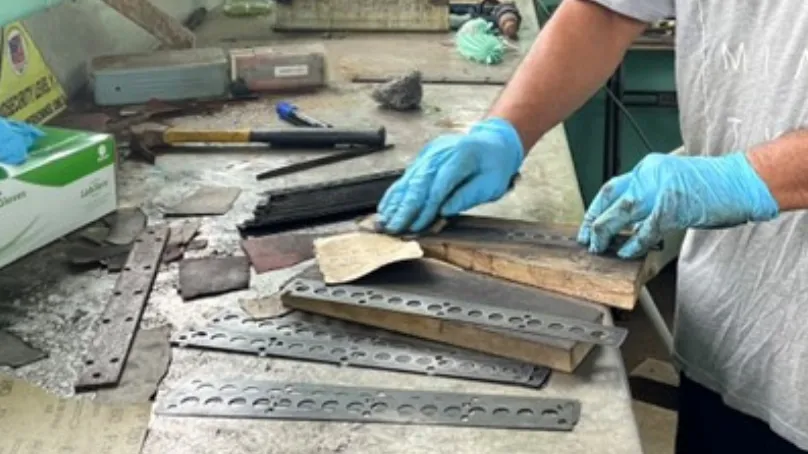
The Scientific Research Organisation of Samoa (SROS) is investigating safer alternatives to hazardous technologies lithium battery storage. Photo: Supplied by author
A second insight concerns the ways in which the work of energy professionals in the region is shaped by diverse ‘practical understandings’. These understandings include habits, assumptions, implicit or bodily knowledge, or what is sometimes referred to as ‘know-how’, or ‘feel for the game’.
The professional practical understandings in the Pacific can differ greatly from those in Western technical contexts. Some, especially holism (for example, system thinking) and environmental intimacy (the recognition that humans are part of their ecological niches), might help renewables professionals – and not just in the Pacific – to expand narrower conceptions of the technology.
Notably, as well as energy insecurity, SROS staff hope their battery project will, with other initiatives, help address insecure access within Samoa to quality food, water, technology, and data – insecurities which are understood as similar symptoms of wider global inequality.
The final insight is that collective ‘practice traditions’ – shared orientations like codes of practice, values and ideologies – are both enablers and constraints for Pacific renewables projects.
One orientation common among energy professionals is hegemonic masculinity, evident in the assumption science must be difficult to be worthwhile. Another, is that of ‘techno-optimism’, and the related tendency to prioritise technology now, details later. Yet, as one professional told us, these overlooked details include local capacity and, critically, “the effects of technology on society.”
By contrast, the SROS battery is an attempt to embody an alternative, more inclusive orientation: one of connection and care. This relational care – in Samoan and Tongan, teu le vā and tauhi vā, respectively – is a central Pacific practice tradition that may have the potential to transform other, less careful approaches to the regional renewables rollout.
Wayfinding an inclusive energy transition
It’s increasingly understood that culture can be an enabler of climate ambition, as well as an impediment to it.
Our research sets out one possible model of a more human-centred energy transition. While still in the prototype phase, and not without its challenges, SROS’s project was Pacific-owned and controlled from the outset and designed from the ground up to suit its unique social and environmental contexts.
Further research is still needed on inclusive climate action in the region. This could usefully consider examples from other countries and contexts, including community energy initiatives, and whether, noting the region’s diversity, any good practice principles are discernible. Urgent work is also needed to better align existing support for decarbonisation with the needs and aspirations of Pacific peoples.
Future climate projects, and their constituents, would certainly benefit from more relational care.
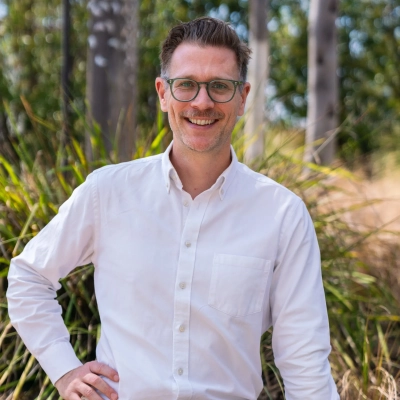
Hugo Temby is a research fellow at the Pacific Security College, where his work investigates the social dimensions of the energy transition in Pacific Island countries.
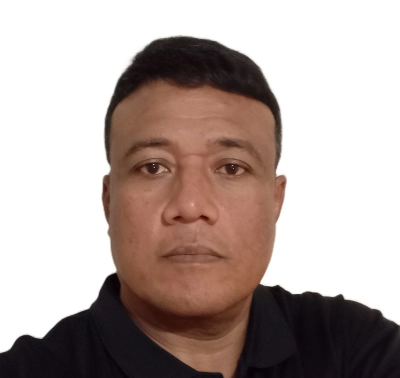
Faafetai ‘Tai’ Kolose leads energy storage research at the Scientific Research Organisation of Samoa (SROS), and is a PhD candidate at the University of Newcastle.
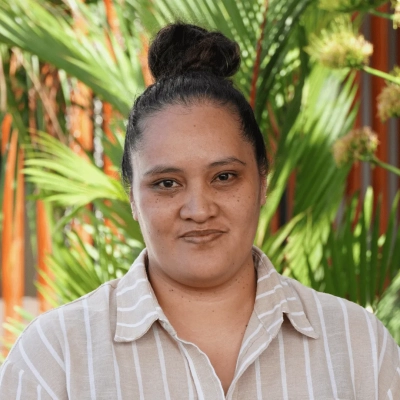
Toleafoa Annie Tuisuga heads the Environment and Renewable Energy Division at SROS, which aims to research, develop and implement solutions that address environmental challenges and promote sustainable energy practices in Samoa.
Views expressed via the Pacific Wayfinder blog are not necessarily those of the Pacific Security College. Read our publishing policy.