From policy to people: bridging the gap in Pacific security
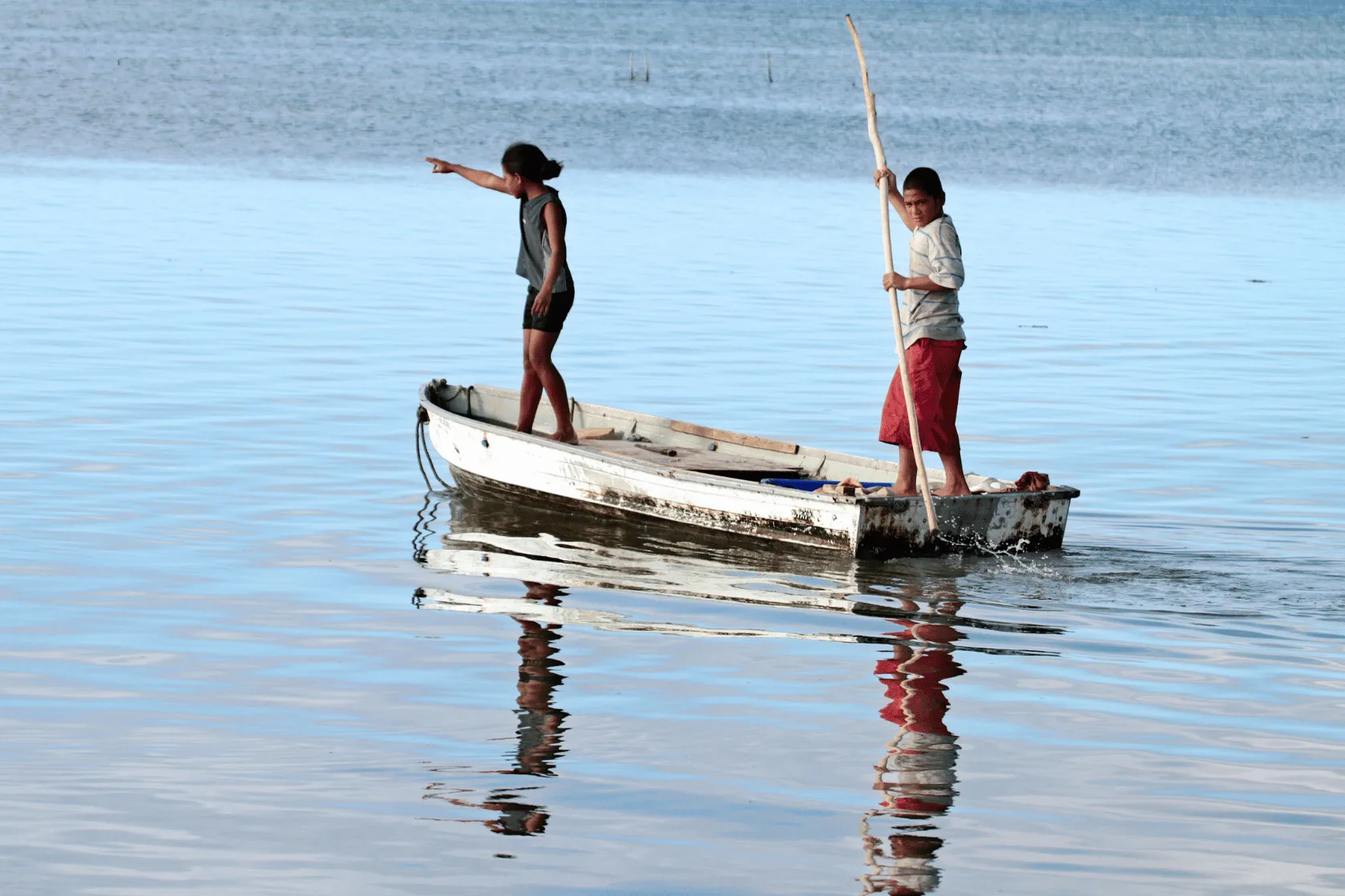
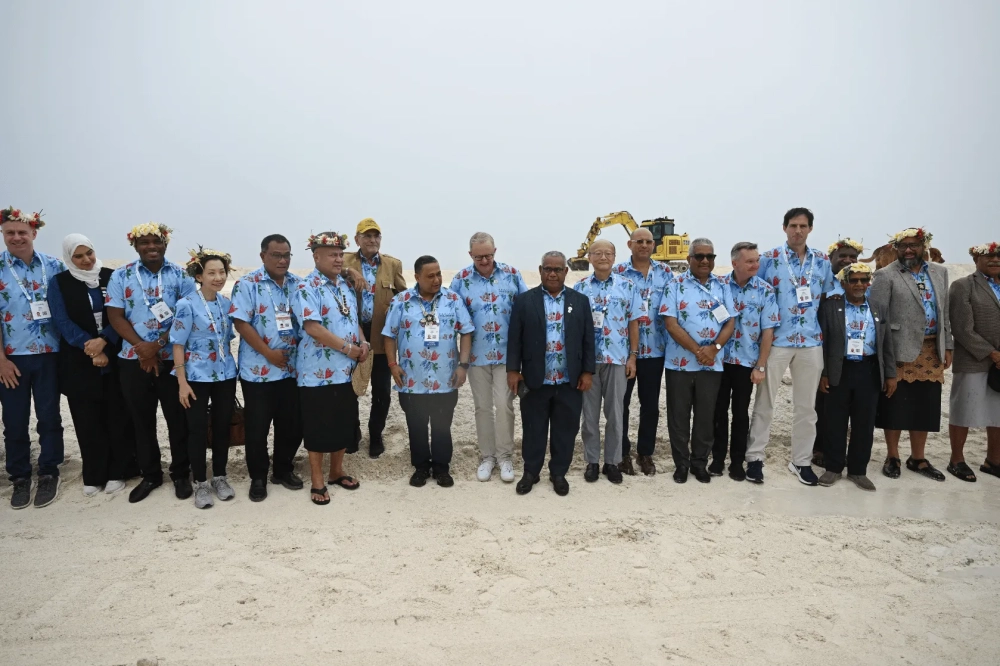
Decision-makers need to bridge the gap between policy development and communities to help build a safe and resilient region in 2050. Photo: Asian Development Bank/Flickr (CC BY-NC-ND 2.0)
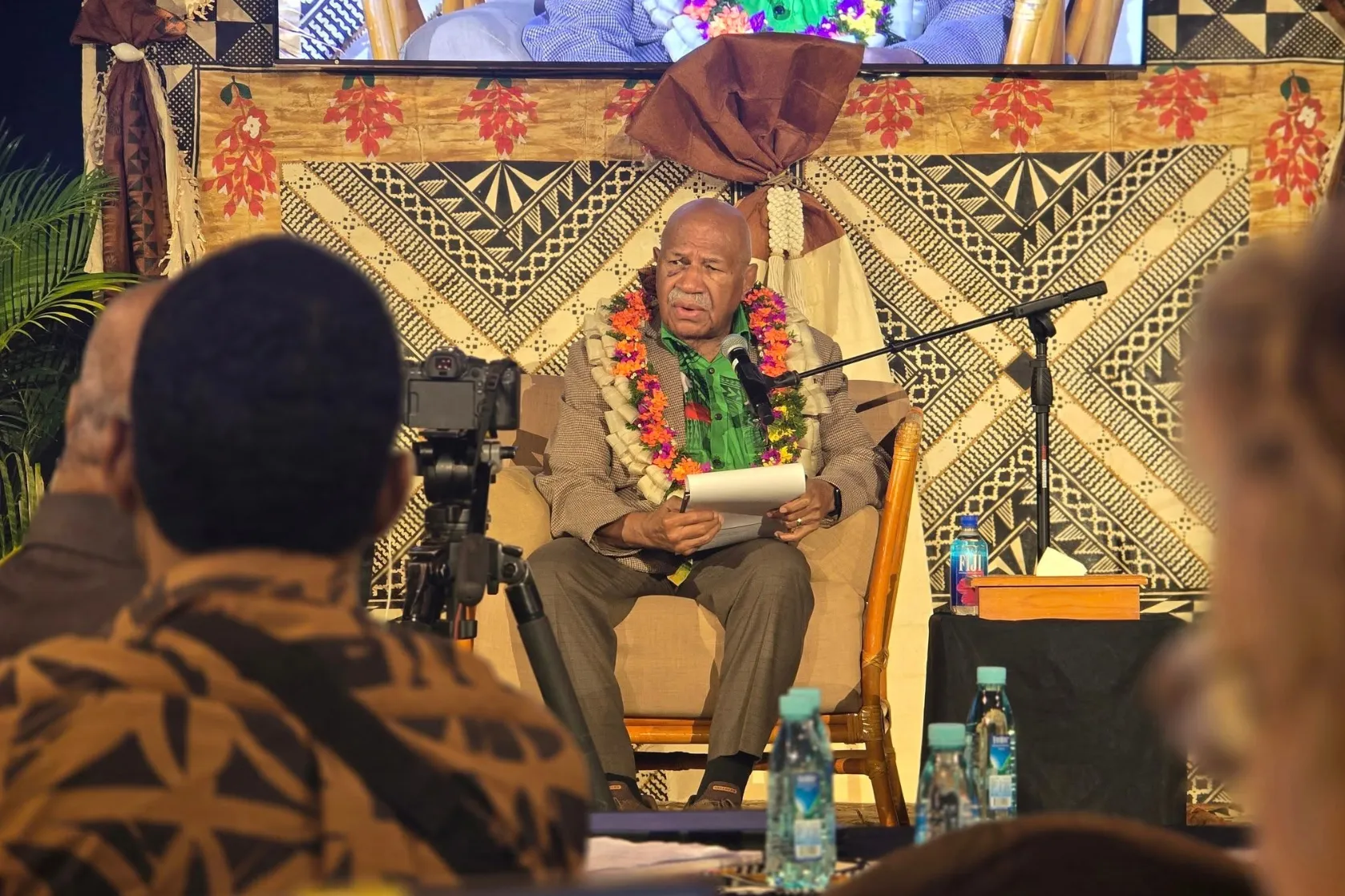
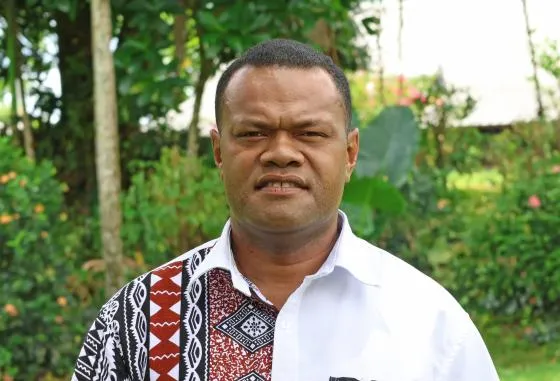
In a provocation at the 2026 Pacific Peace and Security Dialogue, Neumi Vakadewabuka urged that people remain at the heart of the region’s peace and security policy development and decision-making.
2050 is not too far away.
My son, Junior, will be 24 years old in 2050.
As guardians of a future generation, we hope and work that they will have a bright future.
For this to happen, we must strengthen our efforts to address opportunities for peace first, before criminal and security prosecution. This is the basic definition of peace and security.
Peace must be secured first before we deal with the back end of criminal activities and security prosecution.
We must enable Pacific people to put healthy food on the table before dealing with national healthcare challenges and criminal activity management.
Many do wrong just because they were hungry.
If you look at all these big frameworks, all these challenges that we are trying to address, we must, in the fastest time possible, think, test our own mental ability and our organisational capacity. What does this policy mean? How will it affect the common people? What are the needs of the common people?
Sometimes we just get too stuck in our processes and forget what doing that quickly and correctly will mean for the people down the line.
This morning at 5am I woke up with a thought. I looked around and I saw my wife and my kids sleeping cosily.
I was wondering: policy, security, regionalism. To them it was warmth, comfort in the cold, and they were sleeping, resting assured that I would always wake them up in time.
If we take those two contexts, the strategic and framework, and the brilliant minds that we have here, then bring it down to your family, to the common people, to our islanders, to our communities.
That is the big gap that we have to bridge.
So, whatever we are doing up here, put on the human security lens.
To realise this future, the future that we have commonly voiced over this dialogue, Pacific people must be at the centre of our system.
One system is the Regional Peace and Security Action Plan 2026-2030.
As part of its development, we consulted with Members, the Regional Council of Non-Government Organisations, regional agencies, faith-based communities, civil society organisations, the Gender Equity, Disability and Social Inclusion Group, and the Peace and Security Thematic Advisory Group.
We sought to distil these discussions into the major trends shaping Pacific peace and security, asking what global developments such as AI, technology and inflation mean for Pacific people.
What are the trends that are challenging us?
It is important that when you understand international trends, we bring it down to our own context.
How do we respond to AI? How do we engage young people increasingly drawn to social media over the wisdom of our elders? How do we respond when they question our assumption that we know best or should tell them what to do?
Those small conflicts, those are our megatrends. What do we do when we are trying to maintain our culture, but at the same time connect to these global trends?
There is a basic lesson in cybersecurity I studied in the University of New South Wales that the more you become connected, the more you also become vulnerable. So, what does that mean for us as a Forum, as a region? What does that mean for us today?
Those simple questions, though hard, are things that we must answer. Will there be enough food? Will there be enough shelter? Will there be enough water? Once we address these simple questions first, the bigger things will become easier. Address the key nuts and bolts first, then the engines larger system will work.
Sometimes we do not know what to ask for and we cannot define ourselves, but we want to get connected to the global systems.
Once we know who we are, where we came from, we will then know where we are going, and you we will know what to ask for.
But what do you do about it? Be bold: test your system locally. We have big organisations and regional agencies with varying operating systems. Where do you fit in? How well do you fit in? What are the gaps? Overlay them and how can they be solved? Take the time to do table-top exercises, open those frameworks, see what they mean. Bring in your respective agencies, or just your staff and your team, and run a scenario.
It does not have to take a category five cyclone or a man-made or natural disaster for us to realise that there are gaps in our systems. We have to learn to practise and test our systems internally.
Solutions exist. Just as the stars and sun guided our ancestors, our shared values and evolving regional architecture can guide us today, grounded in our common home, Mother Earth. Our leaders’ commitment to regionalism and respect for sovereignty, family values, mutual learning, affordable local solutions and support from partner agencies can help bridge our development gaps.
Bringing all of this together and believing in our Pacific will remind us in this day and age that though we are many, we are one.
Neumi Vakadewabuka is a Policy Adviser – Regional Security at the Pacific Islands Forum Secretariat. This article is a lightly edited version of an address delivered at the 2026 Pacific Peace and Security Dialogue.
Views expressed via the Pacific Wayfinder blog are not necessarily those of the Pacific Security College. Read our publishing policy.