Setting the new Pacific renewables commissioner up for success

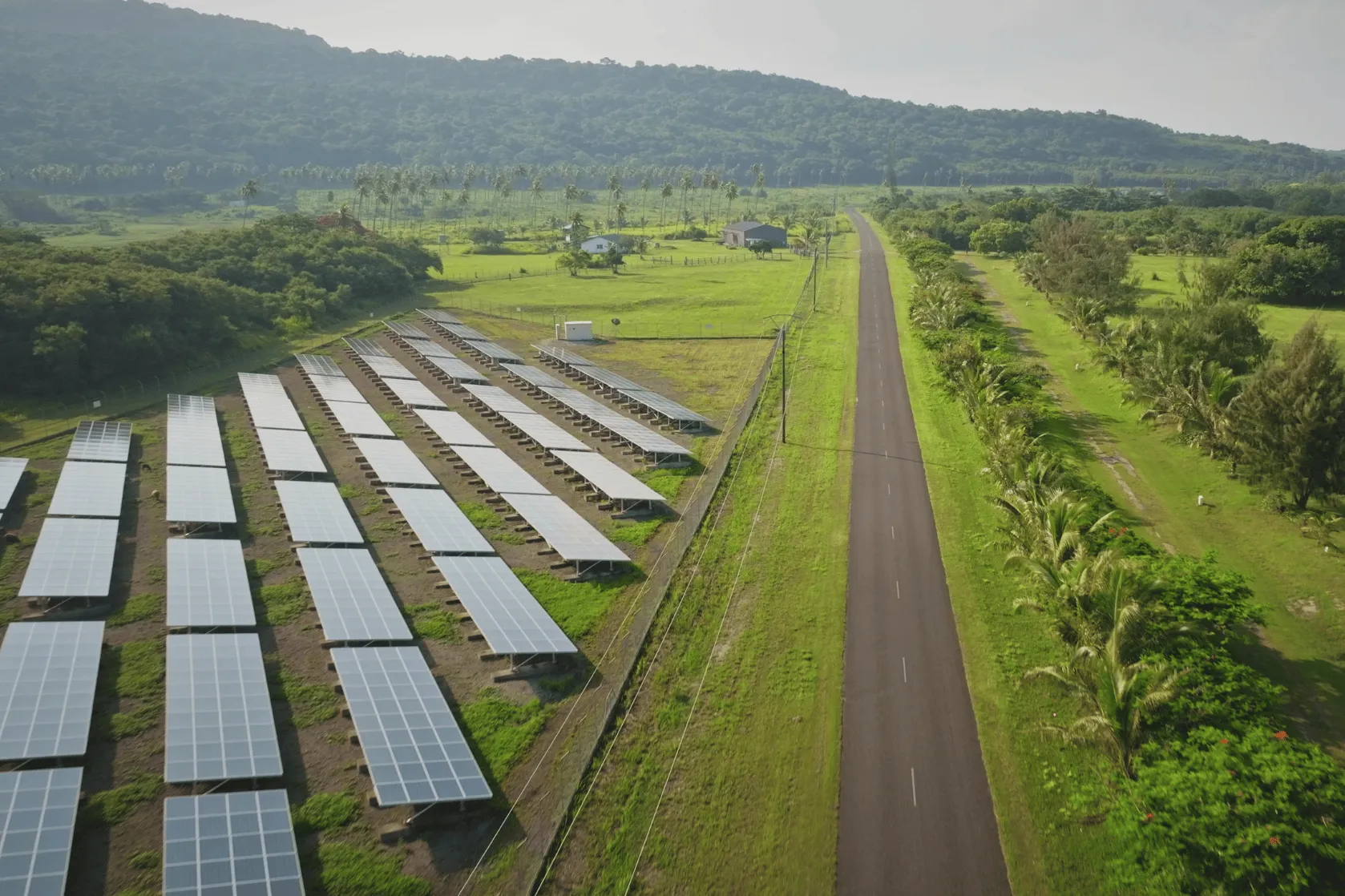
The proposed Pacific energy commissioner should be able to help Pacific Island governments to secure the region’s energy supply. Photo: stock.adobe.com
The proposed new energy commissioner should help Pacific Island governments secure the region’s energy supply. When shaping the role’s terms of reference, Hugo Temby urges, Pacific leaders should aim high.
Spurred by the ongoing chaos in global energy markets, Pacific officials are currently negotiating terms of reference for a new energy commissioner for the region. The intent is to finalise them at the 55th Pacific Islands Forum Leaders’ Meeting in Palau.
The proposed commissioner is a good idea on its face. With an appropriate mandate and sufficient resourcing, the commissioner should be able to help Pacific Island governments to secure the region’s energy supply.
As Pacific energy ministers agreed at a recent meeting in Port Moresby, “a 100% renewable energy future for the Blue Pacific [is] critical to achieving energy security, reducing vulnerability to external shocks and advancing climate and development priorities”.
But the Pacific’s renewable energy ambitions have not always translated into effective, equitable projects on the ground (or ocean) due to several persistent issues.
There is a widening gap between needed and actual investment, due partly to difficulties accessing finance, and partly to a lack of ‘shovel ready’ projects.
Projects that do secure investment must then overcome several delivery challenges, including during procurement and installation.
Once built, projects are often challenging to integrate, operate and maintain in Pacific contexts, with several projects operating well under their rated capacity.
And recent research shows that some projects have been rushed to completion with insufficient attention to the needs and aspirations of energy users.
But what could an energy commissioner do to help Pacific governments address these issues, and realise a more inclusive – and effective – energy transition? In an increasingly crowed policy space, the question needs careful consideration.
In a new policy paper published by the Pacific Security College, How an energy transition commissioner can secure the Pacific’s renewable energy future: cleaner power, with the people, I urge Pacific leaders to aim high.
Informed by a rapid review of comparable experiences, I suggest the role of the commissioner should be to provide independent energy advice to Pacific governments and – crucially – to Pacific communities and better coordinate the many organisations that aim to support them.
Their overarching objective should be to facilitate a more timely, and equitable, energy transition. They should focus on several priority areas including increasing investment, identifying and delivering innovative solutions, and promoting more sustainable management of energy assets.
Most of these touch on aspects of other agency’s work. Close coordination will be needed here.
There is much less existing work under the final priority area, advancing more inclusive approaches to project design and delivery. Here, the commissioner could work with University of the South Pacific and other experts as required to develop new models that increase Pacific peoples’ access to, ownership of, and benefits from renewable energy.
Fit-for-purpose governance arrangements will also be necessary.
I recommend a multi-year, untied funding contribution of FJ$18 million over four years, sufficient for the commissioner, a professional staff and a modest program budget.
Building on experience with the Pacific Ocean Commissioner, the new commissioner should report directly to leaders and join existing Council of Regional Organisations of the Pacific coordination mechanisms.
Leaders should also consider establishing a broad-based advisory body, modelled on the Pacific Ocean Alliance, to advise the new commissioner on emerging issues.
To build regional ownership, I suggest the new commissioner and their team make a concerted effort to connect with their wider constituency, including Pacific energy users such as householders and businesses, through deliberative Pacific methods.
The model for the new commissioner should also evolve over time in response to changing circumstances and stakeholder feedback.
Notably, leaders should consider in future whether to task the commissioner with an independent redress mechanism for community members who have been negatively impacted by energy infrastructure.
The respondents to the paper raise several important concerns.
Cherol Ala Ianna and Paul Munro insist the new commissioner must add to the region’s capacity – not detract from it through additional bureaucracy.
And Tolefoa Annie Tuisuga suggests there may be an implicit tension between the need for more deliberative and inclusive project design, as called for in the paper, and for a rapid regional response to the present fossil-fuelled shock.
These are excellent points and should be contemplated by Pacific leaders at their upcoming meeting.
But if we accept the current state of play is neither economically, environmentally nor politically sustainable, it follows that a more careful approach to renewables – as could be enabled by the new commissioner – could help, not hinder, regional energy security.
How an energy transition commissioner can secure the Pacific’s renewable energy future: cleaner power, with the people is the latest release in the Pacific Security College’s Policy Paper Series. The papers aim to contribute a diversity of views and ideas to the regional conversation about the journey to 2050.
Hugo Temby is a research fellow at the Pacific Security College, where his work investigates the social dimensions of the energy transition in Pacific Island countries.
Views expressed via the Pacific Wayfinder blog are not necessarily those of the Pacific Security College. Read our publishing policy.