Disability inclusion must be part of the Pacific’s path to peace
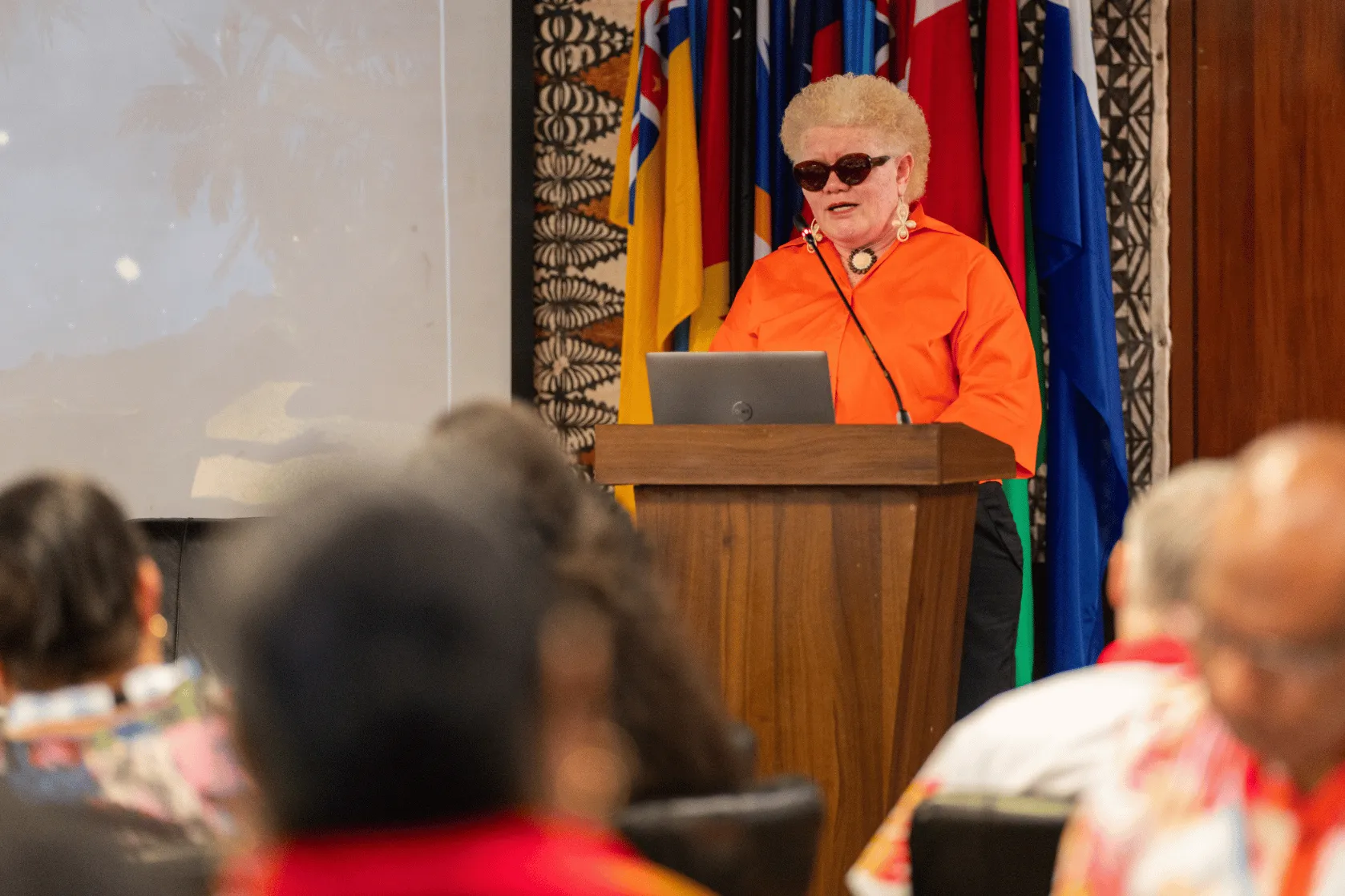
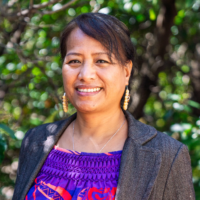
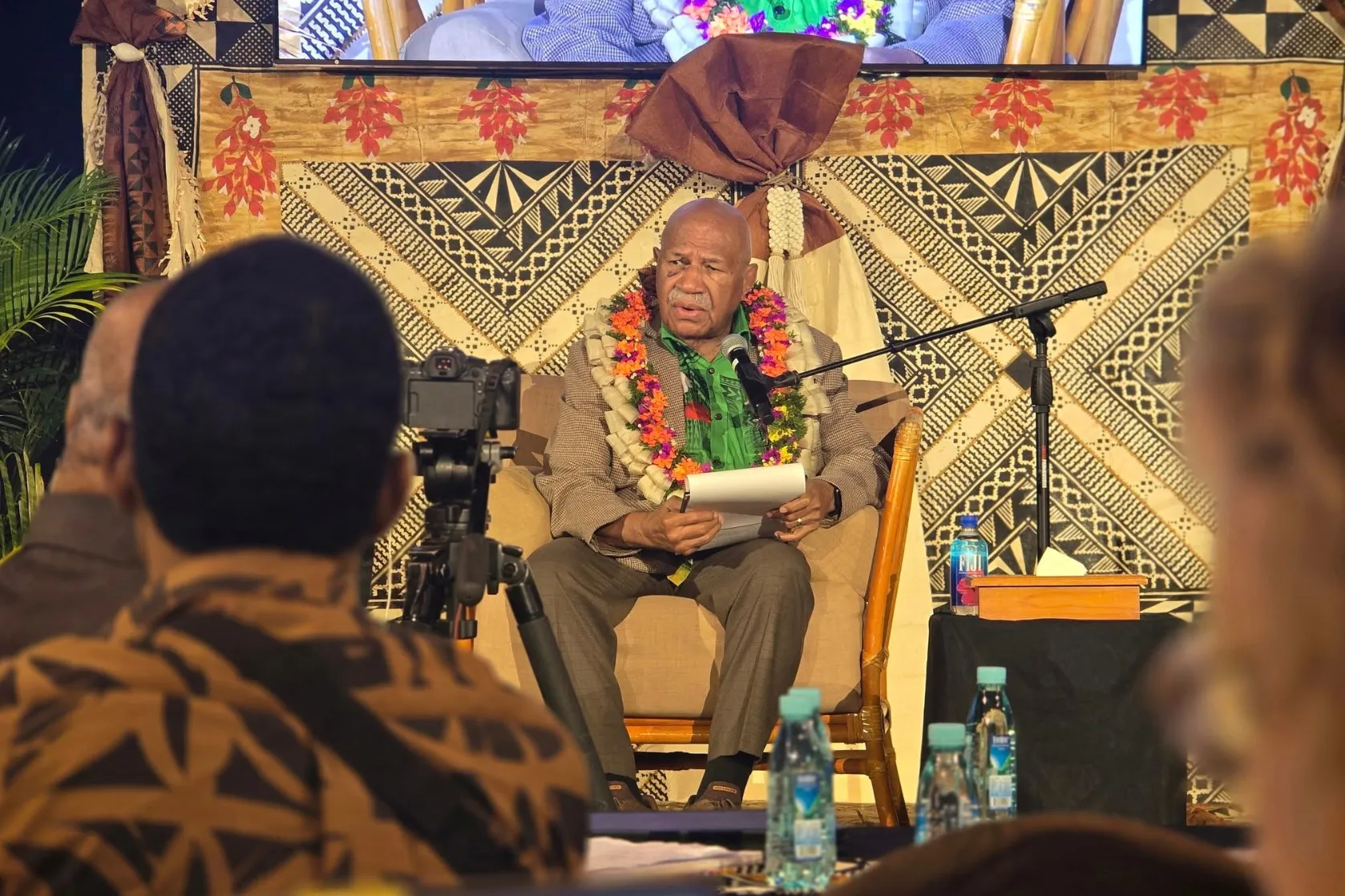
Sainimili Tawake speaks at the 2026 Pacific Peace and Security Dialogue. Photo: Pacific Security College
At the 2026 Pacific Peace and Security Dialogue, Sainimili Tawake offered a provocation on the future of peace and security in the Pacific, calling for persons with disabilities to be seen as central actors in shaping the region’s peace, security and development agendas.
I believe all of us want a future that is peaceful, resilient and inclusive.
We want a Pacific that embraces persons with disabilities and their issues, one where every person can live in dignity, safety, and with a lot of opportunities. But to realise that future we must ensure that persons with disabilities are treated not as an afterthought – they must be recognised as a central pillar to our peace and security agenda.
From the Pacific Disability Forum’s perspective, three things must happen.
First, we must embed disability equity and inclusion across the Blue Pacific 2050 agenda and all its processes, particularly within the peace and security space.
The 2050 strategy speaks to human security, climate resilience, inclusive development, and people-centered governance. Disability cuts across all these priorities. This means we must build inclusive disaster preparedness and response systems, invest in accessible infrastructures and services, recognise persons with disabilities as agents of peacebuilding, and ensure disability data is evidenced and reflected in every planning framework.
We must also recognise the growing burden of diabetes across the Pacific as both a public health challenge and a disability inclusion issue. Diabetes is increasingly contributing to preventable disability through amputation and vision loss, kidney failure, and other long-term complications, especially where early diagnosis, treatment, and foot care remain limited.
We need to scale up prevention, screening and early diagnosis at community level, expand access to affordable treatment, rehabilitation and assistive technology and services, invest in foot and eye care and kidney care, and ensure diabetes-related disability is reflected in health disability and social protection planning. Persons with disabilities who acquire diabetes must be effectively included in this prevention process.
We must also acknowledge the growing illicit drug crisis across the Pacific, particularly its impact on young people and on already stretched mental health services. Rising drug use is contributing to addiction, psychosocial distress, violence and contact with the justice system, while placing unsustainable pressure on psychiatric institutions and frontline health services.
This is also contributing to a rise in the number of persons with psychosocial disabilities, many of whom face stigma, exclusion and very limited pathways to support and recovery.
The challenge is compounded by the fact that there are only four organisations of persons with psychosocial disabilities across the region, leaving a significant gap in peer support, advocacy and community-based response.
Our response must be to strengthen prevention, early intervention and awareness for children, youth and families; expand access to community-based mental health addiction treatment and psychosocial support, and build stronger pathways to recovery, inclusion, and reintegration.
We must invest in organisations of persons with psychosocial disabilities, and coordinate law enforcement, health, education and social protection, so the burden does not fall on psychiatric institutions alone.
Second, we must fully implement the refreshed Pacific Regional Framework on the Rights of Persons with Disabilities. This framework is critical because it translates global commitments, including the Convention on the Rights of Persons with Disabilities, into Pacific realities. That means strengthening national implementation mechanisms, supporting organisations of persons with disabilities as key partners in governance, and aligning disability rights with our security and justice systems.
Third, we must invest in institutional strengthening of organisations of persons with disabilities. This sits at the heart of the Pacific Disability Forum’s new agenda.
Our proposed new strategy – with a vision for an inclusive and equitable Pacific that enables persons with disabilities in all their diversity to assert and enjoy their rights as outlined in the Convention on the Rights of Persons with Disabilities and other human rights conventions – places strong emphasis on strengthening national organisations of persons with disabilities, building regional coordination capacity, and advancing leadership of persons with disabilities, including women and youth.
Strong institutions are essential to peace, without them inclusion remains rhetoric, and rhetoric is not a reality.
Disability inclusion in a changing Pacific
Looking ahead, several mega trends will shape peace and security in the Pacific, and each has important implications for disability inclusion.
Climate change remains an existential threat. Intensifying disasters, displacement and growing pressures on fragile systems multiply the risks faced by persons with disabilities. Unless inclusion is built into every climate response, persons with disabilities will continue to be left behind during the impact of climate change.
Demographic shifts and urbanisation risk shaping our societies. Growing youth population and rapid migration to towns and cities create opportunity, but also increase the risk of exclusion, inequality and social tension if inclusion of persons with disabilities is not prioritised.
Digital transformation is opening up new forms of service delivery and participation, but if digital accessibility is not built in from the start, we risk creating a new layer of exclusion.
Geopolitical dynamics in the Pacific are shifting with increasing strategic competition and external influence in our region. In that context, our peace and security framework must remain Pacific-led, inclusive and grounded in community resilience.
Lastly, our understanding of security itself is evolving. Security is no longer only about borders, it is about human security, social cohesion, inclusion and equity. Disability inclusion must therefore be seen as central to the broader security agenda.
A path to peace for all
We like to say that the Pacific is a region of peace; that we hold a strong vision for the future. We also have real concerns that demand urgent actions.
- One major concern is the persistent invisibility of persons with disabilities. Despite repeated commitments, they remain underrepresented in decision-making and are often excluded from peace and security dialogue.
- A second concern is weak institutional capacity. Without strong institutions, policies are not implemented, and rights are not realised. That is why institution strengthening is at the heart of the Pacific Disability Forum strategy.
- A third concern is that climate and disaster responses are still too often not inclusive. We continue to see evacuation centres that are inaccessible and early warning systems that do not reach everyone.
- A fourth concern is the continued gap in data. We cannot plan for inclusion if persons with disabilities remain statistically invisible.
- And finally, we are concerned about the risk of widening inequality as the region develops. Those already marginalised may fall even further behind if we do not act deliberately and inclusively.
As we look to the future, several questions warrant reflection.
Are we truly including persons with disabilities at the decision-making table, or are we still consulting only after decisions have already been made?
How are our peace and security frameworks measuring inclusion and equity in practice? Are our disaster and security systems designed for the most vulnerable or for an average citizen who does not, in fact, exist?
What would it take to ensure every early warning system reaches every person?
Are we investing enough in organisations of persons with disabilities and institutions of governance and peacebuilding?
How can regional mechanisms better support national level capacity and leadership?
And if the Blue Pacific is truly about collective stewardship, who is still being left behind, and why?
The future of peace and security in the Pacific will not be secured by infrastructure or policy alone. It will be secured by strong and inclusive institutions, by empowered communities, and by a collective commitment that no Pacific Islander, especially persons with disabilities, is left behind.
The refreshed Pacific Regional Framework on the Rights of Persons with Disabilities, which is the Pacific Disability Forum’s own strategy, has given us a road map. Now our task is implementation with urgency, with integrity and with inclusion of persons with disabilities – they must be at the centre of all these processes.
Sainimili Tawake is the CEO of the Pacific Disability Forum. This article is a lightly edited version of an address delivered at the 2026 Pacific Peace and Security Dialogue.
Views expressed via the Pacific Wayfinder blog are not necessarily those of the Pacific Security College. Read our publishing policy.