Unpacking security in the Pacific through a mobility lens
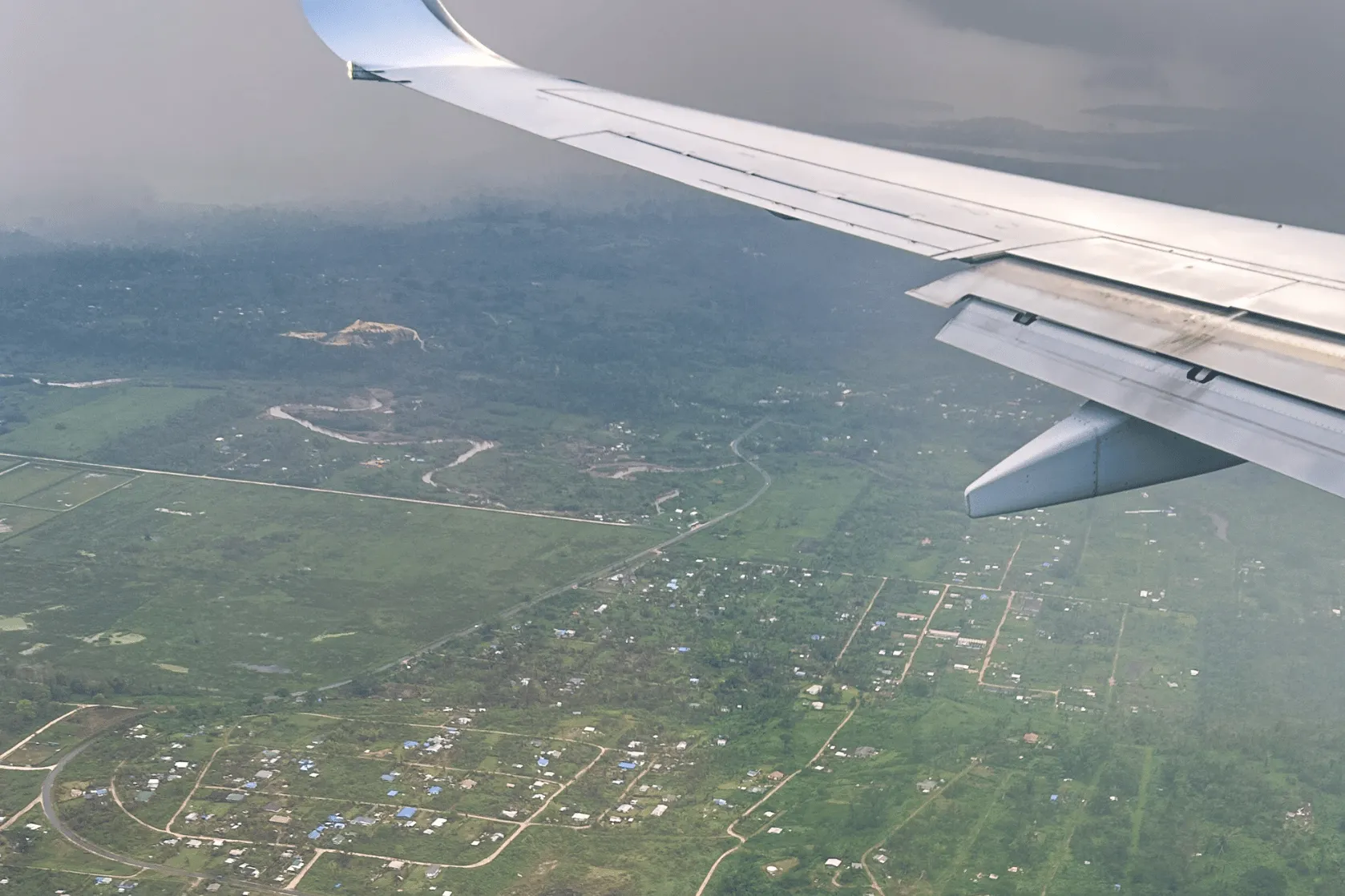
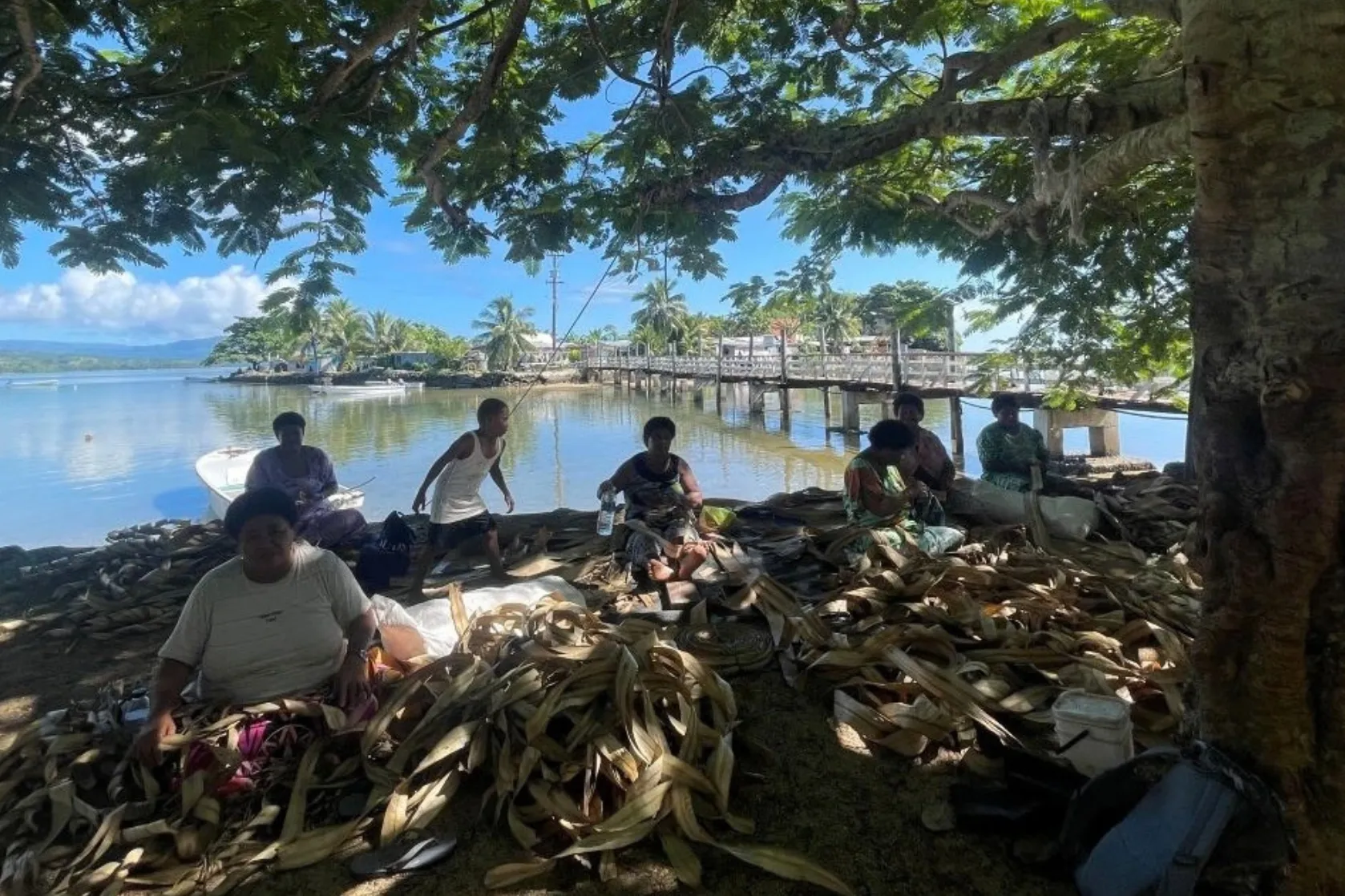
Mobility has emerged as one of the security’s most contested dimensions. Photo: Pacific Security College
A recent discussion on regional mobility highlighted the need for mobility pathways that uphold dignity, protect sovereignty and expand opportunities for Pacific peoples, writes Dr Akka Rimon.
Security in the Pacific is increasingly defined by climate pressures, socioeconomic shifts and environmental changes—forces that are reshaping daily realities across the region. Within this evolving landscape, mobility has emerged as one of security’s most contested dimensions: who moves, how, why and under what conditions. It sits at the heart of regional debates, acting as both a connector and a source of tension across communities.
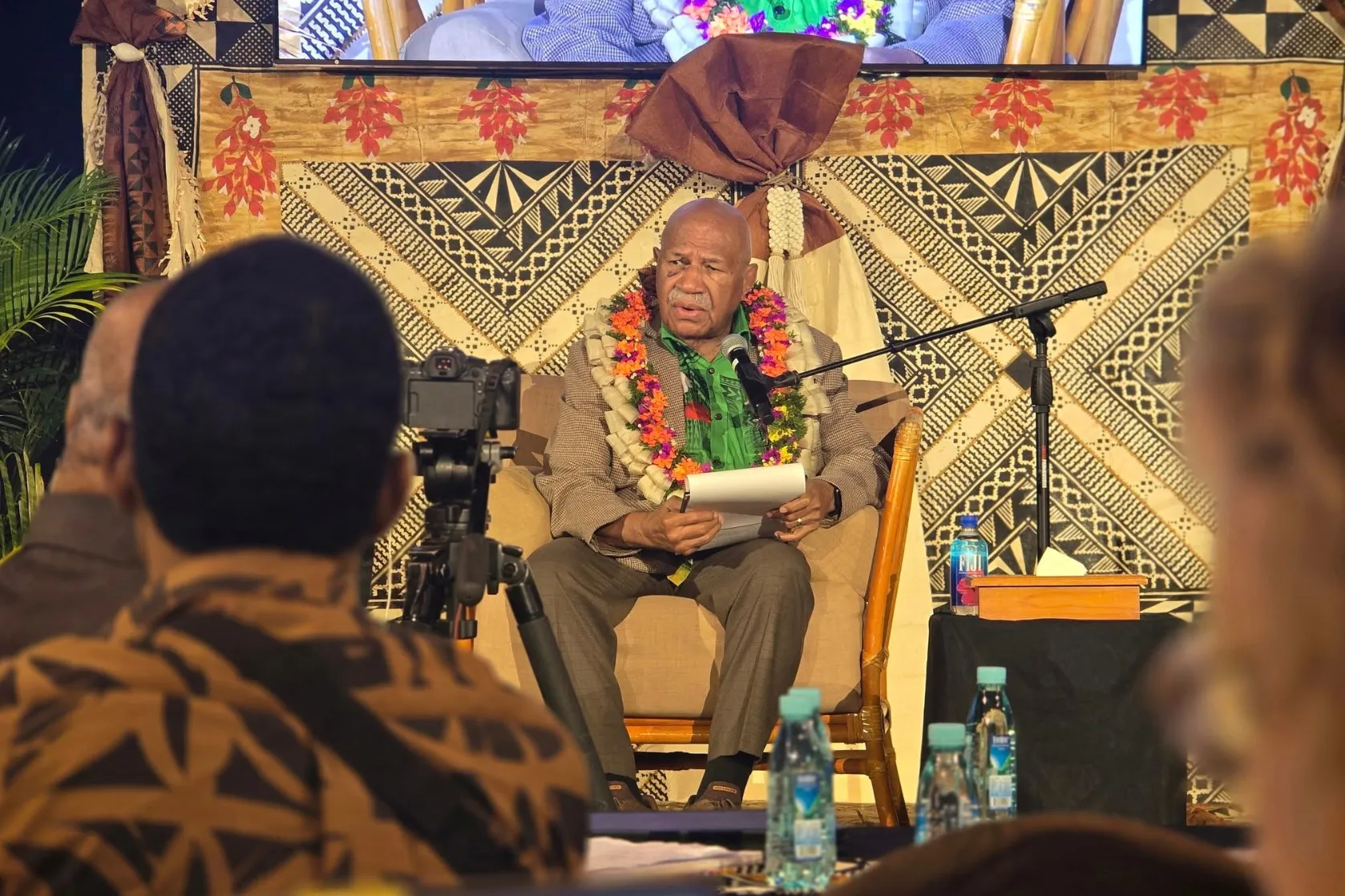
This topic anchored a panel at the 2026 Pacific Peace and Security Dialogue, featuring the Hon Simon Kofe, Tuvalu’s Minister for Transport, Energy, Communication and Innovation; Professor Yvonne Underhill-Sem of the University of Auckland; and Dr Henrietta McNeill-Stowers from the Australian National University.
Together, the panellists explored mobility’s deep cultural and historical roots, and its growing relevance amid labour migration, demographic change and climate change impacts.
The drivers of mobility today
Opening the discussion, Minister Kofe said that Tuvalu mobility today is shaped by longstanding pressures—environmental stress, resource scarcity, and aspirations for better education and employment opportunities – which have driven movement across generations and created structural issues the country must confront.
Professor Underhill-Sem highlighted an often-overlooked driver: curiosity, which shapes movement between villages and islands as an integral part of Pacific life. She pointed to the legacy of service-based mobility, particularly through wartime deployments, which have leaving lasting imprints on regional peace and security. Today’s mobility patterns, she noted, are more gendered with increasing participation of women while impacts of mobility are also being experienced in distinct ways.
Dr McNeill-Stowers reframed mobility through the lens of return, arguing that dignified mobility must encompass the ability to return home. Her research on deportations demonstrates that rising nationalism, stricter border regimes and coercive deportation practices have made return mobility a critical security concern requiring a whole-of-nation reintegration approach.
Staying or leaving?
At the 2026 State of the Pacific conference earlier this year, former prime minister of Samoa Fiamē Naomi Mata’afa posed the question of whether countries were creating conditions that enabled their people to have meaningful lives at home.
Responding to this provocation, Professor Underhill-Sem cautioned against the uncritical use of the Triple Win narrative in labour mobility. Drawing from her research across the region, she said that while remittances and returning skills have transformed communities, the inequities in schemes like New Zealand’s Recognised Seasonal Employer (RSE) program concentrate opportunities, fracture social cohesion, and risk allowing governments to neglect building viable economies at home.
Dr McNeill-Stowers extended this discussion by foregrounding the structural implications of large-scale outward mobility, noting that remittances must be understood alongside labour shortages, service gaps and vulnerabilities that arise when essential workers are overseas, especially during crises.
Minister Kofe positioned the provocation as a reminder for Pacific leaders to make home environments more attractive and viable, clarifying that the Falepili Treaty aims to expand choices rather than facilitate escape. He emphasised the need for incentives to retain skilled workers, pathways for diaspora return and innovations like the Digital Nation initiative to enable meaningful participation in national development from afar.
Protecting identity and belonging
The Pacific Guidance on Internal Planned Relocation emphasises that relocation must be people-centred and rights based, and that land issues must be resolved in ways that protect identity and belonging. The speakers agreed the guidance reflects core Pacific principles such as people-centred decision making, protection of rights and the safeguarding of identity and land, but each stressed that applying these principles in practice is far more complex.
Professor Underhill-Sem attests that mobility and land have long been negotiated and relational, with communities historically moving in response to environmental and political change, making planned relocation inseparable from deeper histories of belonging.
Rights-based, people-centred approaches must apply to all forms of mobility, said Dr McNeill-Stowers, noting that most movement is internal, unplanned and driven by necessity. Communities overwhelmingly want to remain connected to place, requiring community-led decisions and strong support systems, she said.
Minister Kofe emphasised that people must remain at the heart of any relocation or mobility policy, highlighting the cultural shock of moving abroad. He described the Digital Nation as a practical tool for safeguarding identity, heritage and continuity for Tuvaluans across generations and geographies.
Security and mobility
While mobility has long shaped Pacific politics, recent bilateral security agreements are now reshaping mobility in new ways.
Dr McNeill-Stowers emphasised the need to distinguish new agreements, emerging since 2017 amid heightened geopolitical competition, from longstanding frameworks enabling migration such as the Compact of Free Association or New Zealand’s free association with the Cook Islands and Niue. She said mobility was increasingly used as a bargaining tool and noted that Pacific leaders have consistently called for easier visa access. As a result, mobility provisions have become leveraged in new security deals, from Tuvalu’s Falepili Union to Vanuatu’s Nakamal Agreement, and even the expansion of Solomon Islands’ Pacific Engagement Visa share. She highlighted the Falepili Union as a model that enables dignified mobility, without requiring proof of climate harm.
Minister Kofe offered insight into Tuvalu’s negotiations over the Falepili Treaty, acknowledging early concerns about sovereignty, but explained how these were resolved through an explanatory memorandum that ensured national interests remained protected.
In sum, the discussions made one thing clear: that mobility is a continuum shaped by opportunity, risk, climate pressures, labour demands, demographic change and shifting geopolitics.
As the region confronts new mobility frameworks, amid emerging security agreements and intensifying economic and climate shocks, the challenge is not choosing between staying or leaving, but continually reviewing mobility settings to determine how security can be achieved through present day movement that upholds dignity, protects sovereignty, and strengthens futures Pacific peoples seek for themselves.
Dr Akka Rimon is a Research and Engagement Fellow at the Pacific Security College. This blog draws on insights shared during a panel on mobility at the 2026 Pacific Peace and Security Dialogue. A recording of the panel discussion is available here.
Views expressed via the Pacific Wayfinder blog are not necessarily those of the Pacific Security College. Read our publishing policy.


Great piece by Dr. Akka. Adding onto this is the underlying efforts of Pacific Governments to improve economic well-being of its citizens left behind by the impact of COVID 19 and the current war, leaving most Governments vulnerable to raising costs in the region.