Dignity must play a key role in Pacific migration pathways
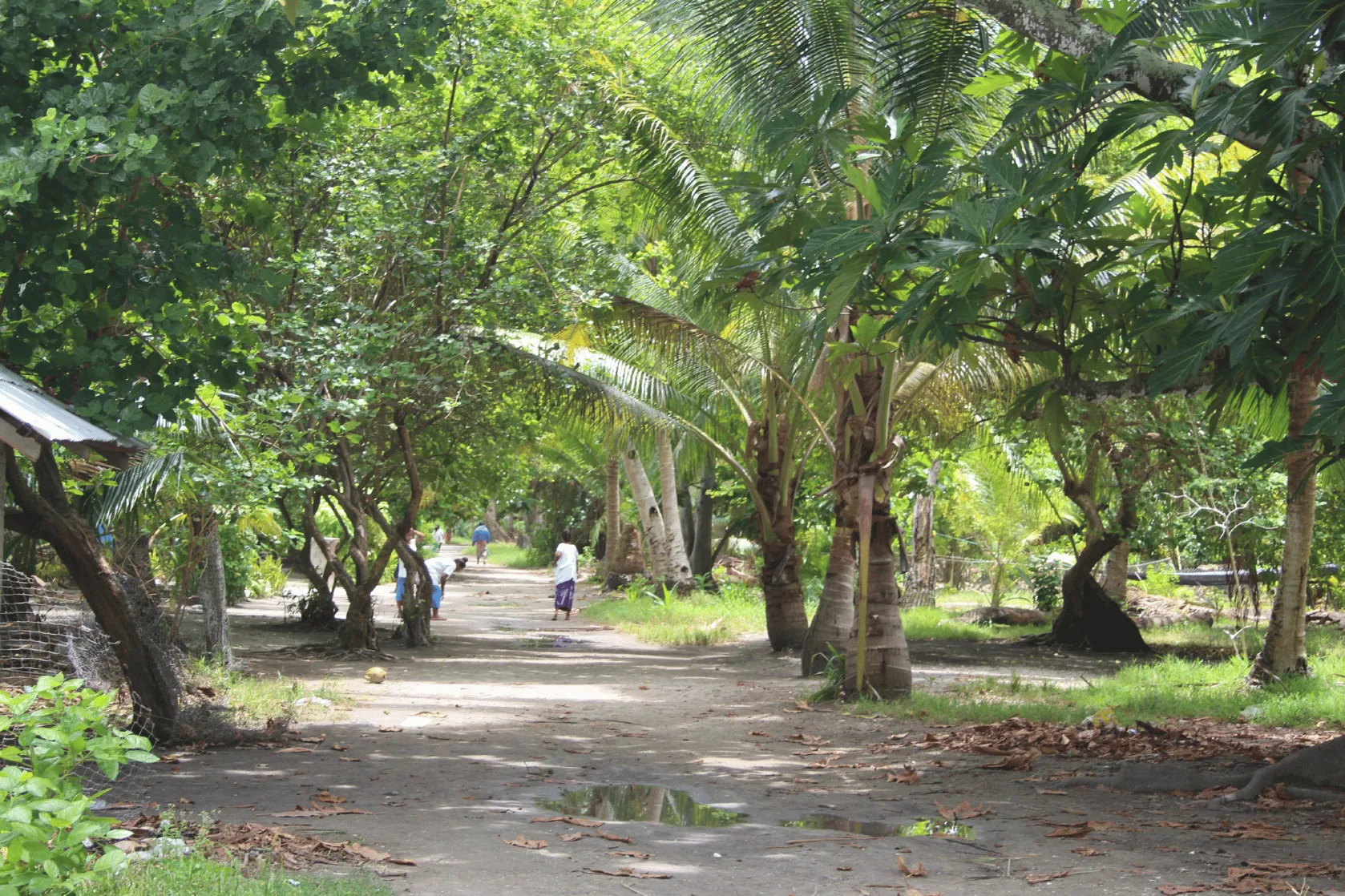
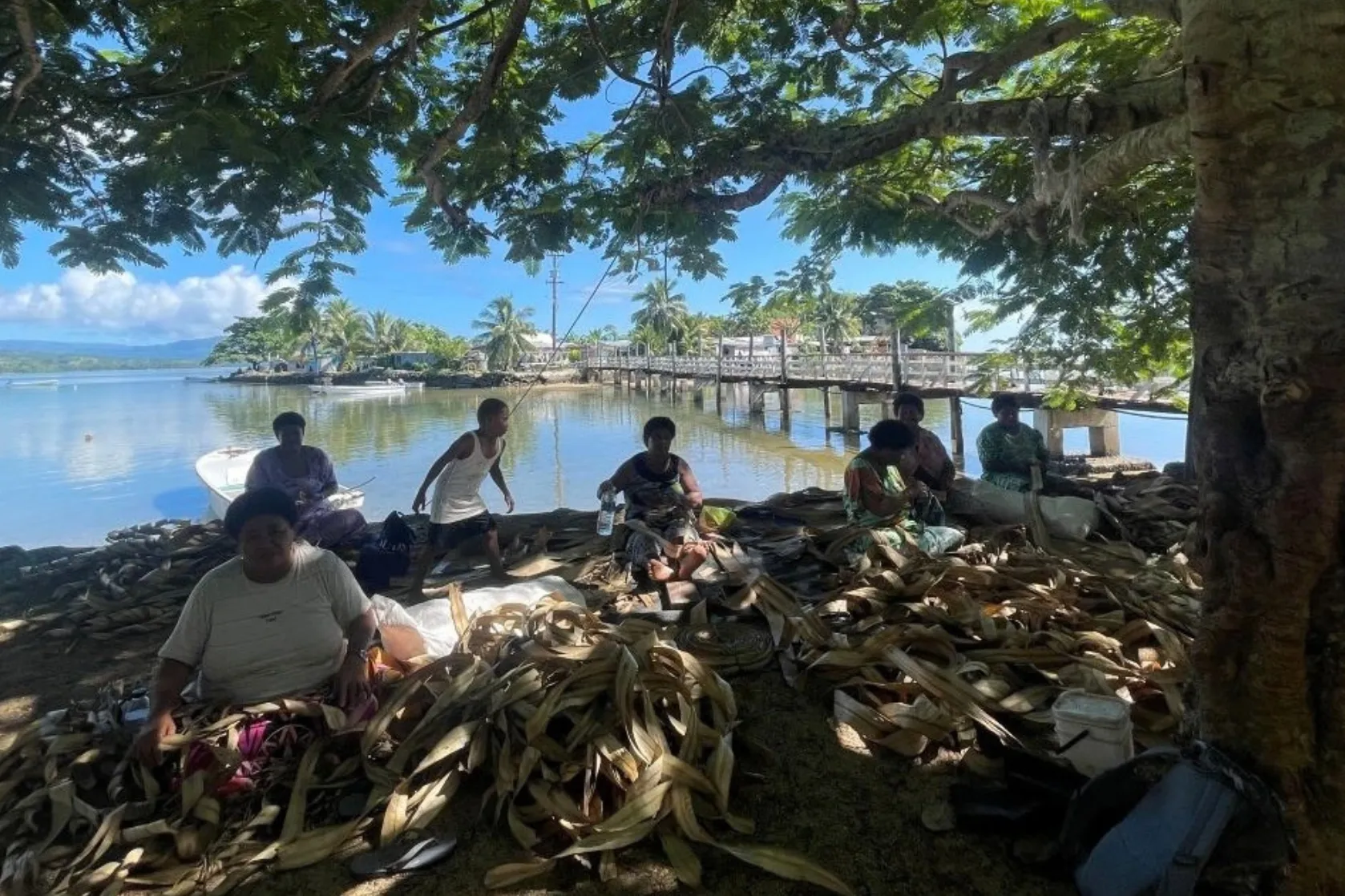
Migration is a human security issue that must be carefully planned and addressed with respect for the rights and voices of affected communities. Photo: TGN1/Flickr (CC-BY-NC-ND 2.0)
We must empower and care for communities facing the prospect of climate migration, writes Rev Dr Tioti Timon.
Pacific peoples have a deep attachment to place and a strong sense of belonging to their motherland. But our communities are being affected by increasingly frequent and intense climate-related disasters, and we face the possible loss of Pacific territories, particularly in low-lying atolls. People may be forced to leave their lands.
That said, migration is no simple fix. Its implications are considerably more nuanced than they seem. It can create political and security risks if it is treated only as an emergency response rather than as a planned and dignified process.
Migration is a human security issue that must be carefully planned and addressed with respect for the rights and voices of affected communities. When people move away from their islands, they may become disconnected from their language, traditions and customary ways of life.
At the same time, this sense of belonging is not static; it continually adapts in response to changing circumstances, particularly as Pacific peoples migrate today in greater numbers than in the past.
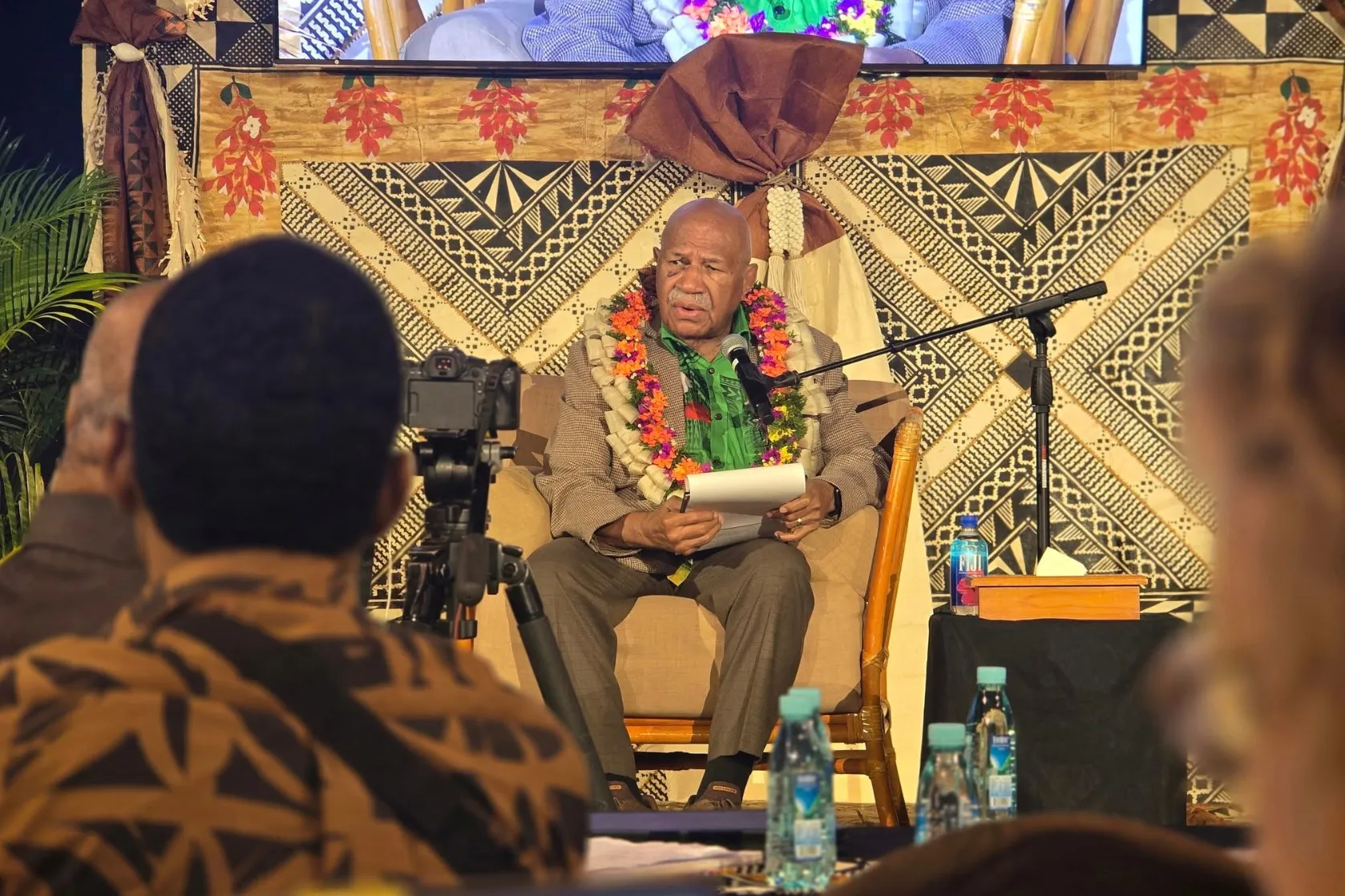
At the 2026 Pacific Peace and Security Dialogue, there was much discussion on how relocation must be guided by the principle of ‘migration with dignity’, which means giving people the opportunity to prepare, gain education and skills, access safe labour mobility pathways, and maintain their cultural identity and sense of belonging wherever they may live.
The Dialogue further reinforced that climate migration should be guided by a human rights-based approach, with the meaningful participation of civil society, local communities, families and individuals who are directly affected.
The discussion also highlighted the importance of Pacific ways of communication, such as talanoa or maroro in Kiribati, because they create respectful spaces for affected communities to share their experiences, express their fears and hopes, and contribute to decisions affecting their wellbeing, before they are implemented.
Pacific-led approaches such as talanoa and maroro reinforce migration with dignity by placing people at the heart of policy discussions, helping communities remain connected to who they are while adapting to new social, cultural and environmental realities. Although not everyone may be involved in formal decision-making, their voices, stories and lived experiences should be heard, considered and reflected in plans made for their movement and future wellbeing.
Through this process, migration planning can become more inclusive, transparent and culturally sensitive, ensuring that people are treated not only as recipients of policy but as active participants in shaping their own future.
Curbing inequality
Migration often requires financial resources, skills, education and access to reliable information and support networks. As a result, people with stronger financial capacity, higher levels of education, and overseas connections are usually in a better position to access migration pathways, employment opportunities and support services.
In contrast, families with limited income, fewer qualifications or no external networks may be left behind, even though they may be among those most affected by climate change and economic hardship. This can deepen discrimination and inequality between households and communities, as migration becomes more accessible to those who already have advantages.
For this reason, migration policies should give greater attention to the risks faced by migrants and ensure that vulnerable families are not excluded, but are supported through education, skills training, fair labour mobility programs, and clear information about their rights and responsibilities.
The challenges of internal migration
While international climate migration is often discussed more widely, internal migration from the outer islands to the capital should be treated as part of the same human security debate. Migration must be planned in a way that protects dignity, wellbeing and community stability, whether people move across national borders or within their own country.
Most capital cities of small island nations now accommodate 60 per cent or more of the national population, largely comprising people who have moved from outer islands in search of education, employment, health services and better opportunities.
These capitals often have very limited land and infrastructure. As more people settle there, pressure increases on housing, water, sanitation, schools, health services and public spaces. Overcrowding, together with a growing share of housing in informal and unplanned settlements, has become one of the major causes of household disputes, land-related conflict and environmental degradation.
This concern reflects the broader social changes associated with migration from traditional village, where wellbeing is closely linked to local ways of life, to a more urban and cash-based society in which life is expensive. This shift may contribute to the weakening of traditional social and political structures and demonstrates that internal migration is not only an economic or environmental issue, but also a cultural and social challenge.
Strengthening resilience
Migration cannot always be relied upon as a guaranteed escape or as a long-term development strategy. People from low-lying atolls may choose or be forced to migrate because of limited land, weak agricultural opportunities, food insecurity, and economic pressure.
While Pacific states continue to hold major emitters accountable for delivering climate finance as part of a broader commitment to climate justice, they cannot rely too heavily on foreign aid or migration opportunities as permanent solutions. Both forms of external support are inherently uncertain, as host countries may reduce aid or tighten immigration rules, especially during economic downturns.
Communities must also recognise that migration pathways can become restricted when destination countries become more competitive or less willing to accept migrants. This means that microstates need to strengthen local resilience rather than assuming that people can always move elsewhere.
According to elders in Kiribati, migration may provide short-term relief, such as employment opportunities or safety from environmental risks, but it is not a complete or secure long-term solution.
Therefore, communities should be empowered to strengthen their resilience, deepen their self-reliance, and reduce the pressures that force people to migrate, while preserving their enduring connection to their ancestral homeland.
Rev Dr Tioti Timon is a respected I-Kiribati theologian and church leader.
Views expressed via the Pacific Wayfinder blog are not necessarily those of the Pacific Security College. Read our publishing policy.